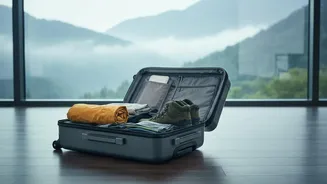







The Philosophy: Multi-Function Over 'Just in Case'
The first step to shedding weight is a mental shift. Ditch the 'just in case' mentality that leads to overpacking. Instead, every single item in your bag must earn its spot by serving multiple purposes. A sarong can be a towel, a skirt, or a scarf. A convertible
travel garment can be a dress, a top, or a tunic. This approach is the foundation of a minimalist travel wardrobe. Before you pack anything, ask yourself: Can this item be worn in different situations or serve more than one function? If the answer is no, it probably doesn't make the cut. The goal is to create a versatile capsule wardrobe from a few hardworking pieces.
Your Outer Shell: The Most Important Choice
Your rain jacket is the cornerstone of your wet-weather kit. Forget bulky, insulated coats. You need a lightweight, packable, and truly waterproof shell jacket. Look for jackets described as 'packable' or 'ultra-lightweight', often made from materials that offer excellent water and wind resistance without the weight. A good shell can pack down to the size of a small pouch, saving valuable space. This single layer will be your primary defense against downpours, and you'll rely on what's underneath it for warmth. When choosing, consider features like a windproof design, which adds protection against chilly gusts, making it suitable for various conditions.
The Art of Layering for Warmth
Layering is the secret to managing changing temperatures without bulky clothing. Instead of a heavy sweater, pack a lightweight fleece or a synthetic insulated vest. These mid-layers provide excellent warmth for their weight and can be easily added or removed as conditions change. For your base layers—the clothes against your skin—choose quick-drying fabrics like merino wool or synthetics. These materials wick moisture away from your body, keeping you dry and comfortable. Avoid cotton at all costs; it absorbs moisture, takes a long time to dry, and will leave you feeling cold and damp.
Bottoms, Footwear, and Smart Accessories
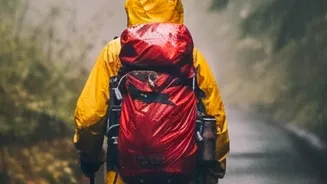
For trousers, select one or two pairs made from quick-drying, water-resistant material. Convertible pants that zip off into shorts can be a functional, if not glamorous, option. When it comes to shoes, which are often the heaviest items, limit yourself to two pairs. Wear your bulkiest pair—likely waterproof hiking shoes or boots—on the plane to save weight in your bag. The second pair should be lightweight and versatile, like packable flats or sandals. Don't forget waterproof socks, which can be a lifesaver if your shoes get soaked. Finally, a few small accessories make a big difference: a waterproof cover for your backpack and a few small dry bags to protect electronics and important documents are non-negotiable.
Putting It All Together: The Seven-Kilo Challenge
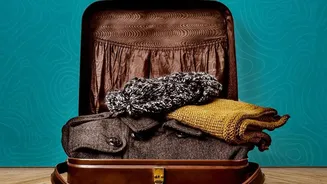
With your gear selected, the final step is packing it efficiently. Rolling your clothes tightly instead of folding them saves a surprising amount of space. Compression packing cubes are another excellent tool; they squeeze the air out of your clothes, significantly reducing their volume. Start with a lightweight backpack, as the bag itself can contribute significantly to your total weight. A 30-litre pack is often sufficient. Weigh your packed bag with a handheld digital luggage scale before you leave for the airport to avoid any surprises. If you are slightly over, see if you can move any small, heavy items like a power bank or chargers into your jacket pockets.