







More Than Just an Ingredient
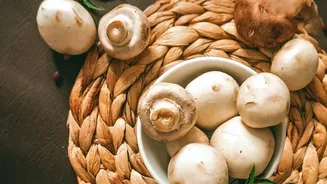
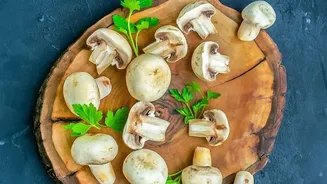
For years, the common button mushroom was the default choice in many kitchens. But a culinary shift is underway. Chefs and food lovers are rediscovering the immense potential of fungi, transforming them from a supporting role into the main star of a dish.
This isn't just about adding more mushrooms; it's about exploring a wider world of varieties, each with its own unique flavour and texture. From the meaty bite of a portobello to the delicate, seafood-like quality of lion's mane, mushrooms are proving their versatility. Their ability to absorb marinades and seasonings makes them incredibly adaptable across different cuisines, allowing cafés to offer complex, savoury dishes that appeal to a broad range of palates. This newfound appreciation is turning them into a cornerstone of innovative menu development.
A Boost for Health and Wellness
The mushroom boom is also being fuelled by a growing interest in health and wellness. Consumers are increasingly looking for foods that not only taste good but also offer nutritional benefits. Mushrooms are a natural fit, being low in calories and fat while providing essential nutrients like B vitamins, selenium, potassium, and vitamin D. In fact, they are one of the few non-animal sources of vitamin D, a crucial nutrient that many people lack. The trend extends to functional mushrooms like reishi, lion's mane, and cordyceps, which are celebrated for their potential to boost immunity, improve focus, and reduce stress. This has led to the rise of products like mushroom coffee and wellness elixirs in Indian cafés, catering to health-conscious customers looking for a natural energy and focus lift without the jitters of a traditional coffee.
The Rise of Gourmet Varieties
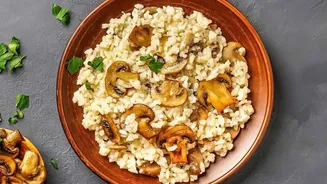
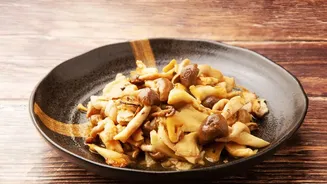
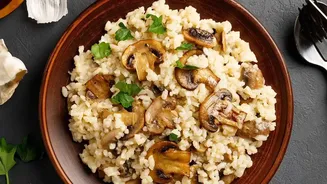
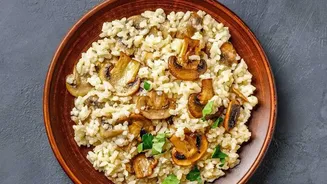
Indian cafés and restaurants are moving beyond the familiar button mushroom and embracing a more diverse range. Shiitake mushrooms, prized for their deep, earthy flavour, are appearing in everything from risottos to burgers. Oyster mushrooms, with their delicate texture, are being used in fried preparations that rival meat-based dishes. Portobellos are a vegetarian staple, their thick, dense texture making them an excellent meat substitute in burgers and sandwiches. And then there's the visually striking lion's mane, which is gaining attention for both its unique texture and its potential brain-health benefits. This exploration of different species allows chefs to play with a wider range of flavours and textures, creating more memorable and satisfying meals.
An Eco-Friendly Choice
In an era of increased environmental awareness, mushrooms stand out as a highly sustainable food source. Mushroom cultivation requires significantly less water, land, and energy compared to many other agricultural products and traditional proteins. For instance, up to a million pounds of mushrooms can be grown on just one acre of land annually because they are often grown in vertically stacked beds. The growing medium is typically composed of recycled agricultural materials, and after the harvest, this soil can be repurposed, further reducing waste. This small environmental footprint makes mushrooms an attractive ingredient for cafés and consumers who prioritise sustainability in their food choices.
From Coffee to 'Shroom Burgers
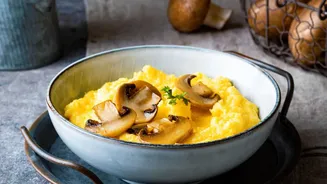
The creativity on display is impressive. Menus now feature everything from mushroom-based lattes to hearty entrées. Think creamy mushroom soups, savoury mushroom and spinach quesadillas, and rich, umami-packed pasta dishes. Some cafés are using thick-cut king trumpet mushrooms seared to mimic the texture of a scallop or blending mushrooms with meat in burgers to add flavour and moisture while reducing cost. You might find a mushroom patty melt, a vegetarian French dip made with savoury mushrooms, or even a 'mushroom steak' dinner roasted with potatoes and vegetables. This versatility allows a single, cost-effective ingredient to support multiple items across the menu, from breakfast to dinner.