


Why Dairy-Free Options Matter Now
Major dairy suppliers like Amul and Mother Dairy have increased milk prices multiple times, citing higher costs for cattle feed and transportation. These hikes, sometimes by ₹2 to ₹4 per litre, directly impact the monthly grocery bill for millions. For
a family consuming even one litre a day, this adds up quickly. This financial pressure, combined with growing awareness of lactose intolerance and vegan lifestyles, makes exploring dairy-free alternatives more relevant than ever. Not only are they often more budget-friendly, but they also open up a new world of flavours and textures for classic Indian dishes.
1. The Classic Creamer: Cashew Paste
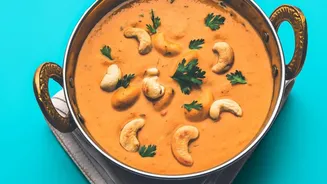
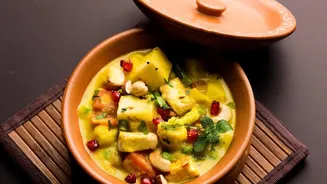
Cashew paste, or 'kaju' paste, is the undisputed king of dairy-free creaminess in Indian cooking, especially for rich North Indian and Mughlai dishes like kormas and 'butter' chicken. Its neutral, slightly sweet flavour and velvety texture mimic dairy cream beautifully. To make it, simply soak raw cashews in hot water for at least 30 minutes, or overnight for an even smoother paste. Drain the cashews and blend them with a little fresh water until you get a thick, silky paste. Adding this paste towards the end of the cooking process will thicken your gravy and give it a luxurious finish without overpowering the spices.
2. The Versatile Staple: Coconut Milk
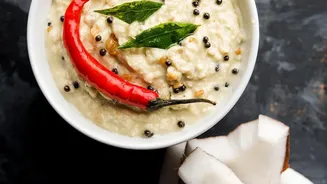
A cornerstone of South Indian, Goan, and Bengali cooking, coconut milk is a fantastic dairy-free creamer. Its subtle sweetness and distinct aroma pair wonderfully with both vegetable and meat curries. For the richest results, opt for full-fat coconut milk or even coconut cream. The thick cream that separates at the top of a can is perfect for finishing a dish, while the thinner milk can be used as the base liquid for the gravy. It's important to add coconut milk towards the end and simmer gently, as boiling it on high heat can cause it to split.
3. The Nutty Thickener: Almond Paste
Almond paste, or 'badam' paste, provides a delicate, nutty richness that is perfect for Mughlai dishes like Badami Murg. It offers a different flavour profile from cashews, with a more pronounced nuttiness. The process is similar: soak almonds in hot water, peel the skins, and then grind them into a fine paste with a small amount of water or milk alternative. Be mindful that almond paste can stick to the bottom of the pan, so it requires frequent stirring once added to the gravy. It not only thickens the curry but also adds significant nutritional value.
4. The Secret Ingredient: Poppy Seed Paste
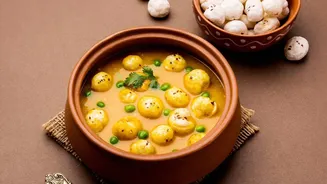
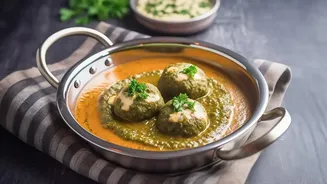
White poppy seeds, known as 'khus khus' or 'posto', are a traditional thickener used in many regional Indian cuisines, particularly in Bengal and Maharashtra. When soaked and ground into a paste, they lend a unique nutty flavour and a thick, creamy consistency to curries. The seeds are very hard, so they must be soaked in warm water for at least a couple of hours before grinding. The resulting paste can be used to create beautiful white gravies for koftas or vegetable dishes, offering a sophisticated creaminess without any dairy.
5. Beyond Nuts: Seeds and Plant-Based Yogurts
For those with nut allergies or looking for other options, a paste of sunflower or pumpkin seeds can also work wonders. They provide a similar creamy texture when soaked and blended. Another excellent alternative, especially as a replacement for 'dahi' in marinades and gravies, is plant-based yogurt. Soy or coconut-based yogurts are now more widely available and can add that signature tang and creaminess to dishes that traditionally rely on dairy curd. These options ensure that almost any curry can be adapted to be dairy-free and delicious.