






A Widespread Crackdown on Deception
The Food Safety and Standards Authority of India (FSSAI) has put the country's food industry on notice. In recent months, it has issued more than 150 notices for a range of violations, from misleading advertisements and false health claims to incorrect
labelling. The list of recipients reads like a who's who of the Indian kitchen, including giants like Nestle India, PepsiCo, Coca-Cola, Mondelez (maker of Cadbury), and Abbott India. The enforcement drive isn't limited to manufacturers; it also covers e-commerce platforms like Amazon and Flipkart, as well as popular fast-food chains such as McDonald's, Domino's, and KFC. Actions have been decisive, leading to product seizures, the cancellation of an Amazon warehouse license, and the suspension of five licenses for Domino's.
Which Claims Are Under Fire?
The regulator is targeting a variety of vague, exaggerated, and scientifically unsubstantiated claims that brands use to attract health-conscious consumers. A major point of contention is the use of absolute terms like "100% pure" or "100% natural". One of the most significant actions has been the directive against labelling reconstituted fruit juices as "100% fruit juice". FSSAI clarified that this claim is misleading when the product is primarily water mixed with fruit concentrate. Other phrases under scrutiny include undefined terms like "health drink," claims of boosting immunity or supporting heart health without specific, verifiable evidence, and comparative claims like a product having "10x the calcium of wheat".
Why This Matters for Your Grocery Basket
For years, shoppers have navigated a confusing landscape of food labels. A snack might be advertised as "baked, not fried" but still contain high levels of sodium and refined carbs. Edible oils are often marketed as "cholesterol-free," which is misleading because vegetable oils are naturally free of cholesterol. These marketing tactics create a false sense of healthiness, preventing consumers from making genuinely informed choices. The FSSAI's crackdown is a direct response to this growing problem, aiming to enforce the Food Safety and Standards (Advertising and Claims) Regulations, 2018, which prohibit such misleading practices. The goal is to ensure that what's written on the package accurately reflects what's inside it.
How to Be a Smarter Shopper
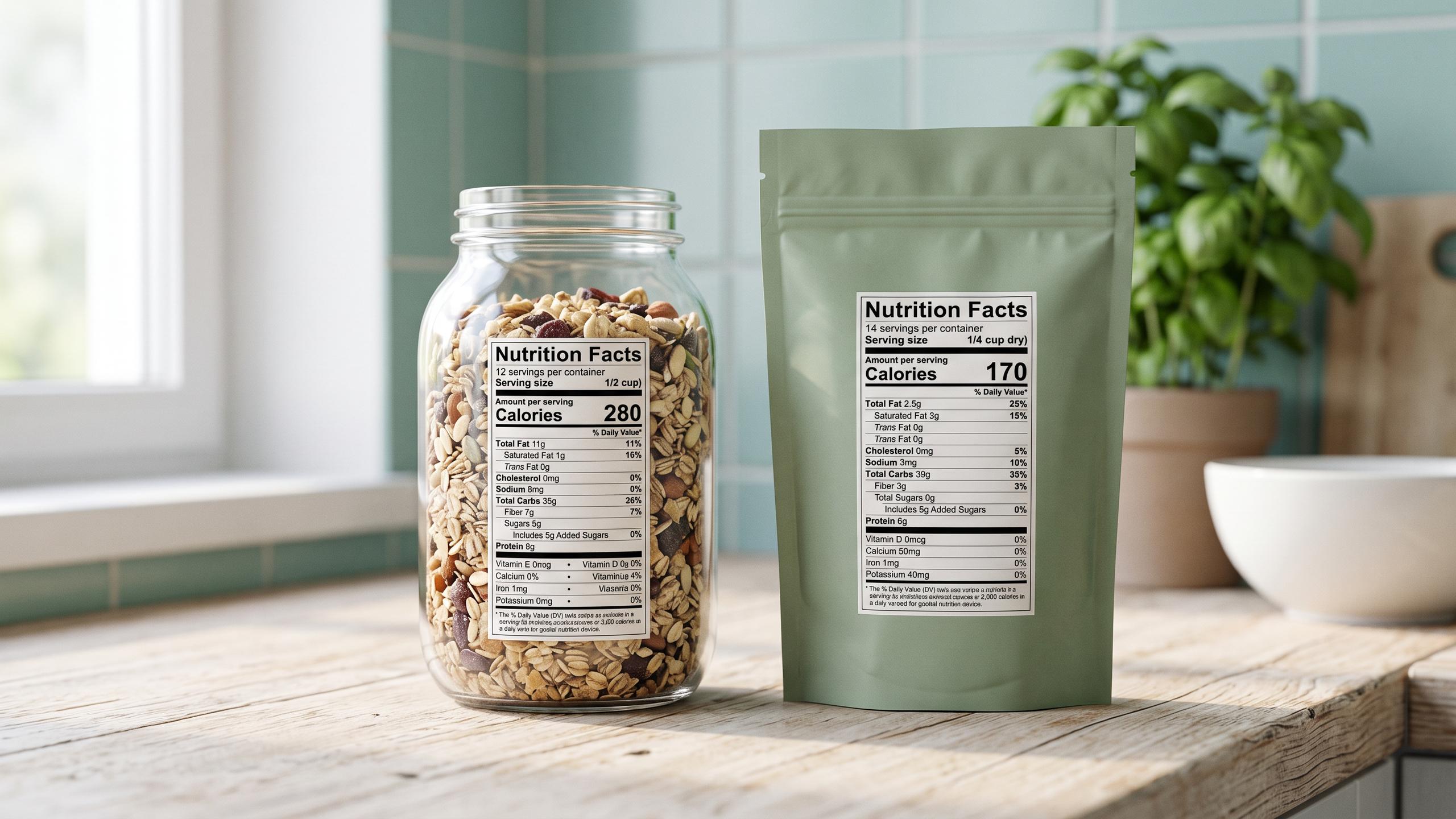
This regulatory push empowers consumers, but it also highlights the need for vigilance. Instead of being swayed by bold claims on the front of the pack, turn it over and read the fine print. Look at the ingredients list; if a juice says "reconstituted," it means it was made from concentrate and water. Check the nutritional information for the actual amounts of sugar, salt, and saturated fat. Be skeptical of absolute claims like "pure" or generic health benefits like "boosts immunity." Look for official certifications for claims like "organic" or "vegan," which require verification. The FSSAI's actions signal that regulators are paying attention, and so should consumers.
The Road Ahead for Food Brands
The impact of these notices is already visible. Several major companies have begun to withdraw misleading claims and revise their packaging. Mondelez, for instance, removed certain health claims from its products, and Amway has stopped using the "100% Pure" claim on its coconut oil. This signals a significant shift for the industry, which now faces stricter scrutiny and potential penalties, including fines and license cancellations for non-compliance. The message from the FSSAI is clear: marketing can no longer come at the expense of transparency. Brands will need to invest in clearer labelling and ensure all health and nutritional claims are scientifically substantiated to build and maintain consumer trust.