






What Happened on Flight AI2030?
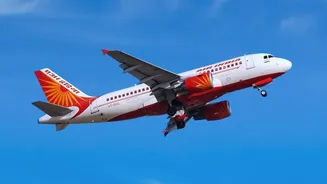
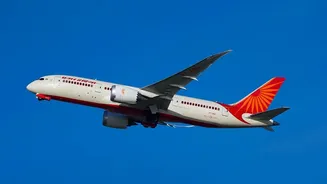
On Wednesday, October 14, everything seemed normal aboard Air India flight AI2030, a Boeing 787-9 carrying 293 passengers and 13 crew members from Frankfurt to Delhi. As the aircraft entered Indian airspace, however, a serious alert was triggered. Air traffic
controllers at the Mumbai centre reportedly saw a 'Squawk 7500' code associated with the flight—the international signal for a hijacking. Even though the flight crew quickly confirmed via radio that all was normal onboard, security protocols are absolute. As a mandatory precaution, the aircraft was ordered to divert, landing safely at Jaipur International Airport around 9:35 AM. There, it was moved to an isolation bay, and all passengers and baggage were subjected to security screenings before the flight was finally cleared to continue to Delhi hours later.
A 'Ghost' Signal in the Machine
The central mystery is where the hijack alert came from. The pilots reportedly deny having entered the 7500 code. This has turned the investigation towards the ground systems, specifically a newly installed air traffic control radar system in Mumbai. A 'radar glitch' in this context doesn't mean the plane vanished. Instead, it suggests the system may have misinterpreted or generated a false data point. Modern aviation relies on transponders, which are devices on planes that broadcast identity, altitude, and speed, creating the dots we see on flight tracking maps. A glitch could stem from the ground-based system reading this data incorrectly, or even a brief, erroneous transmission from the aircraft's equipment. Investigators from the Directorate General of Civil Aviation (DGCA) are now tasked with combing through the data and communication logs to find the source of the phantom signal.
Safety Systems Under Scrutiny
While alarming, the incident also shows that aviation's layered safety model worked. When a primary system—in this case, the data from the radar—becomes questionable, pilots and controllers revert to other methods. Direct voice communication between the cockpit and the ground ensured everyone knew the hijack alert was likely false, even as they followed emergency procedures. India, like other countries, has robust, documented procedures for communication failures and radar outages. If a radar system fails entirely, controllers are trained to switch to 'procedural separation', using time and distance calculations based on pilot reports to keep aircraft safely apart, a method that predates radar itself. The diversion to Jaipur was not a sign of panic, but of protocol being followed to the letter, prioritising safety above all else.
The Broader Questions for Indian Aviation
The incident was resolved without harm, but it raises important questions. As India's skies become more crowded, the reliance on flawless technology grows. The DGCA's investigation will be crucial. Civil Aviation Minister K Rammohan Naidu has stated that any decision on changing security norms will only come after the probe is complete. The focus will be on the reliability of the new ATC hardware and software. Such glitches, while rare, are not unheard of globally; a radar data issue in the UK once caused massive flight disruptions. The key is to understand why it happened and ensure it doesn't happen again. For passengers, it serves as a reminder that aviation safety is an ongoing process of investigation and improvement.