


Your Morning Intelligence Briefing
A successful monsoon commute begins before you even step out of the door. Instead of a quick glance outside, make a habit of a two-minute digital check-in. Start with a hyperlocal weather app. While global apps are popular, India-specific services like
the government's official 'Mausam' app or private players like Skymet Weather provide more tailored and accurate forecasts for the Indian subcontinent. These apps offer district-level warnings, radar imagery to track rain bands, and hourly predictions. Look for minute-by-minute precipitation forecasts, which can tell you if you have a clear window to leave. This initial weather check gives you the first piece of the puzzle: what to expect from the skies in the next few hours.
Layering Traffic Data for a Clearer Picture
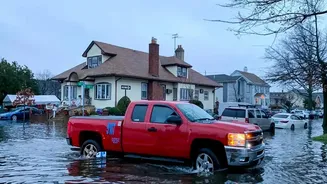
Once you know the weather, the next step is to understand how it's affecting the roads. This is where you layer in real-time traffic data. Open a navigation app like Google Maps, Waze, or the homegrown Mappls (formerly MapmyIndia). Don't just look at your primary route; compare two or three alternatives. These apps use crowdsourced data to show current traffic flow, but more importantly, they often flag major disruptions. Waze is particularly useful for its user-reported alerts on accidents, potholes hidden by water, and police activity. Mappls offers detailed, professionally mapped terrain and safety alerts for road hazards like waterlogging. By cross-referencing the weather forecast with live traffic conditions, you can make an informed decision: is your usual route clear, or is it worth taking a slightly longer but less congested alternative to avoid a known flood spot?
Choosing Your Mode and Staying Agile
Your morning briefing will also help you decide the best mode of transport for the day. If weather alerts are severe and traffic maps are showing extensive red lines, it might be the day to leave the car or two-wheeler behind and opt for the metro. If you must drive, the data helps you prepare. Knowing there's a downpour predicted for your return journey reminds you to check your vehicle's tyres and wipers before leaving. Your planning shouldn't stop once you're on the move. Keep your navigation app running with the volume on for audible alerts about changing conditions ahead. If you're on public transport, use dedicated city-specific apps (like Mumbai's m-Indicator or Delhi Metro's app) to check for delays or disruptions on your line. The key is to remain flexible and use the continuous stream of information to make small adjustments that can save you significant time and stress.
Beyond the Apps: Common-Sense Preparedness
Technology is a powerful tool, but it works best when combined with practical, old-school wisdom. Always allow for extra time during the monsoon; a journey that takes 30 minutes on a clear day can easily take an hour in the rain. Keep an emergency kit in your bag or vehicle, including a power bank to keep your essential apps running, a waterproof cover for your bag, and perhaps a dry towel. If possible, have a conversation with your workplace about flexible timings on days with exceptionally heavy rainfall. Communicating potential delays proactively is always better than explaining them after the fact. Finally, if a road is heavily waterlogged, don't risk driving through it. It’s always safer to wait for the water to recede or find an alternative route, even if it means a significant delay.