








Secure Your Yatra Permit Early
The first step for your pilgrimage is mandatory registration through the Shri Amarnathji Shrine Board (SASB). Registration can be completed online via the official SASB website or offline at designated bank branches. This process requires a valid Compulsory
Health Certificate (CHC), a government-issued photo ID, and passport-sized photographs. Be aware that there are age restrictions; pilgrims must generally be between 13 and 70 years old. Pregnant women beyond six weeks are not permitted to undertake the journey. Due to a daily quota of pilgrims allowed on each route, it is crucial to register well in advance as slots fill up quickly. After registration, you must also collect a mandatory RFID tracking card from designated centres in Jammu or Kashmir before starting your trek.
Prepare Your Body for High Altitude
The Amarnath Cave is situated at a high altitude of 3,888 metres (12,756 feet), where oxygen levels are significantly lower. Physical fitness is non-negotiable. Begin preparing at least a month in advance by incorporating daily walks of 4-5 kilometres. Practices like yoga and deep-breathing exercises can improve your body's oxygen efficiency. The most critical aspect of the Yatra is acclimatisation, or allowing your body to adjust to the altitude. Ascend slowly and listen to your body. Symptoms of Acute Mountain Sickness (AMS) include headaches, nausea, and dizziness. If you experience these, it is vital to descend to a lower altitude and seek medical attention immediately. Medical camps are available every few kilometres along the route.
Choose Your Route: Pahalgam or Baltal
There are two primary routes to the holy cave: the traditional Pahalgam route and the shorter Baltal route. The Pahalgam route is longer, spanning about 36-48 km, and typically takes 3-5 days to complete on foot. It is known for its scenic beauty and gradual ascent, making it a better option for first-timers, families, and those who wish to acclimatise more slowly. The Baltal route is much shorter, around 14-16 km, and can be completed in a single day. However, it is significantly steeper and more physically demanding, recommended for those with high fitness levels. Both routes offer helicopter services to Panjtarni, which is about 6 km from the cave, but these are subject to weather conditions and must be booked in advance.
Pack Smart and Light
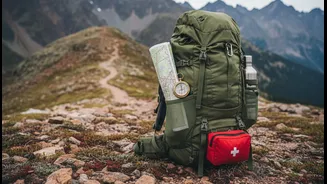
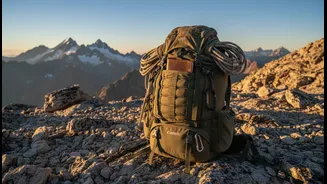
Packing correctly is crucial for a comfortable journey. The weather in the Himalayas is unpredictable, with temperatures sometimes dropping below 5°C. Dressing in layers is the most effective strategy. Your packing list should include thermal innerwear, a fleece jacket, and a waterproof and windproof outer layer. Sturdy, waterproof trekking shoes with good grip are essential; avoid wearing slippers or brand-new shoes. Other must-haves include woollen socks, gloves, a warm cap, sunscreen, and a small first-aid kit with your personal medications. Carry high-energy snacks like dry fruits and chocolates. Everything should be packed in a waterproof backpack to protect your belongings from sudden rain.
On the Trail: Safety and Etiquette
During the trek, always follow the guidelines issued by the authorities. Travel in a group and stay on the marked path; do not take shortcuts as they can be dangerous. Stay well-hydrated by drinking plenty of water, around 4-5 litres per day, but avoid alcohol and caffeinated beverages, which can cause dehydration. Consume high-carbohydrate foods to maintain energy levels. The Yatra area is a fragile ecosystem, so it is the responsibility of every pilgrim to keep it clean. Do not litter and avoid using plastics. Respect the spiritual sanctity of the journey by adhering to the rules, which include a ban on non-vegetarian food.