





A Purple-Stained Welcome
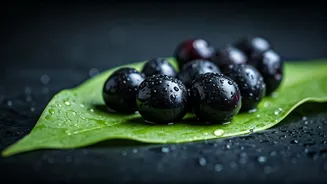
There are few sights more quintessentially monsoon than the neighbourhood fruit vendor’s cart piled high with glistening, almost-black Jamuns. Known as the Indian blackberry, black plum, or Java plum, this humble fruit (Syzygium cumini) announces its
arrival with the dark clouds. Its appearance is a sensory event. The first bite is an explosion of flavours—a complex dance of sweet, mildly sour, and a uniquely astringent finish that makes your mouth pucker in the most delightful way. This isn't a simple, one-note sweetness; it’s a taste that feels ancient and wild. For generations of Indians, the Jamun is inextricably linked to childhood. It evokes memories of climbing trees, buying cones of the fruit sprinkled with black salt from a street vendor, and proudly comparing purple-stained tongues with friends. This shared nostalgia is a powerful part of its stardom. It’s not just a fruit; it’s a time machine, transporting us back to simpler, rain-drenched afternoons. Its colour, a deep and royal purple, is so iconic that it has a shade named after it, instantly recognisable to millions.
The Unsung Health Hero
Beyond its nostalgic pull, the Jamun is a nutritional powerhouse, making it a star with substance. Low in calories but rich in essential nutrients, it’s the kind of seasonal indulgence you can feel good about. It's an excellent source of Vitamin C and iron, which can help boost immunity and improve haemoglobin levels—particularly beneficial during a season known for health challenges. The fruit is also loaded with antioxidants, such as anthocyanins, which are responsible for its deep purple colour. These compounds help fight free radicals in the body, protecting cells from damage and reducing inflammation. Perhaps its most famous traditional use is in managing blood sugar levels. Compounds in Jamun, particularly in its seeds, are believed to have properties that may help in the management of diabetes. While modern medicine is still studying its full effects, extracts from the fruit and its seeds have been shown to have a positive impact on blood glucose. This has cemented its reputation in traditional wellness circles as a 'diabetic-friendly' fruit. However, it's a partner to a healthy lifestyle, not a replacement for medical advice.
A Legacy of Wellness
The Jamun's role as a health icon isn't a new trend; it’s deeply rooted in Ayurveda and other traditional Indian medicine systems. For centuries, almost every part of the Jamun tree has been used for its medicinal properties. The bark is used for its astringent qualities, the leaves are used in remedies for digestive issues, and the seeds—often dried and powdered—are a well-known traditional remedy for controlling diabetes. This holistic use underscores the deep respect the culture has for the plant. The Jamun isn’t just a seasonal snack; it’s a mobile pharmacy, a testament to the wisdom of eating seasonally and locally, where nature provides exactly what the body needs for the changing environment.
Beyond the Fruit Bowl
While eating a bowl of fresh Jamun with a sprinkle of salt is a classic pleasure, the fruit’s star power extends into the kitchen, where it proves to be a surprisingly versatile ingredient. Its unique flavour profile lends itself to both sweet and savoury creations. The most popular modern adaptation is the vibrant Jamun 'shot,' a tangy, chilled pulp drink that’s a party favourite. Creative chefs and home cooks are now using it to make everything from kulfi, ice cream, and sorbet to cheesecakes and panna cotta. On the savoury side, its astringency can cut through richness, making it a wonderful addition to salads with a light vinaigrette. Jamun chutney or a tart Jamun sauce can be a brilliant accompaniment to grilled meats or paneer, offering a uniquely Indian alternative to cranberry sauce. This culinary flexibility ensures that the Jamun remains relevant, exciting the palates of a new generation while honouring its traditional roots.