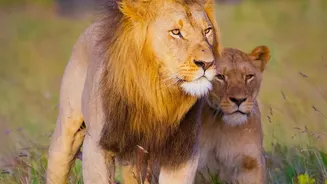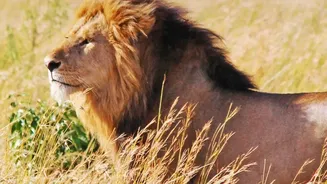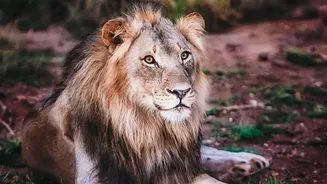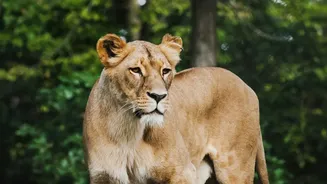






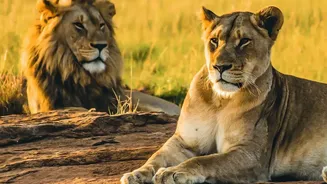
Why Do Lions Need a Second Home?
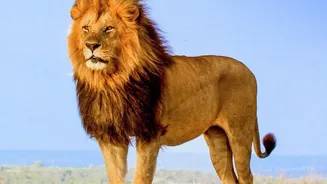
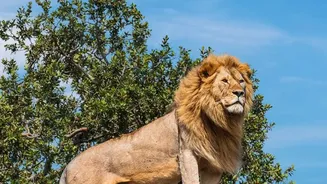
The story of the Asiatic lion is a remarkable conservation success. From a population teetering on the brink of extinction, their numbers have grown to over 670, according to a 2020 count. However, this entire population is concentrated in the Gir landscape
in Saurashtra, Gujarat. This puts the lions at extreme risk. A single, catastrophic event like a disease outbreak or a natural disaster could wipe out the species in the wild. In 2018, an outbreak of canine distemper virus led to the deaths of several lions, highlighting this very vulnerability. Establishing a geographically separate, second population is therefore not just a good idea, but a critical insurance policy for the long-term survival of the species. For years, experts and even a Supreme Court ruling in 2013 pointed to Kuno National Park in Madhya Pradesh, but the translocation from Gujarat never materialised. This has kept the focus on finding a suitable location within Gujarat itself.
Enter Barda Wildlife Sanctuary
Located about 100 kilometres from Gir, the Barda Wildlife Sanctuary has long been considered a potential second home for lions. The area, which spans about 192 square kilometres, was historically part of the lions' range until they disappeared from the region around 144 years ago. The habitat and vegetation in Barda share similarities with Gir, featuring dry deciduous forests, scrubland, and grasslands. The idea isn't new; a 'Gir-Barda Project' was initiated by the state government way back in 1979 to prepare the ground. The conversation gained new momentum in January 2023 when a young male lion naturally dispersed from Gir and walked all the way to Barda on its own, signaling that the ancient corridor between these two forests still exists.
What the Latest Research Says
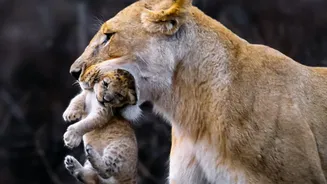
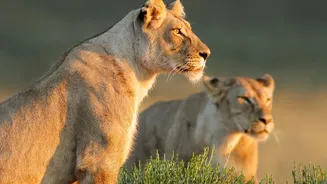
A recent study, published in the scientific journal 'PLOS One' in September 2026, provides the most detailed assessment to date. Researchers from the Gujarat Forest Department and Banda University of Agriculture and Technology radio-collared one male and five female lions in Barda to track their movements, social structure, and diet between January 2023 and July 2025. The findings are promising. The study concluded that Barda provides a suitable habitat and resources to support a long-term lion population. The lions established home ranges, with the collared animals using an average area of about 70 square kilometres. They showed a preference for mixed forests and grasslands within the sanctuary, indicating they are adapting well to the environment. As of October 2026, the sanctuary is already home to a small but growing population of 17 lions, including 11 cubs born within Barda.
The Challenge of Building a Prey Base
While the habitat is suitable, a major challenge is ensuring there is enough food for the lions. The recent study noted that the wild prey base in Barda is currently low and heavily skewed towards wild pigs, which made up over half of the lions' diet. Lions also preyed on domestic cattle, accounting for about 17% of their food, which raises concerns about potential human-wildlife conflict. To address this, authorities have been actively working to increase the prey population. Since 2007, there have been efforts to breed and release herbivores like spotted deer (chital) and sambar. In 2025-2026 alone, 441 chitals were translocated from Gir to Barda to bolster the prey population and create a more sustainable food source for the growing number of lions. The success of these augmentation efforts is critical for Barda to function as a self-sustaining lion habitat.
What Happens Next?
The research confirms Barda's potential, but it also underscores that significant work remains. The study itself calls its conclusions preliminary, based on a small number of lions over a short period. Proactive management will be key. This includes continued habitat restoration, improving the prey base, and implementing strategies to mitigate human-lion conflict, especially as the lion population grows and potentially disperses into surrounding areas. The government has designated Barda as a 'Satellite Population' under the national 'Project Lion' conservation program, signaling a firm commitment. Ecotourism initiatives have also been launched, aiming to provide livelihoods for local communities and build support for conservation. While Barda may not be able to hold a very large population—an older 2014 report estimated a capacity of around 26-35 lions—it can serve as a vital 'population buffer' and a second stronghold, reducing the risks associated with having all of India's lions in one basket.