





The City’s Glistening Canvas
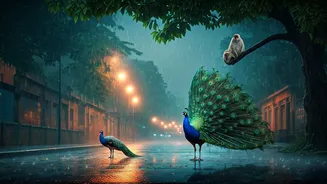
After weeks of searing heat, the arrival of the monsoon is a multi-sensory experience in India. The smell of petrichor, the taste of fried pakoras, the cool breeze—it’s a collective sigh of relief. But amid these beloved cliches lies a visual spectacle
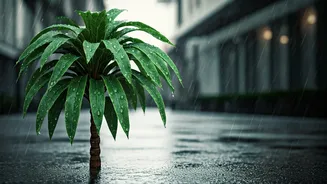
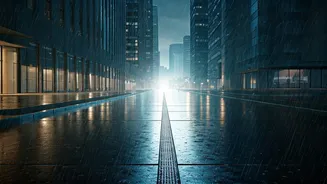
that often goes unnoticed. As rain darkens the roads, it smooths their rough, porous surfaces into glossy, reflective sheets. Suddenly, the mundane street outside your window becomes a canvas. The gnarled branches of a Gulmohar or the dense canopy of a Banyan tree are no longer just above you; they are also below, their forms smeared into painterly strokes on the wet ground. The harsh afternoon sun is replaced by the soft, diffused light of an overcast day, which, when reflected, turns the street into a moody, watercolour painting.
An Accidental Impressionist Painting
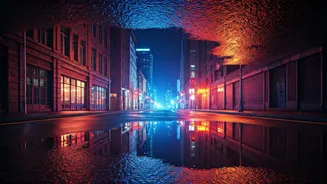
This fleeting beauty has a name in the art world: Impressionism. Artists like Claude Monet were obsessed with capturing the transient effects of light and reflection on water. They used short, quick brushstrokes to depict the 'impression' of a scene rather than its precise details. A rain-slicked street does exactly this. It breaks down the world into abstract shapes and colours. The sharp edges of buildings soften, and the bright, garish city lights bleed into long, shimmering trails of red, gold, and green. It forces the eye to appreciate form and light over literal interpretation. The reflection is not a perfect copy, but a distorted, more romantic version of reality—a dreamlike vision of the city we inhabit every day.
The Gentle Science of the Shimmer
There is a simple science behind this magic. A dry, rough street causes what is known as diffuse reflection—light scatters in all directions, which is why you can’t see a clear image. But when a layer of water fills in the tiny crevices of the asphalt, it creates a smooth, mirror-like surface. This leads to specular reflection, where light bounces off at a predictable angle, creating a clear, albeit upside-down, image of the world above. The rain effectively turns the entire street into a giant, imperfect mirror. The ripples from passing cars or falling raindrops only add to the effect, distorting the reflections and making them dance, further enhancing the painterly quality of the scene.
The Rise of the ‘Puddlegram’
You are not alone in seeing the beauty here. Photographers, both professional and amateur, have long been chasing these moments. The term 'puddlegram' has become a popular tag on social media, where people share stunning photos of reflections captured in puddles. The trick, as many photographers will tell you, is to get low. By bringing your camera or phone lens close to the water's surface, even a small puddle can be made to look like a vast, reflective lake, perfectly mirroring the sky, trees, and buildings. It’s a powerful reminder that a change in perspective can transform an ordinary scene into something extraordinary. The next time it rains, your smartphone is all you need to become an urban artist.
A Moment of Monsoon Mindfulness
In our fast-paced urban lives, we are often rushing from one point to another, heads down to avoid the rain, eyes fixed on our destinations. We see the monsoon rains as an inconvenience—a cause of traffic jams and flooded streets. But the beauty of the wet road offers a different perspective. It invites us to pause, to look at our surroundings with fresh eyes, and to find a moment of peace and wonder in the middle of chaos. Appreciating these accidental moodboards is a form of mindfulness. It’s an act of noticing the small, fleeting pockets of beauty that our environment offers us, free of charge. It’s a reminder that even on the greyest of days, there is colour, light, and art to be found right at our feet.