








What is the New Rule?
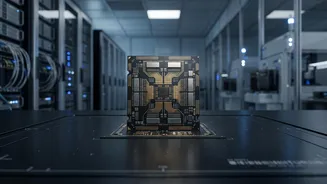
The US Department of Commerce has issued an interim final rule that tightens restrictions on advanced artificial intelligence (AI) chips. The core of the new regulation is to prevent companies in restricted nations, primarily China, from bypassing existing
export bans by accessing high-performance chips remotely. This was a significant loophole; previously, a company unable to buy a chip directly could simply rent computing time on that same type of chip housed in a data center in a third country. The new rule requires a license to export, reexport, or transfer advanced AI chips to any data center in the world if there is knowledge that it will supply significant computing power to companies headquartered in China, Macau, Russia, Iran, and other designated countries. This fundamentally shifts the focus of control from the physical shipment of a chip to who is ultimately using its processing power.
Why Target Remote Access Now?
The rule was created to close a glaring loophole that undermined existing export controls. US officials recognized that technological advancements in cloud computing made it increasingly easy to access American computing capabilities from anywhere. While the US had banned the direct sale of its most advanced AI chips to China since 2022, Chinese firms were reportedly renting capacity from data centers in other countries to train their AI models. This remote access was not clearly covered under previous export regulations. The new measure is a direct response to this circumvention strategy, ensuring that restrictions on sensitive American technology cannot be sidestepped through remote computing arrangements.
Who is Directly Affected?
The primary targets are companies headquartered in China and other restricted nations (like Russia and Iran) that seek to develop advanced AI. However, the ripple effects are widespread. The rule places a significant compliance burden on data center operators and cloud providers globally, including giants like Amazon Web Services, Google Cloud, and Microsoft Azure. These companies will now be required to perform robust due diligence on their customers to ensure they are not providing access to restricted entities or their parent companies. Furthermore, the rule adds new licensing requirements for exporting advanced chips to several countries identified as having a 'higher-than-normal risk of diversion', including Singapore, Malaysia, Indonesia, Thailand, and Brazil. This means chipmakers like Nvidia and AMD face new hurdles in their international sales and supply chains.
The Broader Geopolitical Picture
This rule is the latest move in a broader US strategy to slow China's technological and military advancement by controlling key 'choke points' in the semiconductor supply chain. Washington is concerned that advanced AI capabilities could be used for military applications, intelligence gathering, and developing bioweapons, posing a national security threat. The timing of the announcement on November 16, 2026, also has political context, coming ahead of a meeting between the US and Chinese presidents and amid scrutiny of the Commerce Department's enforcement of existing controls. China has condemned the measures as overreach and has indicated it will take necessary retaliatory actions. This escalates the tech rivalry, pushing the world further toward a fragmented technology ecosystem.
What are the Implications for India?
While India is not on the list of countries requiring new licenses, the rule has significant implications for its burgeoning tech and data center industry. Indian firms that use or operate data centers with advanced US chips will need to be vigilant about their client base to ensure compliance, as the rules apply globally to data centers serving restricted entities. This could increase compliance costs and regulatory scrutiny. On the other hand, the increased restrictions on Southeast Asian data center hubs like Singapore and Malaysia might create opportunities for India. As the global tech supply chain continues to realign in response to US-China tensions, countries with robust regulatory frameworks and strong compliance records may be seen as more attractive destinations for AI investment and data center construction.