

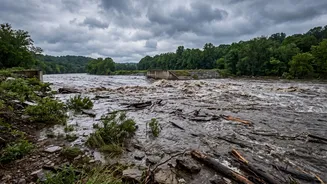
A Catastrophe on the Roof of the World
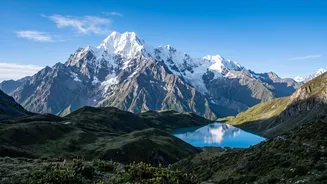
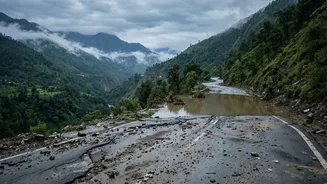
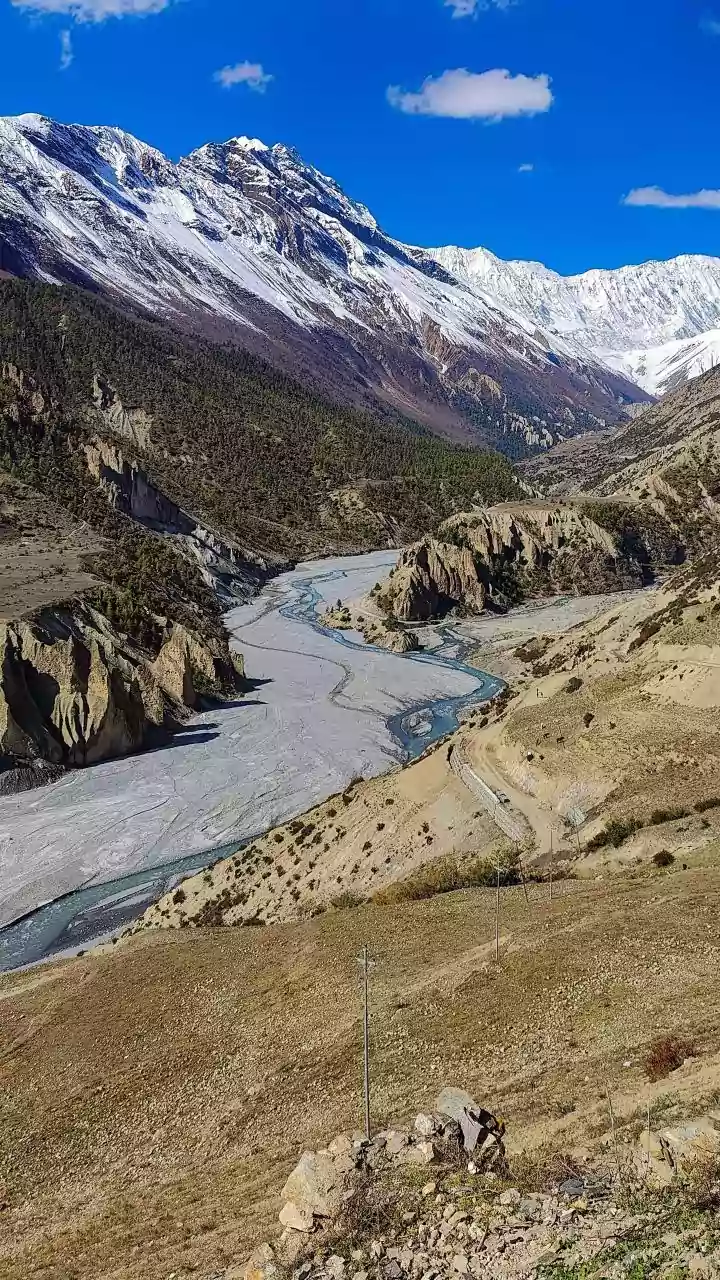
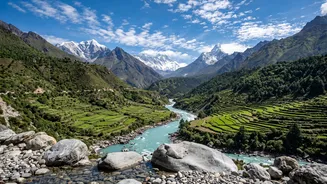
On August 26, 2026, a catastrophic flash flood tore through the Bhote Koshi and Trishuli river corridors in northern Nepal, affecting districts popular with trekkers and pilgrims, such as Rasuwa. Believed to have been triggered by a massive collapse of
ice and rock near the border with Tibet, the disaster unleashed a torrent of water, mud, and debris that destroyed villages, bridges, and critical infrastructure. Hundreds were killed or remain missing, including foreign tourists, with rescue operations hampered by the extensive damage. The event occurred during the monsoon season, a period already known for heightened risks of landslides and flooding. This tragic incident highlights the volatile and unpredictable nature of the high mountains, where conditions can change in an instant.
Heed the Experts: The Role of Official Guidance
Nepalese authorities and tourism bodies like the Nepal Tourism Board regularly issue advisories, especially during high-risk seasons like the monsoon (mid-June to early September). These warnings are based on weather forecasts, on-the-ground reports, and an intimate understanding of the local environment. Advisories may caution against trekking on certain routes due to landslide risk, swollen rivers, or impassable trails. The recent disaster is a grim confirmation of what can happen when conditions overwhelm even established routes. Following official guidance—whether it's a warning to avoid a specific valley or a general alert about heavy rainfall—is the first and most crucial step in ensuring your safety. Always check with reputable local sources before and during your trek.
Your Guide Is Your Lifeline
As of April 2023, Nepal made it mandatory for foreign trekkers on most routes to hire a licensed local guide. This rule was implemented specifically to enhance trekker safety. A licensed guide is more than a navigator; they are a vital source of real-time safety information. They can interpret weather patterns, assess trail conditions, and make critical decisions to turn back or alter a route when danger arises. They understand the subtle signs of impending hazards, from the sound of a distant rockfall to the stability of a rain-soaked slope. While an online forecast provides data, a guide provides judgment rooted in years of experience. Trusting their expertise is non-negotiable.
Understand the Risks You Accept
Trekking in the Himalayas always carries inherent risks, including altitude sickness, unpredictable weather, and natural disasters like avalanches and landslides. Monsoon season significantly amplifies some of these dangers, particularly slippery trails and landslides. It's crucial for every traveller to understand that they are entering a powerful, dynamic environment. Preparation is key. This includes being in good physical condition, carrying appropriate gear for wet and cold weather, and having a flexible itinerary that allows for unexpected delays. Most importantly, it requires a mindset of respect for the mountain and a willingness to prioritize safety over summit fever. No itinerary is more important than your life.
Insurance and Emergency Preparedness
Before setting foot on a trail, ensure you have comprehensive travel insurance that specifically covers high-altitude trekking and, critically, helicopter evacuation. Medical treatment and emergency response in remote mountain areas are limited and expensive. In an emergency, a helicopter might be your only way out, and the costs can be astronomical without proper coverage. Always provide a detailed copy of your itinerary and insurance policy to your trekking agency and family members back home. Registering your trip with your embassy can also provide an additional layer of security.