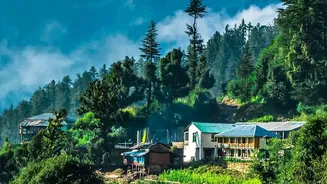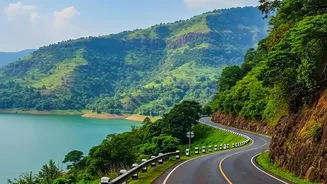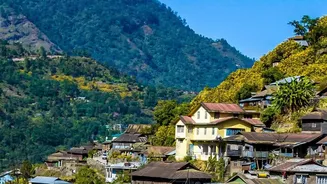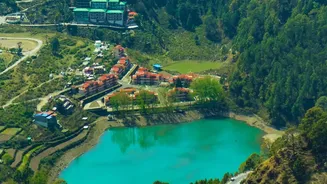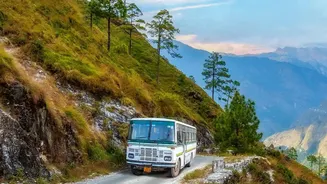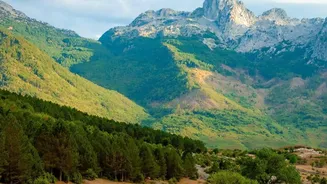



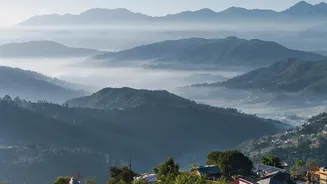
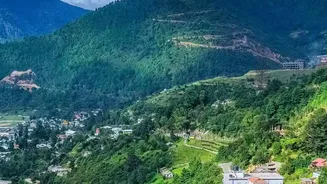
Sikkim’s majestic peaks and serene valleys are a dream for many travellers. But what if you could experience this Himalayan paradise with fewer crowds and for a fraction of the cost? The secret lies in timing your visit perfectly.
Understanding Sikkim’s Travel Seasons
Like many popular destinations,
Sikkim has distinct travel seasons that dictate crowd levels and prices. The peak tourist seasons are spring (March to May) and autumn (October to November). During these months, the weather is at its most pleasant, with clear skies perfect for mountain views and blooming rhododendrons in the spring. Consequently, this is when hotels and transport services see a surge in demand, with prices often increasing by 30-50%. The monsoon season (June to September) is the low season due to heavy rains and the risk of landslides, which can make travel difficult, especially to North Sikkim. Between these high and low periods lie the 'shoulder months'—the sweet spot for savvy travellers.
The Shoulder Month Advantage: Better Value, Fewer Crowds
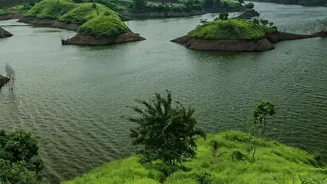
The shoulder months are the transitional periods right before and after the peak season. For Sikkim, these are typically late February to March and late November to mid-December. Travelling during this window offers the best of both worlds. The primary advantage is economic; accommodation rates can be 20-35% lower than in peak times. With fewer tourists, you can enjoy popular sights like Tsomgo Lake, Pelling's viewpoints, and Gangtok's bustling MG Marg without the usual rush. This translates to a more peaceful and immersive experience, allowing you to connect more deeply with the serene nature and culture of Sikkim.
The Spring Shoulder: Late February & March
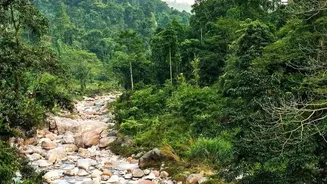
Visiting Sikkim as winter recedes offers a unique charm. In late February and March, the weather is still crisp and cool, but the days become progressively sunnier and more pleasant for sightseeing. While North Sikkim may still be very cold, lower altitude destinations like Gangtok, Pelling, and Namchi are comfortable. This period is excellent for clear mountain views as the winter air is often sharp and haze-free. It's also when the first rhododendrons begin to bloom in lower-altitude forests, like those in West Sikkim around Barsey, offering a preview of the main spring bloom without the peak season crowds.
The Autumn Shoulder: Late November & Mid-December
The period after the main autumn rush but before the deep freeze of winter is another golden window. Late November and early December continue to offer the crystal-clear skies that autumn is famous for, providing spectacular, unobstructed views of the Kanchenjunga range. The post-monsoon freshness is still in the air, and temperatures, while getting colder, are manageable with warm layers. Popular spots are significantly quieter, and you can find great deals on hotels that were fully booked just weeks earlier. This is an ideal time for photography, cultural tours, and enjoying the tranquil atmosphere of monasteries without interruption. It is also the time when cherry blossoms can be seen in some parts.
Where to Go: Nature Spots on a Shoulder Season Budget
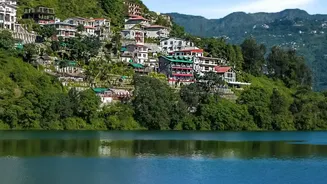
The lower costs during shoulder months make exploring Sikkim's famed nature spots more accessible. In West Sikkim, Pelling offers iconic views of Kanchenjunga, and with fewer tourists, you can peacefully explore Pemayangtse Monastery and the Rabdentse Ruins. Yuksom, the historic first capital and the gateway for major treks, is also quieter. In South Sikkim, the serene Temi Tea Garden and the giant Buddha statue at Ravangla are perfect for a relaxed trip. Even around the capital, Gangtok, you can enjoy day trips to places like Hanuman Tok for mountain views or visit Rumtek Monastery with more ease. Since you're saving on accommodation, you might have more budget for experiences like hiring a dedicated vehicle for a day or indulging in local cuisine.
Practical Tips for Shoulder Season Travel
While shoulder season travel is rewarding, a little planning goes a long way. The weather can be unpredictable, so packing in layers is crucial. Include warm jackets, thermals, and comfortable walking shoes. While major roads are generally open, always check the latest conditions, especially if you plan to visit higher altitude areas. Some high-altitude passes might have restricted access in early spring or late autumn due to snow. Finally, even though it's not peak season, it’s always wise to book your accommodation and transport, particularly for specific permits, in advance to ensure a smooth and stress-free journey.