






The End of an Era for the ISS
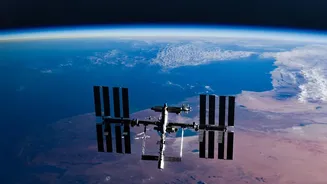
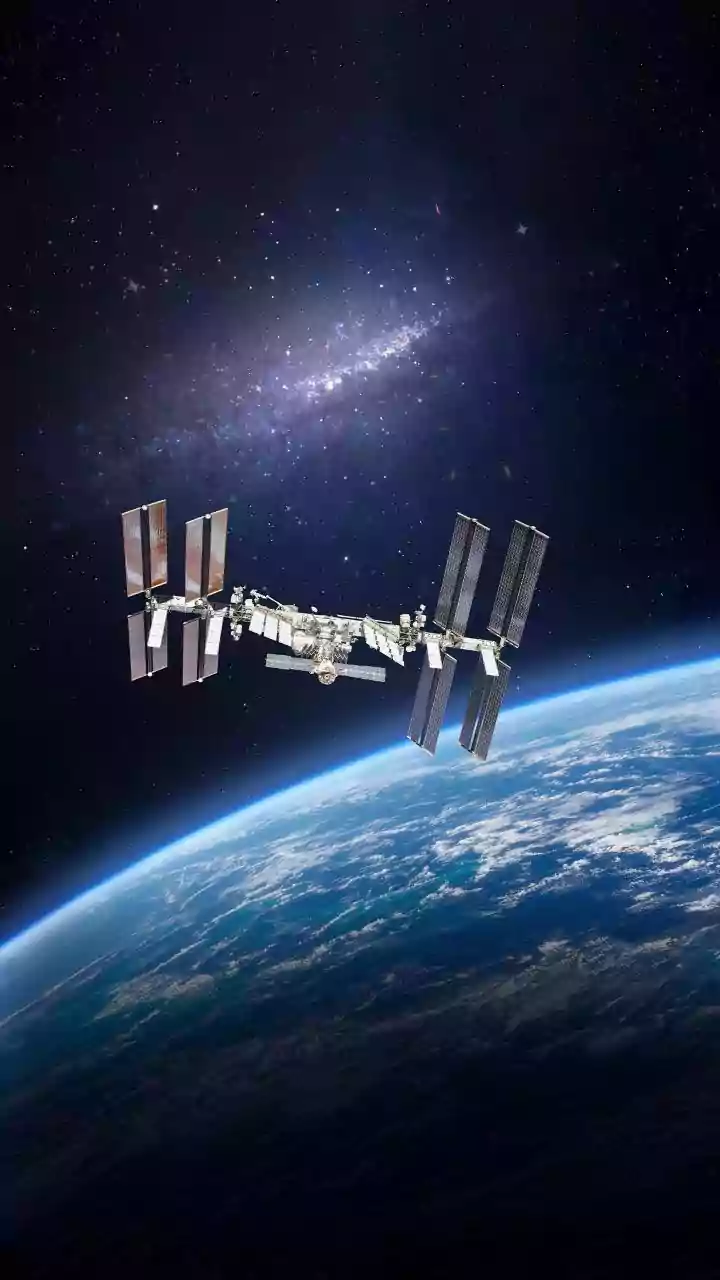
The International Space Station stands as one of history's greatest feats of engineering and international cooperation. Since 2000, it has been continuously occupied, hosting nearly 300 astronauts and over 3,000 research experiments. But after three decades
in the harsh environment of space, the station is aging. Facing rising maintenance costs and structural fatigue, NASA and its international partners have scheduled its decommissioning for the early 2030s. The plan involves a controlled deorbit, guiding the massive structure to a remote area of the Pacific Ocean known as Point Nemo, the designated graveyard for old spacecraft. This retirement leaves a critical gap: without a replacement, human access to low-Earth orbit (LEO) for research and exploration would cease.
NASA's Shift from Owner to Customer
Instead of building a multi-billion-dollar successor, NASA is pivoting its strategy. Through the Commercial LEO Destinations (CLD) program, the agency is fostering a new commercial space economy. Rather than owning and operating the next generation of space stations, NASA plans to be just one of many customers, buying services and leasing space from privately-owned platforms. This model follows the successful public-private partnerships used for the Commercial Crew and Cargo programs, which enabled companies like SpaceX to transport astronauts and supplies to the ISS, saving taxpayer money and spurring innovation. NASA's goal is to ensure there is no gap in U.S. presence in LEO while simultaneously handing the keys to private industry.
Meet the New Builders of the Cosmos
A handful of ambitious companies are racing to build these new orbital outposts. Axiom Space is already constructing its station, with the first module planned to attach to the ISS for testing in 2027 before separating to become a free-flying platform. Another major player is Blue Origin, which, in partnership with Sierra Space, is developing Orbital Reef, envisioned as a "mixed-use business park" in space for commerce, research, and tourism. Other key ventures include Starlab, a joint project from Voyager Space and Airbus, which is developing a station with a large inflatable habitat module, and Vast, which aims to launch its smaller Haven-1 station as soon as early 2027.
The Business Case for Orbit
These private stations aren't just for government astronauts. Their business models rely on creating a diverse ecosystem of customers. Potential markets include sovereign astronaut programs for countries without their own space agencies, in-space manufacturing of unique materials like fiber optics or pharmaceuticals in microgravity, and cutting-edge scientific research for universities and private firms. Space tourism, while still a niche market, is also a projected revenue stream, offering wealthy adventurers a stay in an orbital habitat. By serving multiple clients, these companies aim to lower the cost of access to space for everyone.
What Makes a Space Habitat 'Sustainable'?
The term "sustainable" in this context has two primary meanings. First, and most critically, these habitats must be economically sustainable. They are designed to operate as commercial businesses, generating revenue to cover their costs without relying solely on government funding. Second, sustainability refers to their operational design. Newer technologies allow for more efficient power systems, advanced life support that recycles air and water more effectively, and modular construction that allows for easier upgrades and maintenance. By building from scratch with modern technology, private companies can create more resource-efficient and longer-lasting platforms than the decades-old ISS.