






Why Humidity Is the Enemy
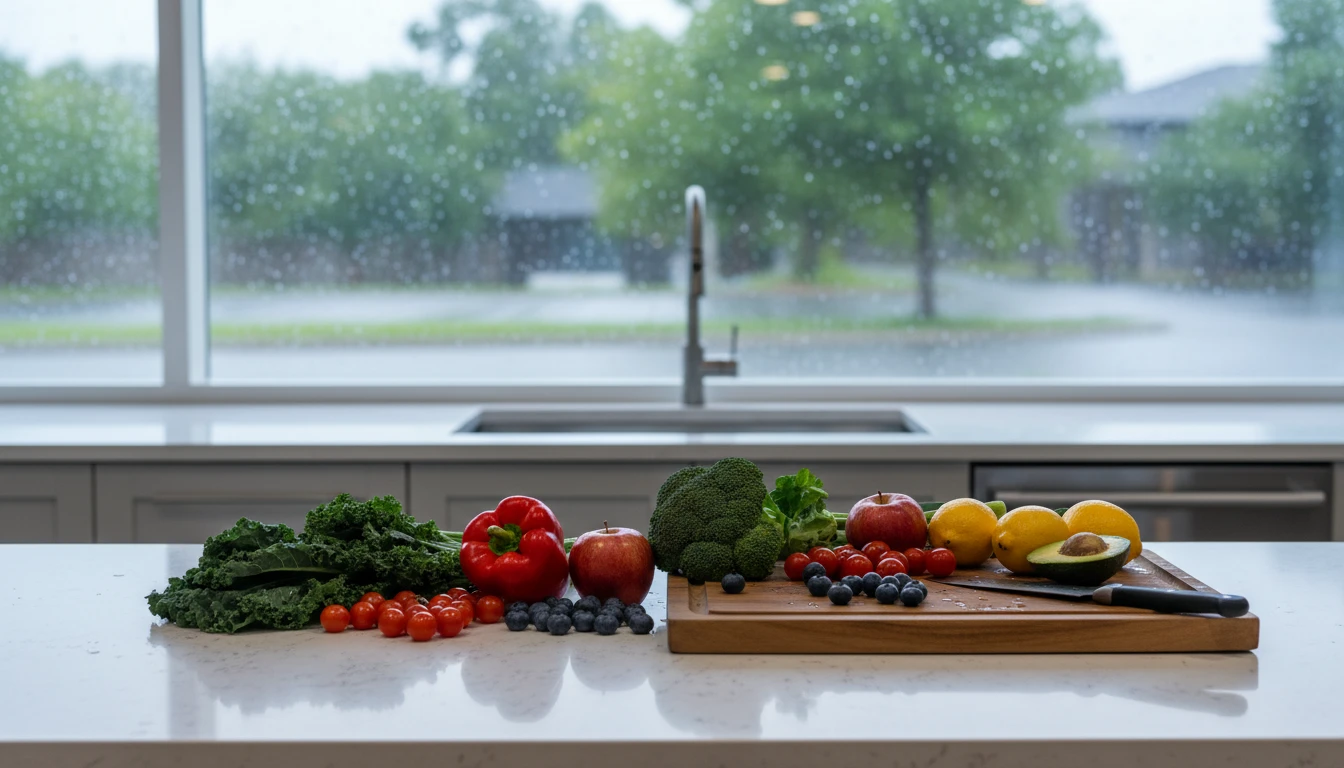
The defining feature of the Indian monsoon isn't just the rain; it's the pervasive humidity, which can reach 80-95% in many cities. This moisture in the air is the primary culprit behind rapid food spoilage. Warm, damp conditions create the perfect breeding
ground for mould, bacteria, and fungi. These microbes thrive in high humidity, causing everything from fresh greens to dry spices to spoil much faster than in other seasons. Even slight temperature fluctuations can cause condensation to form inside containers, adding to the problem. Understanding this environmental challenge is the first step toward a healthier, monsoon-proof kitchen.
Taming Your Fermented Favourites
Fermented foods like idli-dosa batter, dahi, and achar are staples, but they require special care during the rains. For idli and dosa batter, refrigeration is your best friend. Store it in a clean, airtight container and use a dry spoon to scoop out what you need, sealing it again promptly. Avoid adding salt until just before you cook, as this can accelerate souring. For pickles (achar), the main goal is to keep moisture out. Always use a completely dry spoon, ensure the jar is airtight, and keep a layer of oil on top to act as a barrier against air and moisture. If a jar is more than half empty, consider transferring the remaining pickle to a smaller jar to reduce the amount of trapped, humid air. Once a ferment like kimchi or sauerkraut reaches a taste you like, moving it to the fridge will significantly slow down the fermentation process, preserving its flavour for months.
Keeping Your Greens Fresh
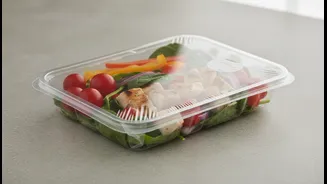
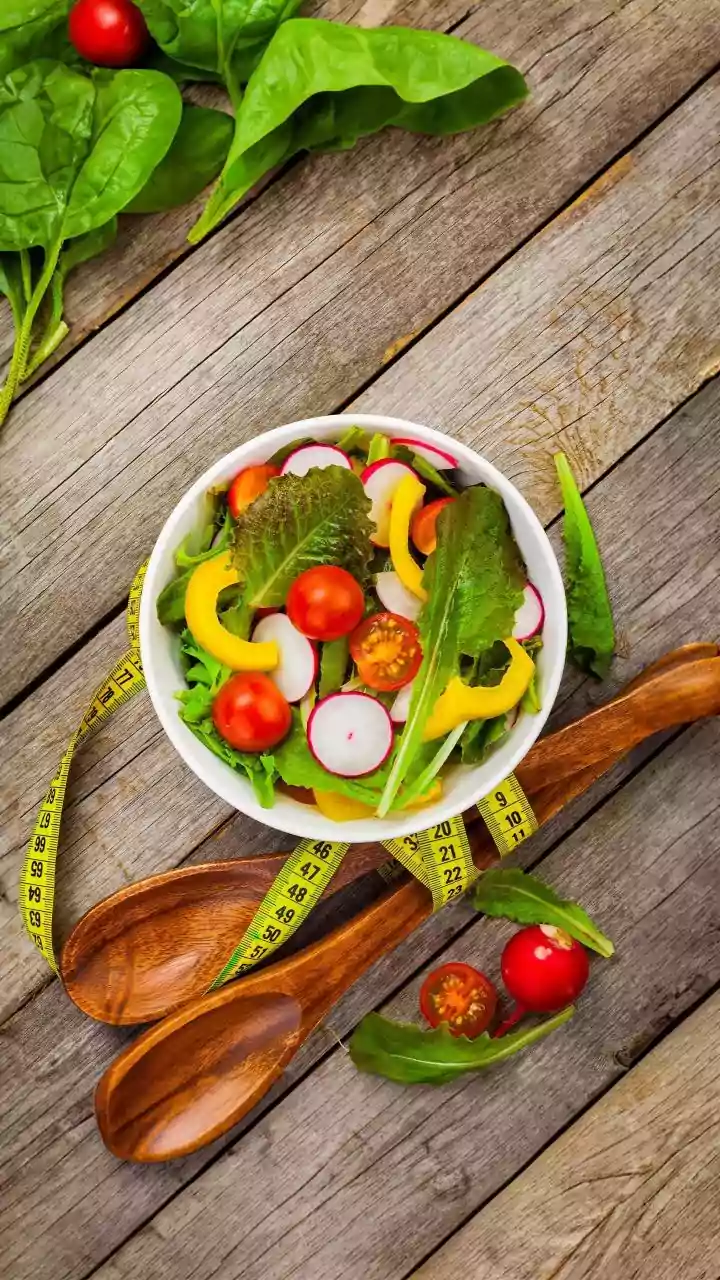
Fresh herbs like coriander (dhaniya), mint (pudina), and curry leaves are notoriously quick to wilt and rot in the monsoon. The key to extending their life is managing moisture. Don't wash them until you're ready to use them. For storage, gently wrap unwashed herb bundles in a paper towel to absorb excess moisture, then place them in a breathable or zip-top bag in the refrigerator. The paper towel wicks away dampness that causes decay. Another effective method is to trim the stems and place the herbs upright in a glass with an inch of water, like a bouquet of flowers, and cover loosely with a plastic bag before refrigerating. For leafy vegetables, wash them with salt water before cooking and consider steaming them instead of eating them raw in salads.
Protecting Spices and Dry Ingredients
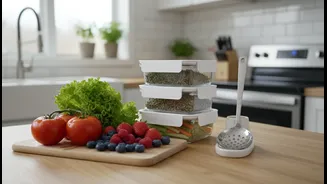
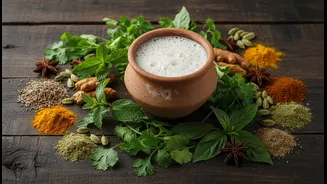
Humidity can turn your precious powdered spices into solid, unusable clumps. Spices are hygroscopic, meaning they absorb moisture from the air, which leads to caking and loss of aroma and flavour. The best defence is storing them in truly airtight containers made of glass or metal. Avoid keeping spice jars near the stove, as steam from cooking is a major source of moisture. Also, don't sprinkle spices directly from the jar into a steaming pot; instead, measure them out with a dry spoon away from the steam. For extremely humid environments, consider buying whole spices and grinding them in smaller batches as needed. Whole spices have less surface area and are more resistant to moisture damage. You can also place a few grains of uncooked rice or a food-grade silica gel pack inside your spice containers to help absorb any intrusive moisture.