




The Algorithm in Your Closet
The idea of a “data-led” personal style isn’t just about the 'people also bought' suggestions you see while shopping online. [25] It's a rapidly growing ecosystem of technologies designed to understand you, your body, and your aesthetic preferences with
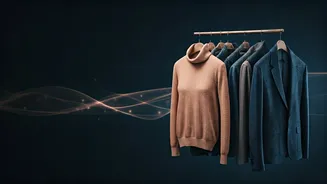
startling precision. At its core, an algorithm is a set of instructions. In fashion, these instructions are used to sift through vast amounts of data—your clicks, past purchases, social media likes, and even how long you look at an item—to predict what you’ll want to wear next. [5, 16] This moves beyond simple recommendations to a hyper-personalized experience, where your digital interactions create a detailed style profile that brands can use to cater directly to you. [26]
Your Personal AI Stylist
A new generation of AI stylist apps is transforming the abstract concept of data into a practical daily tool. Apps like Klodsy, Style DNA, and Alta allow users to digitize their existing wardrobe by uploading photos. [13, 19] The AI then acts as a personal stylist, suggesting outfits based on the clothes you already own, the local weather, and even your schedule. [19] Some apps specialize in analyzing a selfie to determine your ideal color palette, while others let you chat with an AI to ask for styling advice. [8, 20] Projections show the number of people using AI fashion apps is expected to grow from 47 million in 2025 to over 85 million by the end of 2026, signaling a major shift in how we approach our daily dressing routines. [13]
The End of 'Does This Fit Me?'
One of the biggest hurdles in online shopping—sizing uncertainty—is being tackled head-on by data-driven technology. Body scanning is becoming increasingly accessible, using a smartphone’s camera to take dozens of precise measurements in seconds. [1, 11] Companies like TrueToForm allow shoppers to create a 3D avatar of their body, which can then be used to predict fit with 97% accuracy and power virtual try-ons. [6] This technology promises to dramatically reduce return rates, which hover between 25-40% for online fashion. [9] Virtual Try-On (VTO) tools, powered by generative AI, now allow you to see how a garment drapes on your specific body shape without needing physical 3D models of the clothing, making the technology more accessible for smaller brands. [7, 12] This bridges the gap between the online and in-store experience, letting you 'try before you buy' from home. [7, 15]
From Trend Follower to Trend Forecaster
Algorithms don't just recommend clothes; they are also becoming adept at predicting and even influencing fashion trends. [3] By analyzing social media hashtags, search queries, and runway shows, AI can identify emerging styles months in advance with up to 80% accuracy. [3, 18] This allows brands to respond faster to consumer demand, ensuring popular styles are in stock. [5] For designers, this means less guesswork and more time to focus on creativity. [5] This data-driven approach also has a sustainability angle, as better demand forecasting can reduce overproduction and waste, a significant issue in the fashion industry. [2, 16]
The Human Element
While the efficiency of a data-led wardrobe is compelling, it also raises questions about creativity and individuality. [5] Is personal style still 'personal' if it's guided by an algorithm? Some argue that an over-reliance on data could lead to a homogenization of style, where everyone is subtly pushed towards the same algorithmically approved trends. [29] However, many designers and users see these tools not as a replacement for human creativity, but as an enhancement. [21] By handling the analytical side of fashion—what fits, what pairs well, what's trending—data frees up individuals to focus on the emotional and expressive aspects of style. [27] The algorithm can suggest the pieces, but the final decision to wear something—the performance and identity of getting dressed—remains a distinctly human act. [29]