
The Ultimate Last-Mile Connector
India, with its vast 7,500-kilometre coastline and countless inland water bodies, has hundreds of potential tourist destinations that remain difficult to access. Many beautiful lakes, reservoirs, and coastal stretches are hours away from the nearest airport,
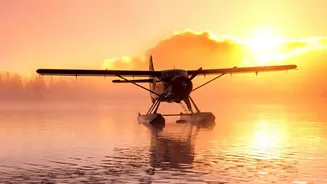
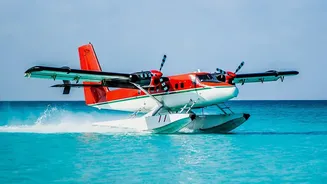
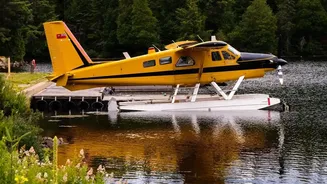
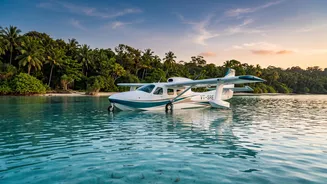
creating a 'last-mile' connectivity gap that deters many travellers. Seaplanes offer a powerful solution. These amphibious aircraft can take off from a city waterway and land on a remote lake, river, or coastal area, effectively turning any suitable body of water into a landing strip. This dramatically reduces travel time. For instance, a 200-kilometre road journey can be transformed into a short 45-minute flight, as was the case with the service connecting Ahmedabad to the Statue of Unity. This convenience makes weekend getaways and short trips to once-remote locations a far more attractive proposition for urban tourists.
Unlocking New Tourism Frontiers
By bridging the connectivity gap, seaplanes can bring new tourist destinations onto the map. The introduction of seaplane services aims to connect remote, idyllic, and untapped coastal areas and islands, significantly boosting adventure and eco-tourism. Locations in Kerala's backwaters, the islands of Andaman & Nicobar and Lakshadweep, and reservoirs near hill stations become much more viable for development. The government's regional connectivity scheme, UDAN (Ude Desh ka Aam Naagrik), has been instrumental in promoting this vision by identifying potential water aerodrome sites and offering subsidies to operators. Recent plans have included routes connecting Kochi with tourist spots in Kerala, and proposals for services in Andhra Pradesh, Assam, and Himachal Pradesh, all aimed at opening up new circuits for tourism.
A Ripple Effect on Local Economies
The impact of seaplane routes extends far beyond the airline operator. The arrival of tourists in previously hard-to-reach areas stimulates a host of local economic activities. It can lead to an increased demand for hotels, restaurants, tour guides, transport services, and sellers of local handicrafts. This creates jobs and provides a significant boost to small businesses, helping to disperse the economic benefits of tourism beyond traditional hubs. By making these locations accessible to higher-spending tourists, seaplanes can upgrade the entire tourism ecosystem. The travel itself becomes a premium experience, offering breathtaking low-altitude aerial views of the landscape, which is an attraction in its own right. This combination of convenience and experience can draw a new segment of travellers willing to pay for unique and efficient travel.
Navigating Operational Challenges
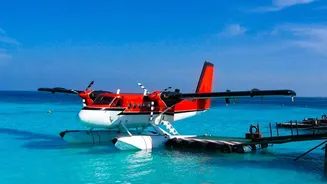
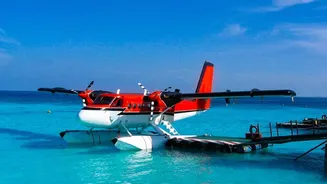
Despite the clear potential, establishing a sustainable seaplane network in India has faced significant hurdles. Past initiatives, including the high-profile route to the Statue of Unity, were suspended due to high operating and maintenance costs, coupled with inconsistent passenger demand. The sector faces challenges including complex regulations, a lack of supporting infrastructure like jetties, and a shortage of pilots trained for amphibious aircraft. Furthermore, operations are often dependent on weather conditions, which can impact reliability. Experts note that for seaplanes to be commercially viable, there needs to be a complete ecosystem that integrates aviation with tourism, ensuring steady demand and high aircraft utilisation, similar to the successful model seen in the Maldives. The government is attempting to address these issues with incentives, viability gap funding, and simplified guidelines to encourage private operators.