





The Rain-Fed Engine of Agriculture
The foundation of the monsoon's economic importance lies in a simple fact: a significant portion of India's agriculture is rain-fed. The southwest monsoon, which delivers about 75% of the country's annual rainfall, is the lifeblood for the Kharif or monsoon crops.
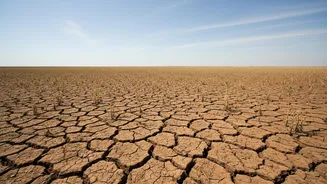
These include staples that form the backbone of the nation's diet and economy, such as rice, pulses, maize, cotton, and soybean. A timely and well-distributed monsoon ensures healthy sowing and growth, leading to bountiful harvests. Conversely, a delayed, deficient, or erratic monsoon can spell disaster, shrinking crop yields and threatening the livelihoods of millions of farmers who depend almost entirely on this seasonal rain.
From Puddle to Plate: The Price Connection
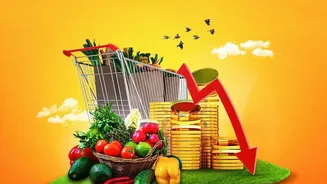
The journey from a rain cloud to your kitchen plate is surprisingly short and direct. A good monsoon boosts crop production, increasing supply in the markets and keeping prices stable. However, a weak monsoon leads to scarcity. This supply crunch is felt almost immediately in the prices of perishable goods like vegetables. Recent trends show that even everyday items like coriander and ginger can see sharp price spikes due to rain-related disruptions in key growing areas. This volatility in staples directly impacts household budgets across the country, making the daily progress of the monsoon a subject of intense interest for consumers and traders alike.
The Ripple Effect on National Inflation
The monsoon's influence extends far beyond the farm gate, creating ripples across the entire economy. Since food items constitute a large part of India's Consumer Price Index (CPI) basket, a surge in food prices driven by a poor monsoon can push up the nation's headline inflation rate. This is why the Reserve Bank of India (RBI) is one of the most diligent monsoon-watchers. The central bank's decisions on interest rates are heavily influenced by the inflation outlook. A weak monsoon, threatening to stoke food inflation, could lead the RBI to maintain higher interest rates, which affects everything from home loans to business investments. In recent MPC meetings, the RBI has repeatedly flagged an uneven monsoon as a significant risk to the economy.
Beyond the Farm: A Wider Economic Barometer
A strong monsoon season fuels a virtuous cycle of economic activity. Higher crop yields boost rural incomes, which in turn stimulates demand for goods and services. Farmers with more disposable income are more likely to purchase tractors, consumer goods, and construction materials, providing a significant lift to various industries. Furthermore, the monsoon replenishes reservoirs and groundwater levels, which are critical not only for irrigation during the dry season but also for generating hydroelectric power and ensuring drinking water supply. A deficit in rainfall can strain power grids and lead to water shortages, demonstrating the monsoon's far-reaching impact.
Navigating an Uncertain Future
With climate change making weather patterns more erratic, the monsoon's predictability is declining. Phenomena like El Niño can further weaken the monsoon, increasing the risk of drought-like conditions, as has been a concern in 2026. To mitigate these risks, the government often relies on measures like maintaining buffer stocks of essential grains and managing imports to control price surges. However, the increasing frequency of extreme weather events—from intense downpours causing floods to prolonged dry spells—poses a continuous challenge. This has spurred a greater focus on climate-resilient agricultural practices and better water management to secure India's food supply and economic stability against an unpredictable climate.