





Rethink Your Itinerary and Transport
The first step in monsoon-proofing your travels is choosing your destination wisely and building flexibility into your schedule. Some regions are more prone to severe disruptions like flooding and landslides. [19] Destinations like Ladakh, which receives
less rainfall, can be a safer bet. [24] However, if you're set on popular monsoon spots like the Western Ghats or Goa, be prepared for travel disruptions. [28] Heavy rain can cause significant delays for flights, trains, and road transport. [19, 22] Airlines often reschedule or cancel flights due to low visibility and strong winds, with delays increasing by up to 40% in peak months. [23, 25] It's wise to book morning flights, as storms often build in the afternoon. [25] For road trips, check conditions beforehand, as heavy rains can cause slippery roads, waterlogging, and landslides, particularly in hilly areas. [7, 8] Always have a buffer day or two in your itinerary to accommodate potential delays without derailing your entire trip. [5]
Pack Smart, Not Just Light
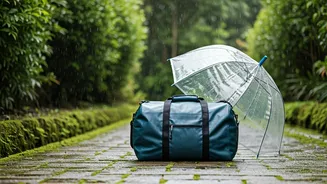
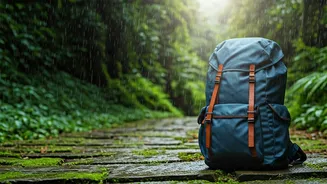
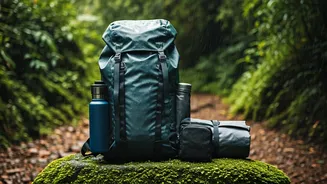
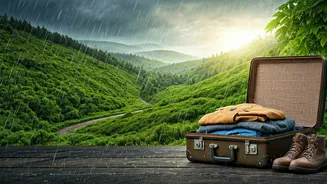
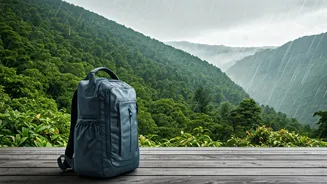
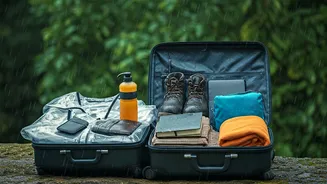
Your packing list needs a monsoon-specific overhaul. Swap out your usual cottons for lightweight, quick-drying synthetic fabrics like polyester and nylon. [4, 6] Jeans are a definite no, as they take ages to dry. Darker coloured clothes can help hide mud splashes. [2] A high-quality, lightweight raincoat or poncho is non-negotiable. [3, 4] Footwear is critical; invest in waterproof sandals or shoes with excellent grip to navigate slippery surfaces and waterlogged streets. [2, 4] Protect your electronics and important documents by using waterproof bags, covers, and zip-lock pouches. [2, 6] It's also a good idea to line your main backpack with a larger waterproof bag for extra protection. [5] Lastly, a portable power bank is a must-have, as power cuts can be common during heavy rains. [2, 4]
Prioritise Health and Hygiene
The monsoon season brings an increased risk of infections. Stagnant water becomes a breeding ground for mosquitoes, raising the risk of diseases like dengue and malaria. [9, 13, 15] Always carry a reliable insect repellent and consider wearing long-sleeved clothing. [4, 13] Waterborne illnesses such as typhoid and gastroenteritis are also more common, so it's crucial to drink only bottled or purified water and avoid street food, especially uncooked items. [9, 13] Frequent hand washing or using a hand sanitizer is essential. [9, 13] Pack a basic first-aid kit with medications for common ailments like fever, coughs, and stomach upsets, along with antiseptic wipes and waterproof bandages. [2, 4] Keeping your feet clean and dry can help prevent fungal infections. [13]
On The Road: Safety First
If you are driving, adapting to the conditions is crucial for safety. Reduce your speed significantly and increase the distance between your vehicle and the one in front to account for longer braking distances on wet roads. [7, 11] Ensure your car's essentials are in top condition before you start, including tyres, brakes, and windscreen wipers. [7, 10] Driving through puddles can be dangerous as they might conceal large potholes or debris. [10] In mountainous regions, be extremely cautious of fog and the risk of landslides, especially during heavy downpours. [8] It's best to avoid driving on ghat roads at night. [8] Always keep your headlights on for better visibility and to ensure other drivers can see you. [7, 11] It is also wise to keep your fuel tank topped up and carry snacks and water in case of long traffic jams or road closures. [11]
Embrace the Backup Plan
Even with the best planning, things can go wrong. A landslide might block the road, or a continuous downpour might wash out your sightseeing plans. This is where your backup plan comes into play. Before you travel, research some indoor activities at your destination. This could be visiting a local museum, exploring a quaint café, or even just having a good book or downloaded movies for a cozy day in. [2] If a road is blocked, check for alternative routes but be wary of unverified shortcuts suggested by maps. [8] Sometimes, the best plan is to simply wait it out. Having a flexible mindset and seeing detours as part of the adventure is key to enjoying monsoon travel. A delayed day can become an opportunity to discover a local market or enjoy a hot cup of chai while watching the rain.