




The 'Why Twice?' Advantage
The classic Sunday meal prep marathon can be daunting. It often results in food fatigue by Thursday, with meals that have lost their freshness. Splitting your prep into two sessions—a larger one on the weekend and a shorter one mid-week—is a game-changer.
This approach keeps your meals more varied and interesting. Sunday's session can tackle the big, time-consuming items, while a quick Wednesday cook-up introduces fresher elements for the latter half of the week, ensuring you avoid the monotony and enjoy better-tasting food.
Session 1: The Sunday Foundation
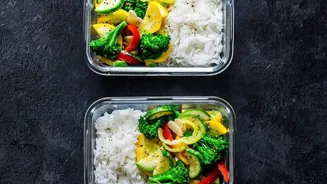
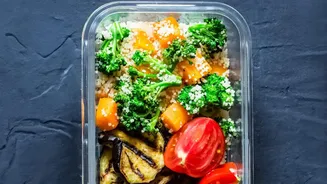
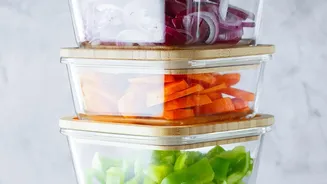
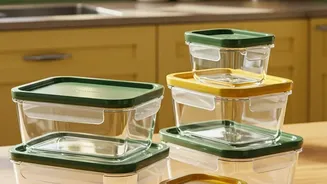
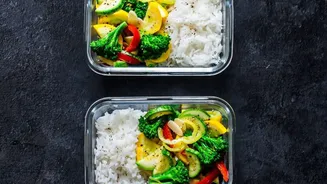
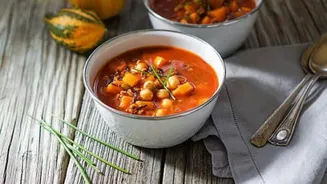
Dedicate about 90 minutes on Sunday to setting up the week. This is your power session. Focus on cooking components that store well. This is what's known as a 'modular' or 'buffet-style' prep. Instead of making five identical meals, you cook ingredients separately. Start with items that take the longest, like roasting vegetables (broccoli, bell peppers, zucchini) or cooking grains (quinoa, rice). At the same time, prepare a large batch of one or two proteins. Think pulled chicken in a slow cooker, a big pot of chilli, or baked tofu. These components become the building blocks for your meals for the first few days. Let everything cool completely before storing in airtight containers.
Session 2: The Wednesday Refresh
Your mid-week session should be fast, around 30-45 minutes. The goal here is speed and freshness. This is the time to handle delicate items that wouldn't last a full week. You could pan-sear a piece of fish, make a fresh sauce or dressing to liven up your pre-cooked basics, or wash and chop salad greens for the next two days. This is also a good moment to boil a fresh batch of eggs or quickly stirfry some vegetables. This brief reset prevents food from becoming soggy or unappetizing and makes your Thursday and Friday meals feel just as appealing as Monday's.
A System for Teamwork
The key to making this work as a couple is to divide the labour based on strengths and preferences, not rigid rules. Cooking involves three main jobs: planning, shopping, and cooking/cleaning. One partner might excel at planning the week's menu and making the grocery list, while the other enjoys the handson cooking process. On prep days, try a taskbased split: one person chops all the vegetables while the other manages the stove and oven. This 'parallel cooking' is far more efficient. The noncooking partner can handle cleanup. Having clear roles prevents the daily 'whose turn is it?' debate and turns cooking from a chore into a shared project.
MixandMatch Menu Planning
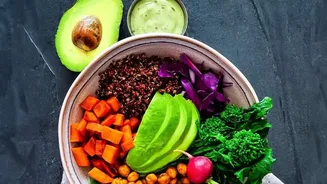
The beauty of a componentbased system is flexibility. Your precooked chicken, roasted veggies, and quinoa can become a grain bowl on Monday, chicken wraps for Tuesday's lunch, and part of a hearty salad on Wednesday. Focus on recipes and cuisines you both enjoy to find common ground. When planning, think about how 2nd proteins, 2nd vegetables, and a couple of carb sources can be combined in different ways. Store sauces separately and add them just before serving to keep meals feeling fresh. This strategy is especially useful if you have different portion size needs; each person can build their own plate according to their appetite and nutritional goals.