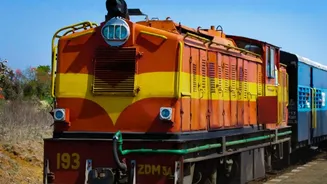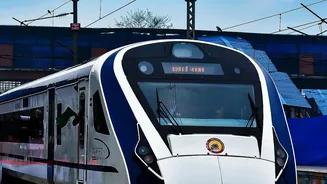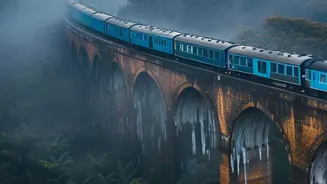





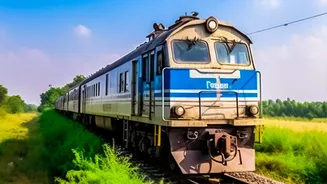
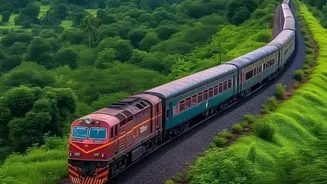
The New Age of Rail Travel
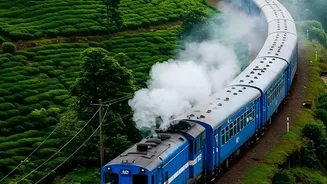
Exploring India’s magnificent wildlife no longer requires expensive flights or long, uncomfortable bus journeys. Recent railway infrastructure projects are enhancing connectivity to many of the country's prime tourist spots, including national parks.
A major project approved in early 2026 focuses on doubling the Gondia-Jabalpur line, significantly improving access to parks like Pench and Kanha. While some of these large-scale projects have completion dates stretching to 2030, the immediate benefits include reduced congestion and more reliable services on existing lines that act as gateways to the wilderness. For students, this translates to a golden opportunity: a cheaper, more reliable, and scenic way to reach the wild heart of the country.
Satpura: The Adventurer’s Sanctuary
Unlike the jeep-dominated safaris of more famous parks, Satpura National Park offers a unique, intimate experience with walking safaris, canoeing, and fewer crowds. It's a 'secret' in the sense that it's less commercialised, offering a more authentic jungle feel. To get there, the most convenient railway station is Pipariya, located just under 50 kilometres from the Madhai entrance gate. Pipariya is well-connected to major cities like Mumbai, Delhi, and Kolkata. From the station, you can hire a local taxi or use a pre-paid service to cover the final hour-long leg of the journey to the park. For an even tighter budget, Sohagpur station is closer at just 20 kilometres, though it has fewer train connections. Budget stays and forest guesthouses are available, making it a perfect fit for a student expedition.
Panna: A Comeback Story on a Budget
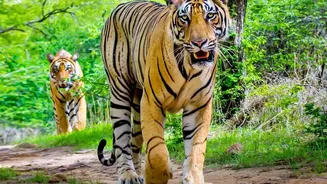
Panna National Park, famous for its successful tiger reintroduction program, is another gem that is surprisingly accessible. While it doesn't have its own station, it is flanked by two useful railheads: Satna (around 90 km away) and Khajuraho (around 40-94 km away, depending on the source). For students travelling from North India, taking a train to Jhansi, a major rail hub, and then a connecting train or bus to Khajuraho is a viable, low-cost option. From Khajuraho or Satna, regular buses and shared taxis ply the route to Panna, allowing for significant savings compared to booking a private car for the entire journey. Staying in the town of Panna or near the Madla gate offers access to budget-friendly accommodation.
Pench: Kipling’s Country by Rail
The land that inspired 'The Jungle Book' is more connected than you think. While Pench National Park straddles two states, the Madhya Pradesh side is well-served by rail. The nearest major railway stations are Seoni (about 72 km away) and the much larger hub of Jabalpur (around 205 km away). The doubling of the Gondia-Jabalpur line is set to specifically boost tourism to Pench, promising faster and more frequent trains in the future. For now, students can take a train to Jabalpur or Seoni and then catch a bus or shared taxi to the park gates. This two-step process is the key to keeping costs down. Choosing a bus over a private taxi for the last leg can cut your transport cost dramatically.
Your Student Saver Toolkit
Travelling by train is inherently cheaper, but you can save even more. Indian Railways offers concessions for students travelling to their hometown or for educational tours, typically providing 50% off in Second and Sleeper classes. You'll need to get a concession form from your educational institution and present it at a ticket counter, as this is usually not available for online bookings. Beyond the ticket, save money by packing your own snacks, travelling in groups to split costs for local transport from the station to the park, and choosing government-run forest rest houses or budget guesthouses over luxury resorts. Opting for canter (open-bus) safaris instead of private jeeps is another fantastic way to experience the jungle without breaking the bank.