




The Digital Lifeline Explained
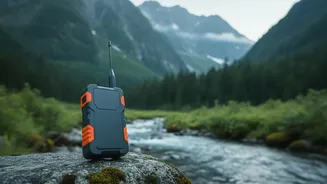
The latest safety upgrade for trekkers comes in the form of real-time GPS beacons. These are not just for finding your way; they are a critical link to safety. Many of these devices, often small enough to clip onto a backpack, transmit your precise location
to a monitoring center. While some advanced systems can be paired with apps that provide weather alerts, their primary function is to serve as a lifeline. If a trekker is stranded, injured, or caught in a dangerous situation like a flash flood, rescue teams can pinpoint their exact coordinates, drastically reducing search and response times. Some devices even feature an SOS button that sends an immediate distress signal to emergency services when pressed.
An Ecosystem of Safety
It's important to understand that these beacons work as part of a larger safety ecosystem. The headline's mention of safeguarding against "sudden river spikes" refers to this integrated approach. While the personal GPS device tracks the trekker, authorities and trek operators monitor meteorological data, including heavy rainfall predictions and river levels in catchment areas. If a dangerous surge is anticipated, this information can be relayed to guide trekkers away from perilous zones. In places like the Himalayas and the Western Ghats, where several state governments have begun making GPS trackers mandatory for certain high-risk trails, this combination of location tracking and environmental monitoring is proving to be a formidable safety tool. It allows for a proactive response, rather than a purely reactive one.
Beyond the Beacon: Essential Monsoon Rules
Technology is a powerful ally, but it doesn't replace personal responsibility and knowledge. The most crucial safety decisions are made before you even step on the trail. During the monsoon, many trails that are simple in dry weather become treacherous. The primary dangers are not just getting wet, but flash floods in narrow gullies, extremely slippery rock patches, and river crossings that can become impassable within minutes. Always check with local authorities or the Forest Department about trail conditions and closures before you leave. Many regions now require online permits, which also helps authorities keep track of who is on the trail.
Gear Up for the Challenge
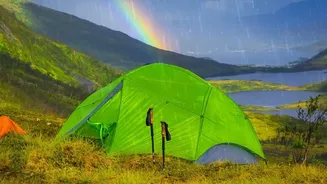
Your gear is your first line of defense against the elements. Standard sports shoes won't do; you need waterproof trekking shoes with deep, aggressive treads for grip on mud and slick rocks. A lightweight, fully waterproof rain jacket or poncho is non-negotiable. It's also wise to pack your essentials—electronics, a change of clothes, and a first-aid kit—in waterproof dry bags inside your main backpack. A trekking pole can be invaluable, not just for balance on slippery descents but also to gauge the depth and current of a stream before you attempt to cross it. And always carry a headlamp; dense monsoon cloud cover can bring on an early dusk.
Read the Signs Nature Gives You
The most experienced trekkers know how to read the environment. Pay attention to the water in streams; if it suddenly turns muddy or starts carrying debris, it's a sign of heavy rain upstream and a potential flash flood. Never camp in a dry riverbed, no matter how convenient it seems. Always be wary of crossing streams, even shallow ones. If a current feels strong, it's better to wait or turn back. Heeding these natural warnings is a skill that complements any technology you carry. Avoid trekking alone, especially in the monsoon, as a simple slip can become a serious emergency without immediate help.