

The Undeniable Appeal of Convenience
The single biggest driver behind the one-pan trend is its promise of minimal effort for maximum reward. For busy professionals, students, and parents juggling work and home life, the thought of a sink piled high with pots, pans, and various cooking utensils
can be a powerful deterrent to cooking. One-pan recipes eliminate this friction. The concept is simple: toss your protein, vegetables, and starches onto a single sheet pan or into one pot, and let the oven or stovetop do the work. This not only dramatically cuts down on cleaning time but also simplifies the cooking process itself, making wholesome meals feel more accessible on a hectic weeknight. It's a practical approach that transforms dinner from a multi-stage, high-mess project into a streamlined, manageable task.
A Boost for Health and Nutrition
Beyond convenience, vegetarian one-pan meals align perfectly with modern wellness goals. With India's deep-rooted vegetarian traditions and a growing global interest in plant-based eating, these recipes offer a natural fit. Cooking everything together in one vessel helps retain more nutrients that might otherwise be lost, for instance, in draining water from boiled vegetables. The cooking liquid, rich with vitamins and minerals, becomes part of the final sauce or broth. This method also encourages generous use of vegetables and makes portion control intuitive. For families, it's a gentle way to introduce a wider variety of vegetables to picky eaters, as the flavours meld together to create a more palatable and cohesive dish.
Deeper Flavours, Simpler Process
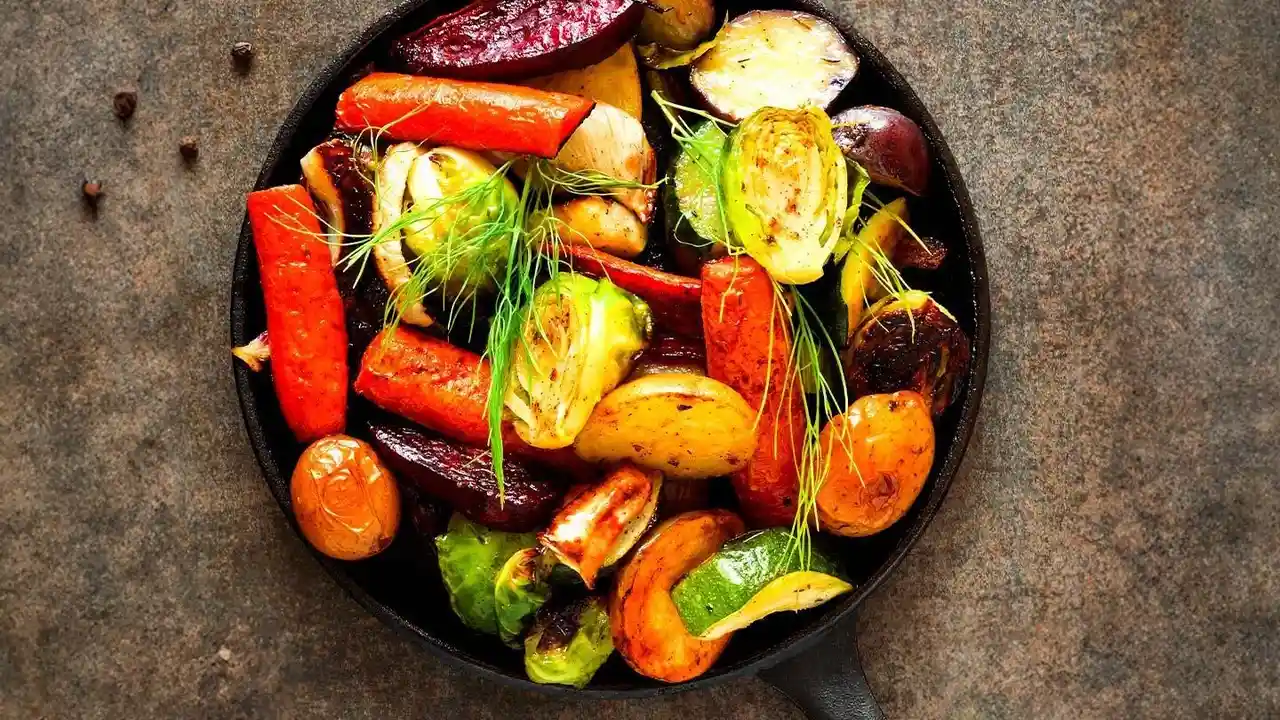
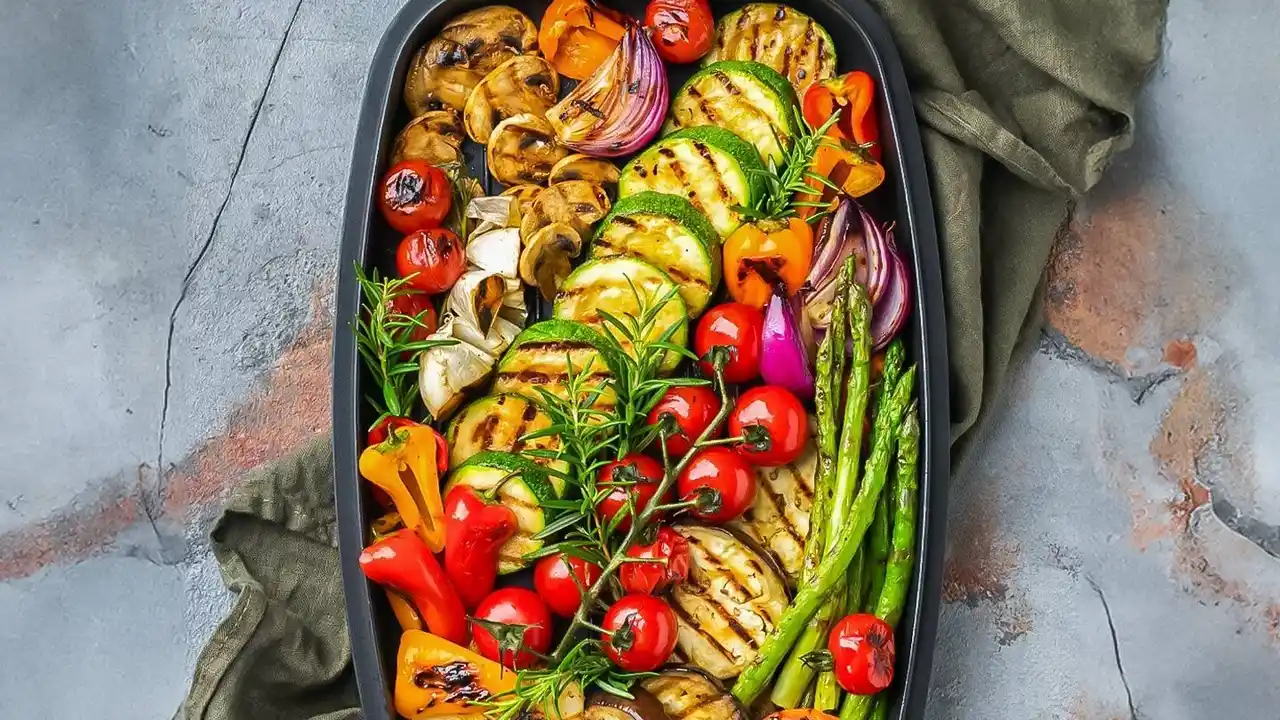
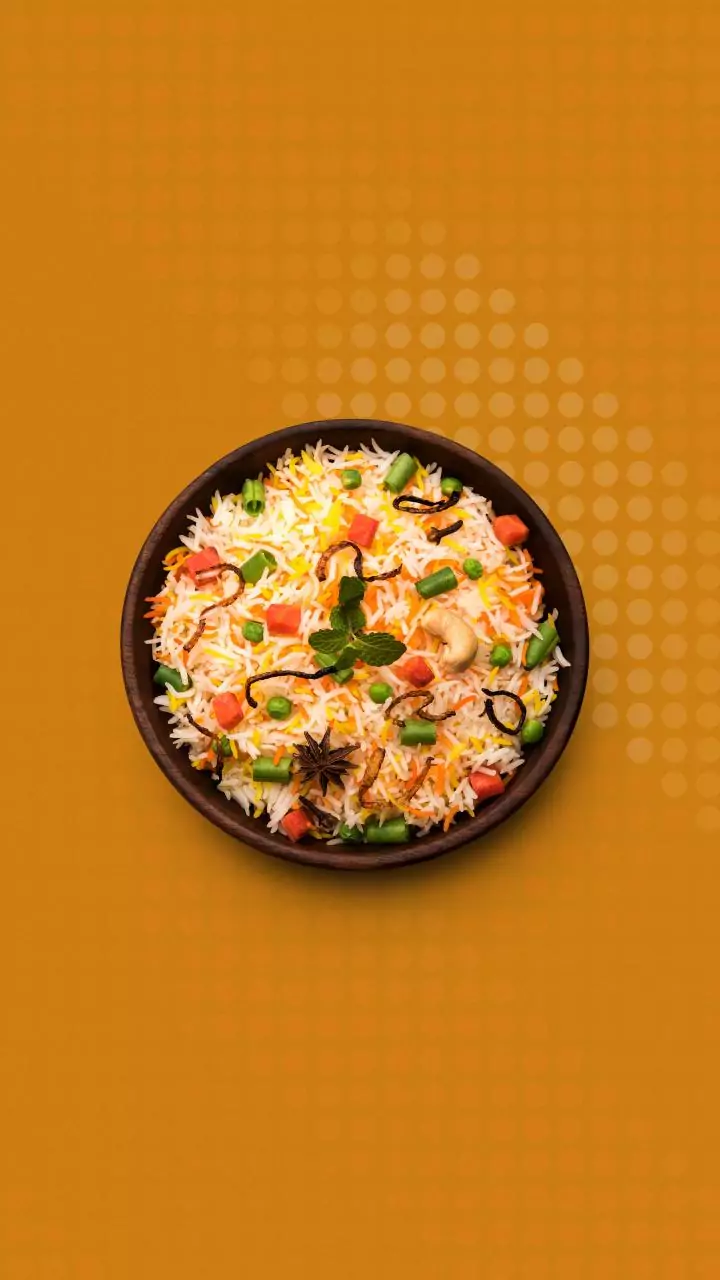
A common misconception is that simple cooking results in simple taste. One-pan cooking proves the opposite. By roasting or simmering all the ingredients together, flavours are allowed to meld, deepen, and intensify in a way that separate cooking doesn't allow. Vegetables caramelize, releasing their natural sweetness. Spices and herbs infuse the entire dish, not just one component. Whether it's a sheet-pan of spice-roasted paneer and peppers or a one-pot vegetable biryani, the ingredients cook in a shared environment, creating layers of rich, satisfying flavour with very little hands-on effort. The final dish often tastes like it took hours of complex simmering, when in reality, it was a simple case of 'set it and forget it'.
The Influence of Social Media
The visual appeal of one-pan meals has made them a sensation on social media platforms like Instagram and TikTok. A colourful sheet pan brimming with roasted vegetables or a bubbling pot of curry is inherently photogenic. Food bloggers and influencers across India and the world have popularised viral recipes like one-pan baked feta pasta, showcasing just how easy and delicious these dishes can be. These videos and posts not only provide inspiration but also serve as mini-tutorials, demystifying the process and encouraging home cooks to try it themselves. The 'dump and bake' nature of many of these recipes makes for compelling, fast-paced content that fits perfectly with the format of these platforms, driving the trend further into the mainstream.
Economical and Eco-Friendly Cooking
In an era of rising costs and growing environmental awareness, one-pan cooking offers a sustainable and budget-friendly approach. Using a single pot or pan means using only one heat source, which can help reduce household energy consumption. It also means using significantly less water for washing up. Furthermore, these recipes are a fantastic way to use up leftover vegetables lingering in the fridge, helping to minimise food waste. By preparing large batches, families can plan for leftovers for the next day's lunch, which is more economical than preparing every meal from scratch. It’s a smart way of cooking that benefits both your wallet and the planet.