



Go Local with Your Blooms
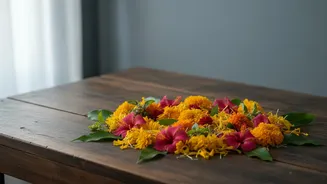
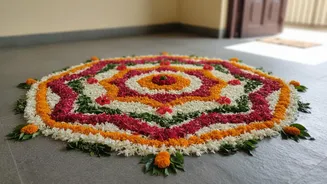
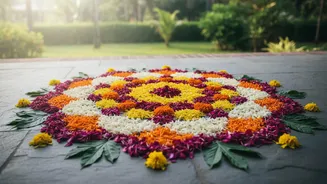
The most significant step towards a sustainable pookkalam is choosing locally grown flowers. Traditionally, pookkalams were made with flowers foraged from one's own garden and neighbourhood, like thumba, chethi, and mukkutti. Today, flower markets are
often filled with blooms like marigolds and chrysanthemums transported from other states, which carries a substantial carbon footprint. This Onam, seek out local vendors who source their flowers from nearby farms. Initiatives across Kerala, like the Kudumbashree mission, are empowering local women to cultivate flowers specifically for the festive season. Buying from them not only ensures fresher petals but also supports the local economy and reduces transportation-related pollution. Ask your local florist about their supply chain or visit neighbourhood stalls that often sell locally harvested flowers.
Embrace Natural Diversity
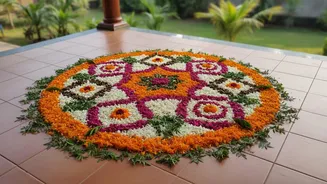
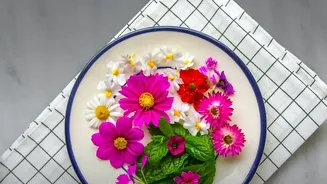
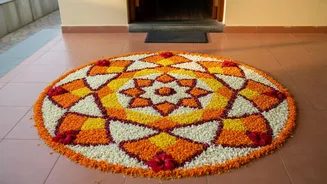
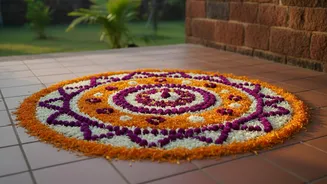
A sustainable pookkalam is a diverse one. Instead of relying solely on a few commercially popular flowers, expand your palette to include a variety of local and seasonal flora. Think beyond just petals—incorporate colourful leaves, fragrant tulsi, and even natural materials like rice flour to create fine details and borders. Historically, the first day of pookkalam creation, Atham, traditionally began with simple, small white thumba flowers, a far cry from the large, intensely coloured designs seen today. Reconnecting with this tradition by using a wider range of indigenous plants not only adds unique textures and shades but also reduces the pressure on intensively farmed flower species, which often require pesticides and chemical fertilizers. These chemicals can pollute soil and water when the flowers are eventually discarded.
Ditch Plastics and Artificial Colours
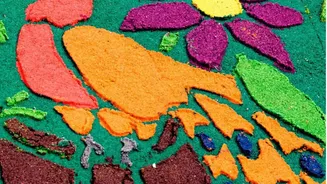
Many modern pookkalam practices involve non-biodegradable materials. Avoid using plastic sheets as a base, as these end up in landfills. Instead, you can draw your design directly on a cleaned floor with chalk. Also, steer clear of synthetic coloured powders or dyed flower petals, which can contain harmful chemicals. The beauty of a pookkalam lies in the natural vibrancy of its flowers. For extra colour, look to nature's pantry. Turmeric can provide a brilliant yellow, while beetroot powder can offer a deep red. Similarly, opt for traditional brass or earthen diyas for lighting instead of plastic LEDs to give your festive decor a truly authentic and eco-friendly glow.
Plan for a Zero-Waste Afterlife
The life of a pookkalam doesn't have to end when the Onam festivities conclude. Discarding tonnes of floral waste into landfills or water bodies contributes significantly to pollution. This year, plan to give your flowers a second life. The easiest and most beneficial way to dispose of your pookkalam is by composting. Layer the used flowers and leaves with 'brown' materials like dried leaves, sawdust, or shredded newspaper in a compost bin. In 40-60 days, you will have nutrient-rich compost for your garden or potted plants. If you don't have a composting setup, you can simply bury the flowers in your garden soil. This returns the organic matter to the earth, completing a beautiful, natural cycle and ensuring your celebration leaves behind nothing but fond memories.