




The Silent Enemy in Zero Gravity
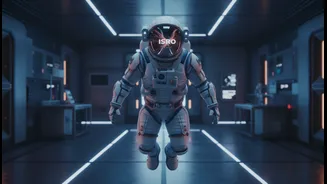
On Earth, gravity is a constant, invisible force that our bodies work against every second. This resistance keeps our bones strong and muscles toned. In the microgravity of space, this constant load vanishes. Without it, the body begins to deteriorate
at an alarming rate. Astronauts can lose up to 20% of their muscle mass in under two weeks and bone density can decrease by 1% to 2% every month. This process is similar to accelerated osteoporosis and muscle atrophy, posing a significant risk not just for the mission, but for the astronaut's health upon returning to Earth. The body essentially interprets the lack of gravity as a signal that strong bones and muscles are no longer needed.
Why Not Just Any Workout Will Do
Initially, space agencies provided simple exercise equipment like elastic bands or basic treadmills. However, it quickly became clear that just getting the heart rate up wasn't enough. While cardiovascular health is important, aerobic exercises like running on a standard treadmill do little to combat the primary threats of microgravity: bone and muscle loss. The key missing ingredient is load-bearing stress. Your body needs to feel the force and impact that mimics standing, walking, and lifting against gravity. Without this stimulus, bone-building cells slow down while cells that break down bone keep working, leading to a net loss of bone mass.
The 'Right' Adaptation: Mimicking Gravity's Pull
The "right biological adaptation" is therefore one that counteracts this deterioration by tricking the body into thinking it's still under a gravitational load. This requires a focus on two main types of exercise: resistive and weight-bearing. Resistive exercise, like weightlifting, creates tension in the muscles, which in turn pulls on the bones. This signals to the body that it needs to maintain and even build both muscle tissue and bone density. For astronauts, this isn't about getting bigger muscles for aesthetic reasons; it's about generating the mechanical stress necessary to preserve the musculoskeletal system for when they return to a gravity-rich environment.
The Astronaut's High-Tech Gym
To achieve this, the International Space Station (ISS) is equipped with highly specialized gear. The star of the show is the Advanced Resistive Exercise Device (ARED). Using a system of vacuum cylinders and flywheels, ARED allows astronauts to perform exercises like squats, deadlifts, and bench presses, simulating free-weight lifting on Earth with up to 272 kilograms of resistance. This is supplemented by two other key devices: the T2 treadmill, which uses a harness system to pull the astronaut down and simulate body weight, and a stationary cycle (CEVIS) for cardiovascular health. Astronauts exercise for about two hours every day, following a carefully prescribed regimen of both resistive and aerobic workouts.
From Mars Missions to Earthly Benefits
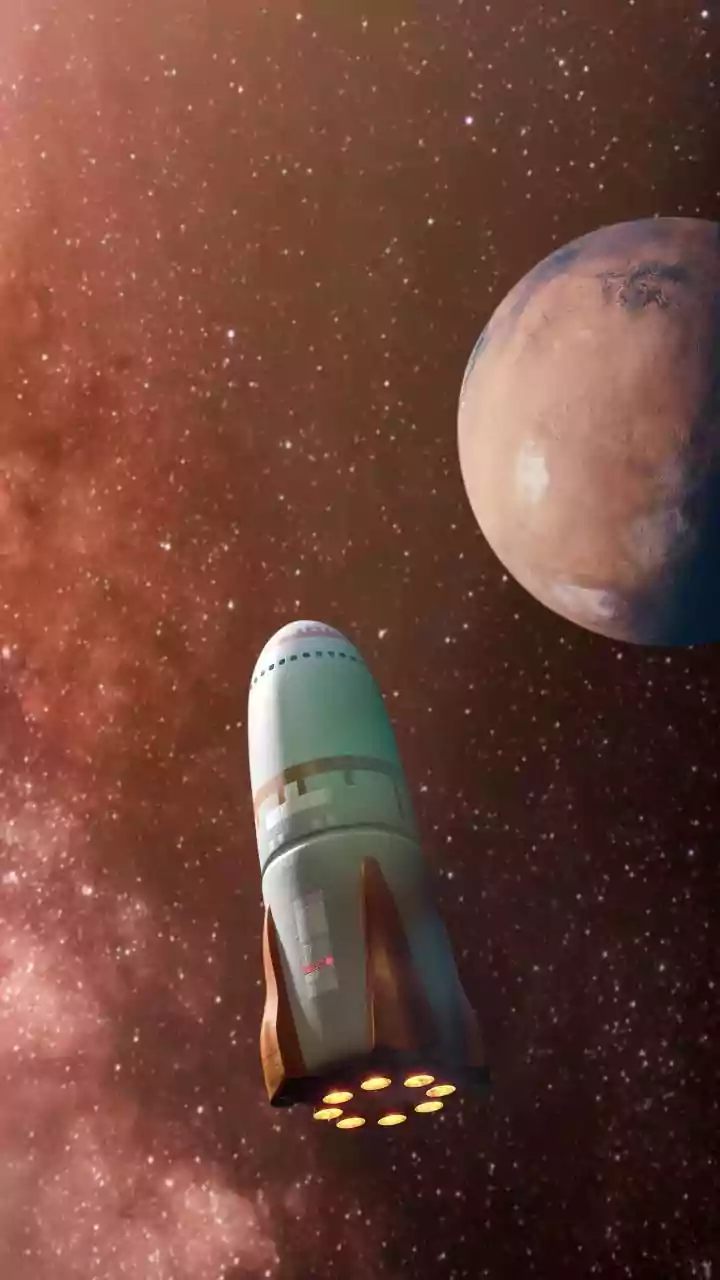
This research is critical for future long-duration missions, like a trip to Mars, where crews will be in space for years. Ensuring they arrive physically capable of working in a partial-gravity environment is a top priority. But the benefits of this research extend back to Earth. Understanding how to combat muscle and bone atrophy in astronauts helps scientists develop better treatments for osteoporosis, age-related muscle loss, and mobility issues for bedridden patients here on Earth. The lessons learned from keeping astronauts healthy in the most extreme environment are paving the way for improved health for everyone, a direct link between India's growing space ambitions and public health.