








Prioritise Airflow and Ventilation
The single most effective weapon against dampness is good ventilation. In a small flat, stagnant air traps moisture, creating a breeding ground for mould and mildew. Whenever the rain stops, open windows and doors to allow for cross-ventilation. Even
running ceiling fans on a low speed helps keep air moving, which significantly slows mould growth compared to stagnant, humid air. Also, ensure you leave a gap of at least a few inches between your furniture and the walls; this prevents moisture from getting trapped and damaging both your walls and your belongings.
Choose Your Textiles Wisely
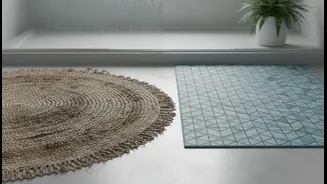
Heavy fabrics are moisture magnets. During the monsoon, it’s time to swap them out. Roll up thick carpets and heavy rugs, as they can trap dampness and develop a musty smell. Instead, opt for lightweight, quick-drying cotton dhurries or natural fibre rugs like hemp. For curtains, replace heavy drapes with sheer or lace options. This not only prevents them from feeling damp but also allows more natural light to filter into your flat, which helps combat the gloom and further reduces moisture. When it comes to cushions and throws, vibrant colours in light fabrics can brighten up the space and are less prone to holding dampness.
Select Moisture-Resistant Furniture
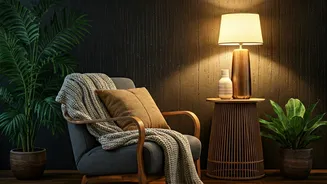
Wood often swells and warps in high humidity, and particleboard is particularly vulnerable. If possible, opt for furniture made from materials that are naturally resistant to moisture. Metal, resin wicker, and certain hardwoods like teak are excellent choices. If you have wooden furniture, ensure it is polished or sealed to prevent moisture absorption. Moving wooden pieces away from walls that are prone to dampness is also a crucial step to prevent hidden mould from developing on the back surfaces. For seating, consider designs that don't rely on thick cushions, which can absorb and hold moisture for a long time.
Use Natural (and Electric) Dehumidifiers
You don’t always need an expensive machine to fight humidity. Simple household items can work wonders. Place bowls of rock salt or baking soda in damp corners, cupboards, and wardrobes to absorb excess moisture. Activated charcoal is another excellent natural absorbent. For your wardrobes, silica gel packets, camphor, or dried neem leaves can keep clothes from feeling musty and repel insects. If your flat feels persistently damp despite these measures, investing in a small electric dehumidifier can be a game-changer, efficiently pulling moisture from the air and maintaining a healthier indoor environment.
Refresh Your Walls and Decor
Damp walls are a common monsoon woe. At the first sign of mould, clean the area with a solution of white vinegar and water. For a longer-term solution, consider using anti-fungal or waterproof paints in moisture-prone areas like the kitchen and bathroom. To brighten your home and make it feel larger, use mirrors and metallic decor items, as they reflect light and create an illusion of space. Introducing vibrant colours through cushion covers or fresh flowers in vases can also instantly lift the mood and distract from the dreary weather outside.
Be Smart with Storage
Proper storage is key to protecting your belongings. Avoid storing leather items, books, and important documents in low-lying areas or directly on the floor. Use elevated shelves and sealed, waterproof containers to keep them safe. In wardrobes, ensure there is enough space for air to circulate between clothes. Don't overstuff them. Using newspaper to line shelves is a classic Indian trick that works well to absorb ambient moisture before it settles into your clothes or linens.