

Bengal's Aromatic Panch Phoron
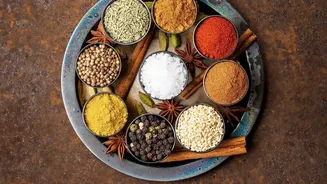
Hailing from Eastern India, particularly Bengal, Panch Phoron is a vibrant, whole-spice blend that translates to 'five tempers'. It typically consists of equal parts of fenugreek seeds, nigella seeds, cumin seeds, black mustard seeds, and fennel seeds.
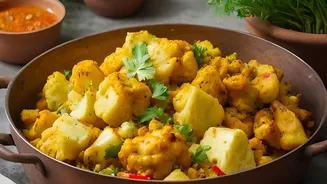
Unlike ground masalas, these seeds are used whole and are almost always the first thing to hit the hot oil or ghee in a pan, a technique called 'tadka' or tempering. As they sizzle and pop, they release a complex aroma—bitter, sweet, and pungent all at once. For a simple one-pot meal, temper a teaspoon of Panch Phoron in oil, then add diced potatoes, cauliflower, and peas. Sauté for a few minutes, add a little water or coconut milk, season with salt and turmeric, and simmer until the vegetables are tender. The spice blend infuses the entire dish with a distinct, layered flavour that is anything but one-note.
Maharashtra's Earthy Goda Masala
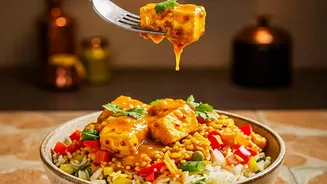
Travel west to Maharashtra, and you will find Goda Masala, the soul of many of the region's vegetarian kitchens. Meaning 'sweet masala', its name refers not to sugary sweetness, but to a mellow, rounded flavour profile without the fiery heat of other blends. This dark, aromatic powder is a complex mix of roasted coconut, sesame seeds, and unique ingredients like 'dagad phool' (stone flower), alongside traditional spices like coriander and cumin. Unlike garam masala, which is often used as a finishing spice, Goda Masala is added during the cooking process to build deep, foundational flavour. To transform a simple rice and lentil dish, cook rice and pigeon peas (toor dal) together. In a separate pan, prepare a tempering with mustard seeds and curry leaves, then add onions, tomatoes, and a generous tablespoon of Goda Masala. Mix this flavour base into your cooked rice and lentils for an authentic 'Masale Bhat'.
South India's Versatile Sambar Podi
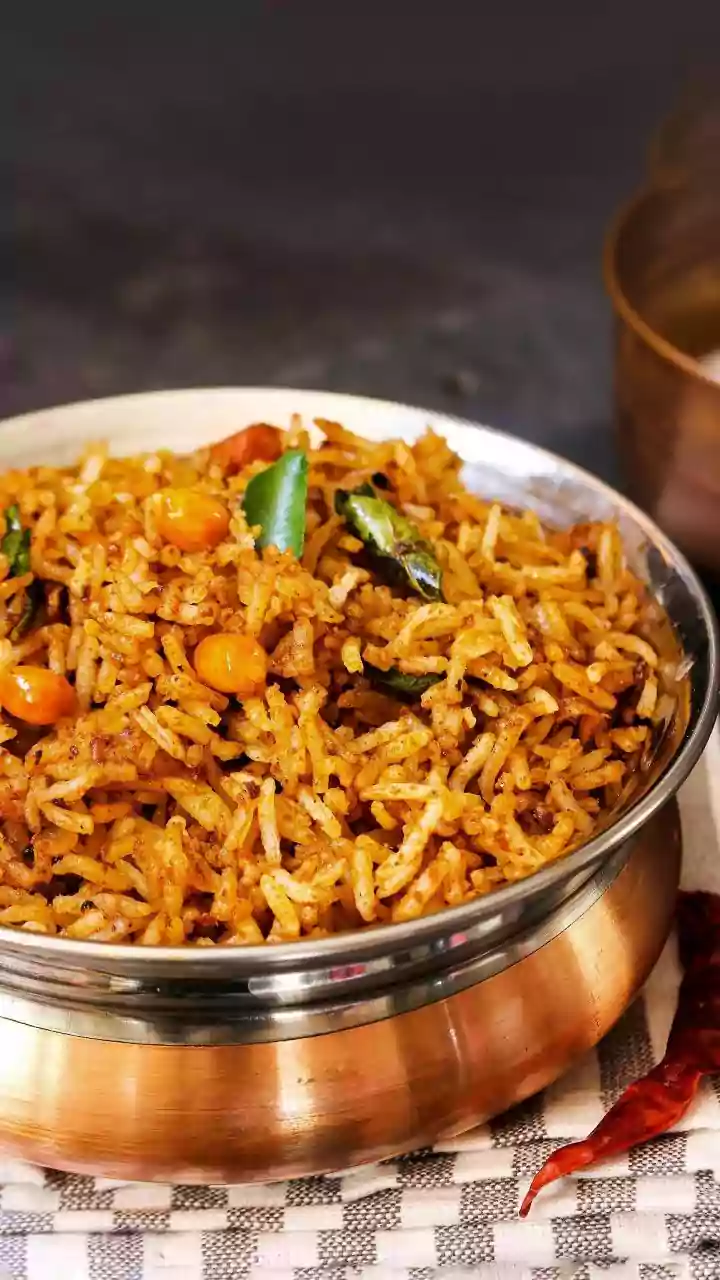
While its name ties it to the famous South Indian lentil stew, Sambar Podi (or powder) is an incredibly versatile spice blend that can do so much more. Made from a base of roasted coriander seeds, cumin, red chillies, and various lentils like chana and urad dal, it provides both flavour and a subtle thickness to dishes. Its profile is robust, earthy, and tangy. Instead of just making sambar, try adding a spoonful to a simple one-pot vegetable curry. Sauté mixed vegetables like carrots, beans, and bell peppers, add a can of diced tomatoes and a tablespoon of sambar powder, and let it simmer. The blend works beautifully in stir-fries, sprinkled over roasted potatoes, or even mixed into a simple tomato rice for a quick, flavour-packed meal.
The Finishing Touch of Punjabi Garam Masala
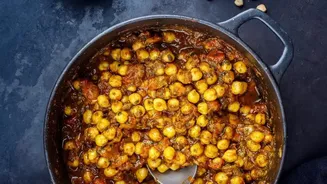
Not all Garam Masalas are created equal, and the Punjabi version is a testament to that. This is a 'warming' spice blend, both in flavour and in its Ayurvedic properties. Typically comprised of aromatic spices like cardamom, cloves, cinnamon, cumin, and black pepper, it's designed to be used as a finishing touch. Adding it too early can cause its delicate aromas to dissipate. To elevate a simple one-pot chickpea curry (chana masala), prepare your dish as usual with an onion-tomato base. Once the chickpeas are tender and the gravy has thickened, turn off the heat. Stir in a teaspoon of Punjabi Garam Masala and a sprinkle of dried fenugreek leaves (kasuri methi). Cover the pot for five minutes to let the aromas bloom. This final step adds a fragrant bouquet and a depth of flavour that instantly makes the dish taste more complex and complete.
Kashmir's Unique Ver Masala
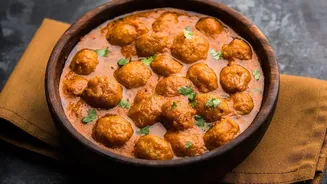
From the northernmost region of Kashmir comes Ver, a truly unique spice preparation. It’s not just a powder but a paste of spices, including Kashmiri red chillies, fennel, dried ginger, and garlic, that is mixed with mustard oil, formed into doughnut-shaped cakes, and sun-dried. This process creates a deeply complex flavour that cannot be replicated by simply mixing the ground spices. To use it, a small piece of the dried Ver cake is crumbled into a dish, often towards the end of cooking. It infuses gravies with a rich red colour and a signature pungent, aromatic flavour. Try crumbling a small amount into a simple one-pot potato or a yoghurt-based vegetable curry. The Ver dissolves, lending its unique character to the entire dish, creating a meal that is both comforting and deeply flavourful.