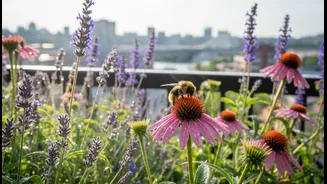



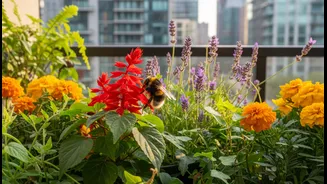
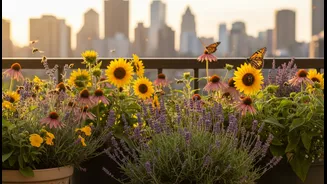


So, What's the Buzz About?
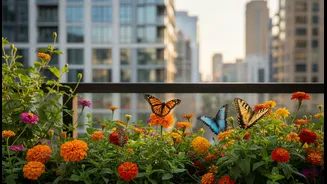
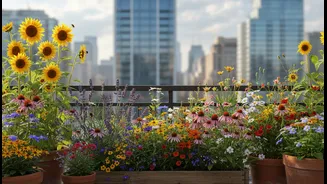
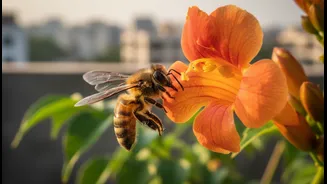
An urban pollinator garden is more than just a collection of pretty plants; it’s a purpose-driven space designed to support and attract pollinators like bees, butterflies, birds, and moths. In the concrete expanses of our cities, these gardens act as
vital pit stops, offering food (nectar and pollen) and shelter. The concept is simple: by choosing specific plants, even the smallest of spaces—a window box, a balcony, or a small patch on a terrace—can become a crucial resource for the tiny creatures that uphold our ecosystems. These gardens are a direct response to the decline in pollinator populations due to habitat loss and urbanization, turning our homes into micro-sanctuaries.
Why Now? The Urban Bloom
The trend has gained significant traction in India for several reasons. Post-pandemic life has fostered a renewed desire to connect with nature and make our living spaces greener. There's also a growing awareness of environmental issues, with many urbanites looking for tangible ways to make a positive impact. Initiatives across the country, from community-led projects in Bangalore to government-supported efforts in Coimbatore, are highlighting the importance of urban biodiversity. These gardens offer a powerful solution, allowing city dwellers to actively participate in conservation. They beautify spaces, improve mental well-being, and foster a sense of connection to the natural world, all from the comfort of home.
More Than Just Pretty Flowers
The ecological benefits of even a single pollinator garden ripple outwards. These gardens create green corridors, connecting fragmented habitats and allowing pollinators to move more freely through the urban landscape. This is critical because a staggering 75% of the world's flowering plants and about 35% of global food crops depend on animal pollinators. By supporting them, we are also supporting our own food security. In cities, these gardens improve local air quality, help in temperature regulation, and boost biodiversity. A thriving pollinator garden supports a complex web of life, proving that small, individual actions can collectively lead to significant environmental resilience.
Your Balcony Can Be a Buffet
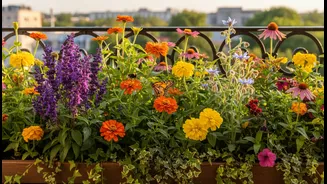
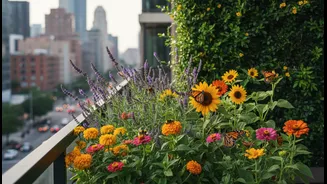
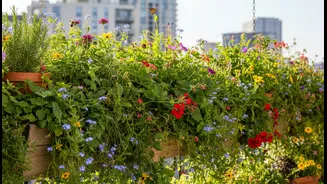
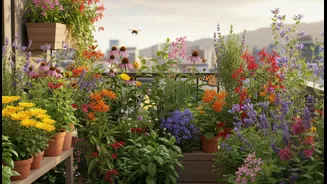
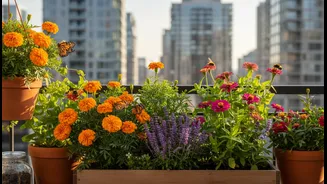
Starting your own pollinator haven is surprisingly simple, even with limited space. The key is to think vertically and choose your containers wisely. Railing planters, hanging baskets, and tiered pots can maximize a small balcony. First, observe your sunlight. Most flowering plants need at least 4-6 hours of sun. Next, provide a water source. A shallow dish filled with pebbles and water is a perfect and safe drinking spot for bees and butterflies. Finally, avoid chemical pesticides at all costs. These can be harmful to the very creatures you're trying to attract. Opt for organic fertilizers and natural pest control methods to keep your garden healthy and welcoming.
The Native Plant Playbook
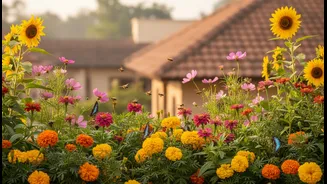
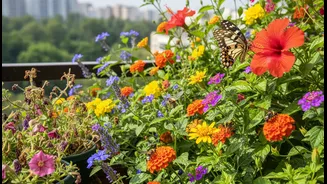
To create a truly effective pollinator garden, focusing on native plants is crucial. These plants have co-evolved with local pollinators and are best suited to the climate. For Indian gardens, there is a wealth of easy-to-grow, pollinator-friendly options. Brightly coloured Marigolds (Genda) are a top choice, attracting bees and butterflies with their nectar. The sacred Tulsi (Holy Basil) is another powerhouse, beloved by pollinators when it flowers. Other excellent choices include the Curry Leaf plant (Kadi Patta), various types of Jasmine (Chameli), Hibiscus (Gudhal), and Lavender. A mix of these plants will ensure a steady supply of blooms, providing food for pollinators throughout the seasons.