




Vehicle Readiness Is Non-Negotiable
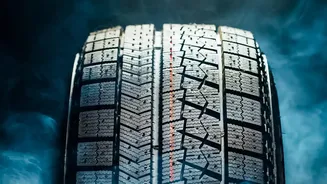
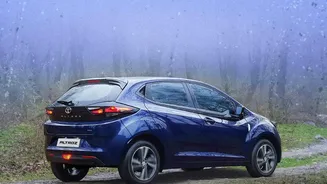
Before you even think about starting your journey, a thorough vehicle check is critical. Your car is your first and last line of defence against the elements. Pay special attention to your tyres; they are your only connection to the slippery road. Ensure
they have adequate tread depth and are inflated to the correct pressure to prevent hydroplaning. Next, inspect your brakes. Ghat descents put immense strain on them, and wet conditions increase stopping distances. Finally, check all your lights: headlights (low and high beams), taillights, brake lights, and especially fog lamps and hazard lights. Replace worn-out windshield wiper blades to ensure clear visibility during a downpour. A well-maintained vehicle is a prerequisite for a safe monsoon drive.
Plan Your Journey, Not Just Your Destination
Spontaneity has its charms, but not on a treacherous overnight drive. Avoid night driving if you can, as visibility is at its worst and help is harder to find. Before you leave, check the weather forecast and look for any warnings about your intended route, especially concerning heavy rainfall or landslides. Inform a friend or family member of your route and expected arrival time. Download offline maps, as mobile connectivity is often patchy in remote ghat sections. Filling up your fuel tank is also a wise move, as you may face long delays or detours. It’s also prudent to pack an emergency kit containing a powerful flashlight, a first-aid kit, a power bank, drinking water, and some non-perishable snacks.
Master the Art of Defensive Ghat Driving
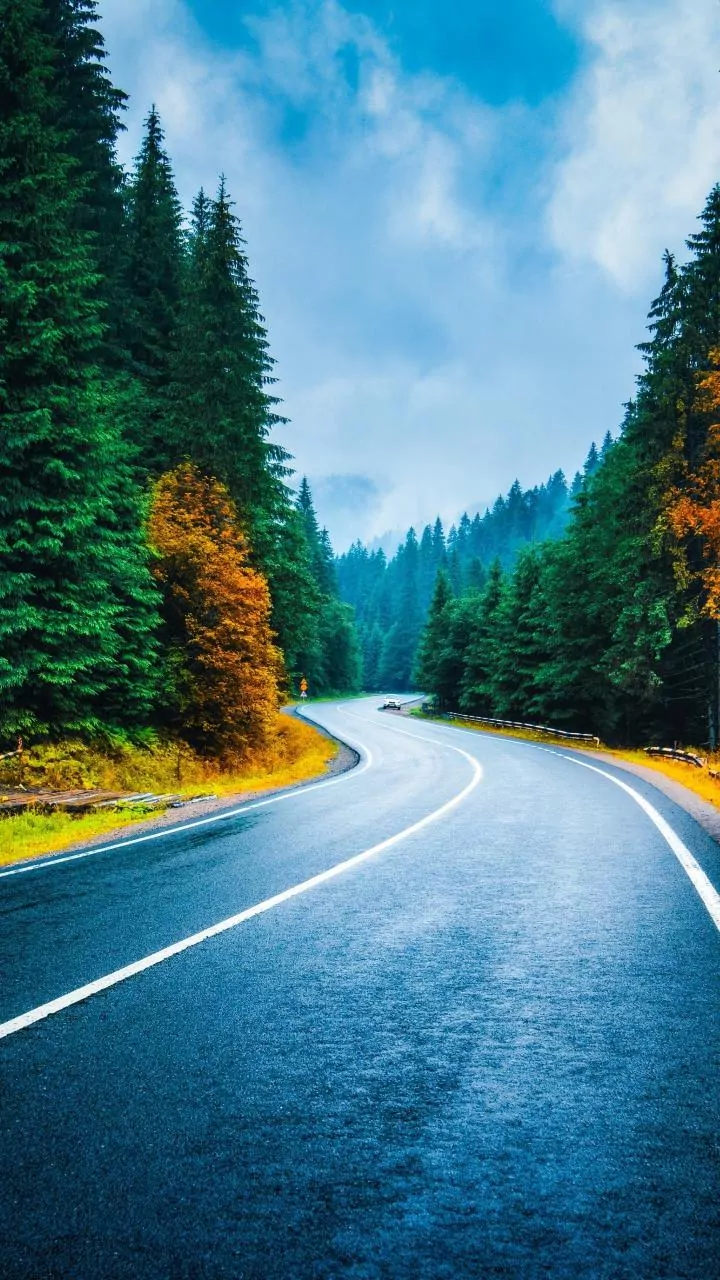
Driving on ghat roads requires a completely different mindset from cruising on a highway. The golden rule is to reduce your speed significantly. This gives you more time to react to sharp curves, potholes hidden by water, or unexpected obstacles. Maintain a much larger following distance than you normally would. When descending steep slopes, use engine braking by shifting to a lower gear. This prevents your brakes from overheating and fading. On blind curves, which are common in ghats, honk to alert oncoming traffic of your presence. Avoid using cruise control, as it can be dangerous on wet and winding roads where your speed needs to be constantly adjusted. Stay focused, minimize distractions like your phone, and keep both hands on the wheel.
Battling Low Visibility and Slippery Roads
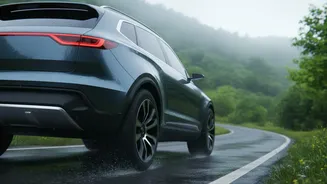
Mist and heavy rain can reduce visibility to almost zero in a matter of seconds. In such conditions, use your low beam headlights. High beams will reflect off the fog and rain, worsening your visibility. If you have fog lamps, now is the time to use them. If visibility becomes dangerously low, the safest action is to find a secure spot to pull over, well away from the road, and turn on your hazard lights. Wait for conditions to improve. Be wary of hydroplaning, where your tyres lose contact with the road surface on a layer of water. If you feel the car start to skid, do not panic and slam the brakes. Instead, ease your foot off the accelerator and steer gently in the direction you want to go until the tyres regain traction.
Know When to Stop: Reading the Danger Signs
No destination is worth risking your life. One of the biggest dangers in the ghats during the monsoon is landslides. Be alert for warning signs. These can include new cracks appearing on the road surface, leaning trees or utility poles, or the sound of rumbling debris or cracking rocks. Small rockfalls can often precede a larger slide. If you see any of these signs, do not proceed. Your best course of action is to turn back and find an alternate route or wait in a safe location. Similarly, never attempt to drive through fast-flowing water crossing the road; your car can be swept away in an instant. If you get stranded, stay in your vehicle, which offers protection, and call for help.