


Ditch Plastic Cutting Boards
Every time your knife slices across a plastic cutting board, it can shave off thousands of tiny plastic particles directly into your food. Studies have identified these boards as a significant source of microplastics in our diet. The grooves and scratches
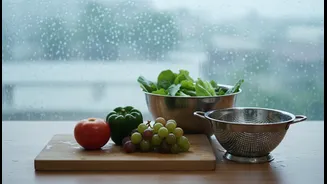
that form over time also become breeding grounds for bacteria. The fix is a simple, classic one: switch to a wooden or bamboo cutting board. Wood is naturally more resistant to deep gouges and even has some antimicrobial properties. When bacteria seep into the porous surface of the wood, they get trapped and eventually die off, making it a surprisingly hygienic choice with proper cleaning.
Rethink Your Food Storage
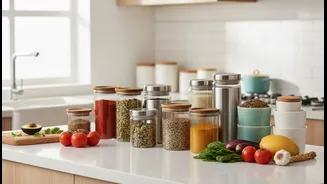
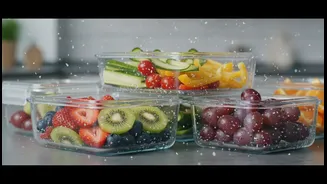
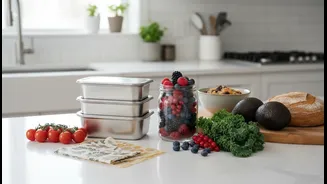
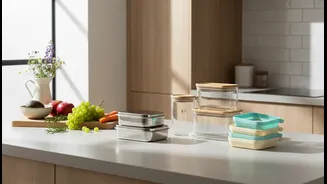
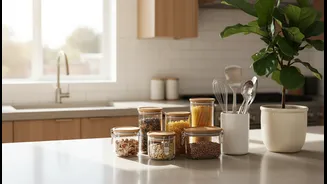
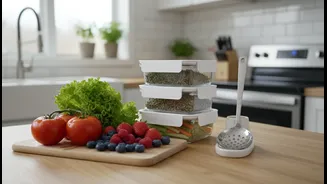
Plastic containers are convenient, but they come with risks, especially when they're old, scratched, or used for hot or oily foods. Chemicals can leach from the plastic into your leftovers. The best makeover here is to replace your plastic dabbas and containers with alternatives like glass or stainless steel. These materials don't stain, absorb odours from masalas, or release particles into your food. For wrapping rotis or covering bowls, consider swapping plastic cling film for reusable beeswax wraps or simple cloth covers, which are both effective and eco-friendly.
Upgrade Your Cookware
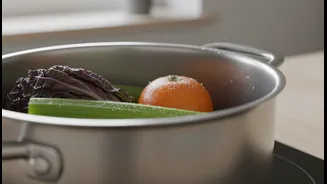
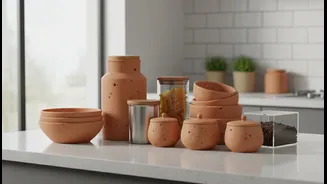
Non-stick pans coated with materials like Teflon are a major culprit for releasing microplastics, especially when scratched or overheated. A single scratch can release thousands of particles into your meal. A fantastic and healthy upgrade is to invest in cast iron, stainless steel, or ceramic cookware. Indian kitchens traditionally used cast iron for its durability and even heating, and it remains one of the safest cooking surfaces available. Stainless steel is another non-reactive and durable workhorse perfect for dals, curries, and everyday cooking. Ceramic-coated pans offer a non-stick experience without the plastic polymers.
Swap Out Plastic Utensils
Plastic spatulas, spoons, and whisks might seem harmless, but they can degrade, melt, or shed particles when used with hot food. This is especially true in Indian cooking, where high-heat tadkas and long simmers are common. Making the switch to wooden or stainless steel utensils is an easy and affordable change. Neem wood or teakwood spatulas are naturally durable and won't scratch your pans, while stainless steel ladles and turners are hygienic and will last a lifetime.
Mind Your Water Source
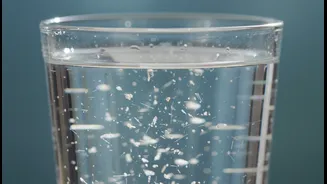
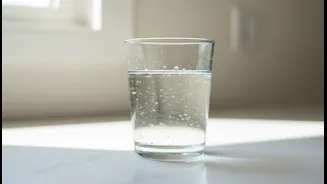
While not strictly a 'makeover', changing how you consume water can drastically cut your microplastic intake. Studies have shown that bottled water contains significantly higher levels of microplastics than tap water. Instead of buying plastic water bottles, invest in a good quality water filter for your home and use reusable stainless steel or copper bottles. Not only is this a healthier choice, but it also reduces single-use plastic waste and brings back a traditional Indian practice of storing water in metal vessels.
Choose Natural Cleaning Tools
Even the way you clean can contribute to the problem. Those common green and yellow synthetic sponges shed microplastic fibres down the drain with every wash. A simple but effective swap is to use natural fibre scrubbers made from coconut coir or loofah. These are widely available, work just as well for cleaning utensils, and are fully biodegradable. It's a small change that helps keep microplastics out of our waterways and, ultimately, out of our food chain.