



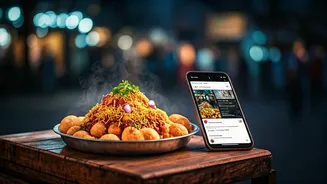




From Local Favourite to Viral Sensation
In the bustling lanes of India, a new kind of celebrity is rising. They don't walk red carpets, but they do command crowds. They are the street food vendors who, often with the help of food vloggers, have become digital stars overnight. A single well-shot
video on Instagram Reels or a feature on a popular YouTube food channel can transform a small, unassuming stall into a must-visit destination. [5] This phenomenon is levelling the playing field, giving small entrepreneurs access to the kind of mass promotion that was once reserved for large restaurant chains. [2, 5] Food bloggers and influencers, with their millions of followers, act as powerful amplifiers, putting vendors on the map with a single post. [5, 6]
The Power of a Viral Video
The journey from a neighbourhood fixture to a viral star often begins unexpectedly. A food vlogger might document a vendor's unique recipe, their charismatic personality, or simply the deliciousness of their food. [3] This content, which highlights the authenticity and heritage of Indian street food, resonates deeply with online audiences. [13] Suddenly, a vendor who has been serving the same community for decades finds their customer base expanding exponentially. People travel across cities, queue for hours, and share their own experiences online, creating a ripple effect that turns a small business into a local landmark. While not all interactions are positive, the overall trend shows a significant boost in popularity and business for many vendors featured in these vlogs. [12]
More Than Just Likes: The Economic Ripple Effect
This newfound fame is more than just a collection of likes and shares; it has a tangible economic impact. [8] For many vendors, a viral video translates directly into a dramatic increase in sales, sometimes doubling or tripling their daily income. [13] This digital exposure serves as a powerful, cost-effective marketing tool, a lifeline for small businesses in the informal economy. [3, 2] As their popularity grows, some vendors are able to expand their operations, hire help, or even invest in better equipment. This transformation showcases how social media can be a powerful engine for economic empowerment, turning small-scale entrepreneurs into success stories. [3]
The Community's New Digital Hub
Beyond the economics, this trend is reshaping the social fabric of neighbourhoods. The vendors become more than just a place to eat; they become a point of community pride and a digital gathering spot. [3] Social media platforms facilitate direct communication between vendors and a global audience, fostering a sense of community and loyalty. [3] Customers who discover a vendor online feel a personal connection, often engaging with their stories and behind-the-scenes content. [5] These vendors, in turn, become hyperlocal influencers whose reputation for authenticity and quality builds a level of trust that polished marketing campaigns often struggle to achieve. They are the guardians of culinary tradition, now sharing their stories with the world, one plate at a time. [13, 10]
The Authenticity Algorithm
So, what makes these stories so compelling? The answer lies in authenticity. In a digital world saturated with perfectly curated content, the raw, unfiltered reality of a street food stall is refreshingly genuine. [21] Viewers are drawn to the vendors' passion, the history behind their recipes, and the vibrant chaos of the Indian street. [17] This isn't just about the food; it's about the story, the struggle, and the human connection. [15] These vendors are not just selling snacks; they are offering an authentic cultural experience, which has become a rare and valuable commodity in the digital age. This trend has also put Indian street food on the global culinary map, celebrating its diversity and sensory appeal for an international audience. [3]