

What is Slow Travel, Really?
At its heart, slow travel is a mindset. It’s a conscious decision to connect more deeply with a single place rather than skimming the surface of many. Originating from the 'slow food' movement in Italy, which championed local cuisine over fast food, this
travel philosophy applies the same principles to our journeys. It prioritises experience over speed, connection over conquest, and sustainability over spectacle. Instead of asking 'How much can I see?', the slow traveller asks, 'How deeply can I experience this place?'. This means choosing to stay put, whether it's renting an apartment for a few weeks, using local transport like trains, or simply leaving afternoons unplanned to allow for spontaneous discovery. It is a cultural revolution against the idea that faster is always better, encouraging us to savour the hours and minutes rather than just count them.
Moving Beyond the 'Must-See' List
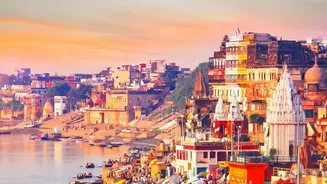
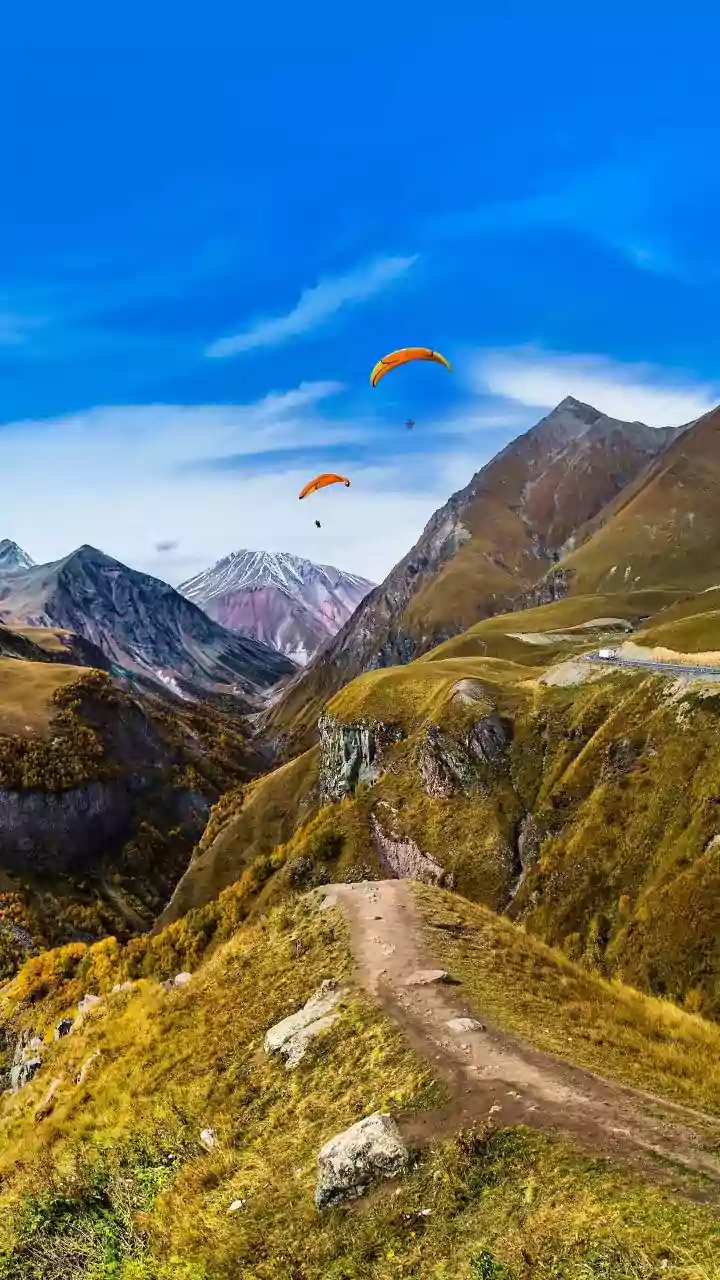
Mass tourism often revolves around a handful of 'must-see' landmarks concentrated in major global cities. This creates a frantic race to tick off sights, leaving little time for anything else. Slow travel deliberately breaks this cycle. By rejecting the pressure to 'see everything', travellers are freed from the well-trodden tourist trail. This liberation naturally opens the door to exploring smaller, lesser-known destinations that are often overlooked in a conventional itinerary. When the goal is no longer to collect photos of famous monuments but to understand the rhythm of daily life, a quiet town in the countryside becomes just as appealing, if not more so, than a bustling capital. It allows for unexpected discoveries that are often missed when rushing.
The Simple Economics of Staying Put
One of the most practical drivers behind longer stays in smaller places is cost. Constant movement is expensive; flights, high-speed trains, and nightly hotel changes add up quickly. By contrast, settling in one location for an extended period significantly reduces transportation costs. Furthermore, smaller towns and villages generally have a lower cost of living than major tourist hubs. Renting a local apartment or staying in a family-owned guesthouse for a month can often be more economical than a single week in a hotel in a capital city. This financial logic makes longer, more immersive trips accessible to a wider range of people, guiding them toward destinations where their budget stretches further and their stay can be longer.
Fostering Deeper, More Authentic Connections
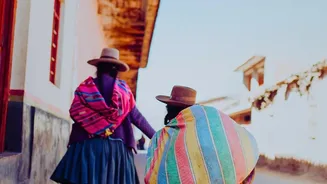
A fleeting visit rarely allows for genuine human connection. You might interact with a ticket vendor or a waiter, but these exchanges are transactional. Staying longer in one place, especially a smaller one, changes this dynamic completely. It creates opportunities to build relationships with local shopkeepers, market vendors, and neighbours. You start to recognise faces, learn local customs, and feel like a temporary part of the community rather than just an observer. This level of immersion is the core reward of slow travel. It transforms a trip from a series of sights into a collection of meaningful memories and a deeper understanding of a different way of life, which is more readily available away from the anonymity of a big city.
A Sustainable Boost for Local Economies
The slow travel model provides a more sustainable form of economic benefit for host communities. Unlike mass tourism, where profits are often funnelled to large, international corporations, slow travellers are more likely to spend their money at locally-owned businesses. By staying longer, they contribute more consistently to the local economy, supporting small restaurants, independent artisans, and neighbourhood grocery stores. This approach helps distribute tourism revenue more evenly and reduces the strain on 'over-toured' destinations. By encouraging visitors to stay for weeks instead of hours, smaller destinations receive a steady, manageable flow of income that supports sustainable growth and helps preserve the very culture that makes them attractive.