





The Cloud Kitchen Advantage
The rise of the cloud kitchen, or delivery-only restaurant, has fundamentally changed the food industry. With no need for expensive high-street locations or customer-facing staff, these digital-first kitchens operate with lower overheads. This lean model
creates the perfect environment for experimentation. It allows chefs and entrepreneurs to launch niche concepts and test unique menus without the massive financial risk of a traditional restaurant. While many cloud kitchens focus on mainstream cuisines, a growing number are using the model to introduce hyper-regional and specialised food concepts to a wider audience. This is proving to be the ideal launchpad for cuisines based on indigenous ingredients, which require careful sourcing and storytelling—elements that thrive in a focused, delivery-centric format. The model allows them to reach curious customers directly through food delivery apps, bringing once-inaccessible flavours straight to their homes.
Rediscovering India’s Forgotten Pantry
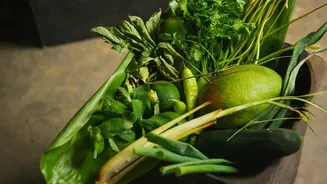
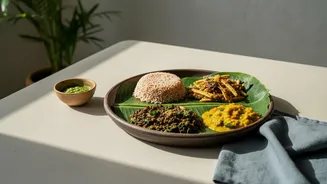
For generations, tribal communities have cultivated and foraged a vast pantry of ingredients that are deeply attuned to their local ecosystems. Many of these are now being hailed as superfoods. Ingredients like the fragrant black sticky rice from Tamil Nadu, known as ‘kavuni arisi’, are finding a new audience for their nutty flavour and health benefits. The flowers of the mahua tree, traditionally used to make a festive brew, are being reimagined in sweet and savoury dishes like kheer. Foraged wild mushrooms, various types of millets, and seasonal leafy greens like ‘futkul’ are also moving from remote village markets to urban menus. These ingredients offer more than just novelty; they provide earthy, complex flavours and a direct connection to India's rich biodiversity. For example, dishes from Jharkhand might feature the subtle taste of jirhul flowers in a mash, while chutneys from Chhattisgarh can get their sharp, tangy kick from red ants, a traditional delicacy known as chaprah.
The Entrepreneurs Bridging Worlds
This culinary movement is being driven by passionate entrepreneurs who see themselves as cultural bridges. Many work directly with Adivasi communities to establish ethical and sustainable supply chains. Brands and collectives are focusing on sourcing directly from tribal farmers and foragers, ensuring they receive fair prices and cutting out intermediaries. This approach is about more than just commerce; it's about partnership and respect for ancestral knowledge. Entrepreneurs often travel to remote villages to learn about traditional cultivation and harvesting techniques, which are inherently regenerative. For instance, some harvesting methods involve thinning plants in a way that promotes their growth. These founders are building a value chain that not only supports tribal livelihoods but also helps preserve the ecological wisdom that has sustained these communities for centuries.
A Taste of Tradition, Reimagined
While the ingredients are ancient, their presentation is often contemporary. Chefs are adapting traditional recipes for the modern palate and the practicalities of a delivery format. You might find a simple, wholesome dish like ‘dhuska’—a fried pancake of rice and lentils from Jharkhand—offered as a satisfying snack with a spicy chutney. Smoked meats and fish cooked in bamboo, a technique popular in Nagaland and Odisha, lend a deep, earthy flavour that travels well and offers a unique unboxing experience. Millet-based flatbreads like ‘thapdi roti’ are being positioned as nutritious alternatives to wheat. The goal is not to dilute the authenticity but to make it accessible. By thoughtfully curating menus and using modern plating, even within a delivery box, these kitchens are presenting tribal food not as a rustic novelty but as a sophisticated and desirable culinary experience.
More Than Just a Meal
Choosing a meal from one of these kitchens is about more than just satisfying hunger; it is a conscious act of consumption. This trend supports the economic empowerment of tribal communities, providing a dignified market for their produce and knowledge. It also promotes biodiversity by creating demand for heirloom crops and indigenous plants that might otherwise be forgotten. However, it is crucial that this trend is managed responsibly. As these ingredients become more popular, there's a risk that increased demand could drive up local prices, potentially making these traditional foods less accessible to the very communities that have cultivated them for generations. The most ethical ventures are those that prioritise community benefit over pure profit, ensuring that the popularisation of these foods leads to empowerment, not exploitation. For the urban diner, it's an opportunity to enjoy a meal that is not only delicious and healthy but also carries a powerful story of culture, sustainability, and connection.