



What is the Hidden Lotus Pose?
The Hidden Lotus Pose, known in Sanskrit as Baddha Padmasana or Gupta Padmasana, is an advanced seated posture. It begins in the classic Padmasana (Lotus Pose), where each foot is placed on the opposite thigh. From there, the practitioner wraps their
arms behind their back to catch hold of the big toes of the opposite feet—the right hand holds the right big toe, and the left hand holds the left. This creates a 'bound' or 'locked' shape, which challenges the body on multiple levels. It is considered an advanced asana primarily because it layers a deep hip-opening with an intense shoulder and chest stretch, requiring significant pre-existing flexibility to even attempt safely.
The Twin Pillars: Mobility and Balance
The headline of this pose is its extreme demand on mobility, particularly in the hips and shoulders. To achieve the foundational Lotus Pose, the hips need profound external rotation—the ability to turn the thigh bone outwards from the hip socket. Forcing this movement from the knee is a common cause of injury, making deep hip flexibility non-negotiable. Simultaneously, the 'baddha' or bound aspect requires significant shoulder mobility, specifically internal rotation and extension, to wrap the arms behind the back and grasp the toes. Balance is the second pillar. While it's a seated pose, maintaining an upright, elongated spine while in this complex bind requires immense core strength and stability. The body’s center of gravity is challenged, and practitioners must engage their core muscles to prevent rounding the back or losing posture.
More Than Just a Stretch: The Benefits
Practitioners who can safely perform Baddha Padmasana may experience a range of benefits. Physically, it provides an intense stretch for the hips, knees, ankles, shoulders, and back. This action can improve overall flexibility and range of motion. The chest-opening nature of the pose can counteract the rounded shoulders that often result from prolonged sitting. Furthermore, some yoga traditions believe the pose stimulates abdominal organs, potentially aiding digestion and strengthening reproductive organs by increasing blood flow to the pelvic region. Mentally, the focus required to enter, hold, and exit the pose fosters deep concentration and body awareness, making it a powerful preparatory asana for meditation.
A Word of Caution: Risks and Contraindications
Baddha Padmasana is not a pose for everyone and should be approached with respect and caution. It is strongly contraindicated for individuals with knee, ankle, hip, or shoulder injuries. Attempting the pose without sufficient hip mobility can put dangerous torque on the knee joints, risking meniscus tears and other ligament damage. People with sciatica or significant back problems should also avoid this pose, as the deep rotation and potential forward fold can aggravate nerve pain. It is always recommended to learn this pose under the guidance of a qualified yoga instructor who can assess your readiness and provide safe modifications. Forcing your body into the posture is a recipe for injury.
Building Your Foundation: The Path to the Pose
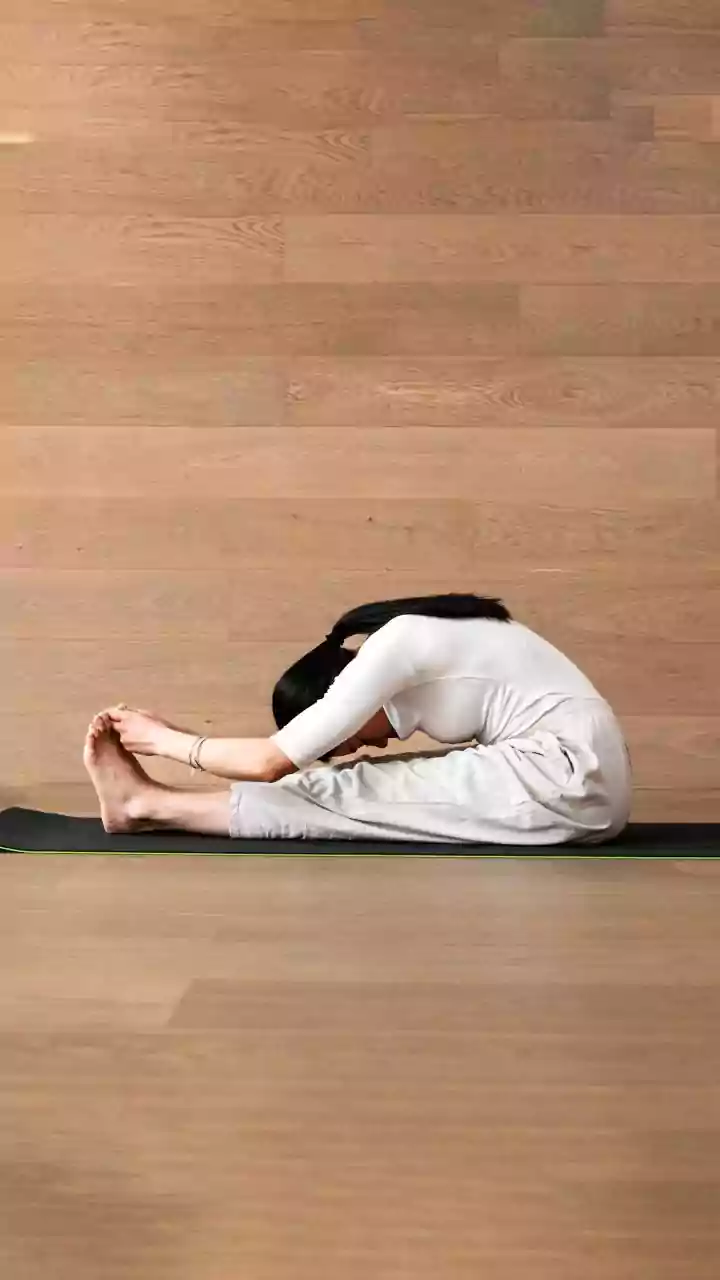
Instead of aiming for the final pose immediately, the journey involves mastering its components. To build the necessary hip flexibility for Padmasana, practitioners can work on preparatory poses like Baddha Konasana (Bound Angle Pose), Janu Sirsasana (Head-to-Knee Pose), and Agnistambhasana (Fire Log Pose). These asanas safely encourage external hip rotation. For the shoulder bind, practicing Gomukhasana (Cow Face Pose) arms and holding a strap behind the back to mimic the binding action can gradually increase shoulder mobility. Working on Half Lotus (Ardha Padmasana), where only one foot is placed on the opposite thigh, is an excellent and much safer intermediate step. The focus should be on pain-free progress, listening to your body's limits every step of the way.