


The Rise of a Green Icon
The caffeine landscape in India's urban centres is undergoing a fascinating transformation. For years, coffee, in its various forms—from traditional filter coffee to frothy cappuccinos and, more recently, chilled iced lattes—has dominated the cafe scene.
It became the default fuel for students, young professionals, and creatives. But a new beverage is steadily capturing the attention of millennials and Gen Z: matcha. Once a niche product found only in specialty stores, this powdered Japanese green tea has exploded into the mainstream, appearing on the menus of major chains and independent cafes across cities like Delhi, Mumbai, and Bangalore. This isn't just about trying a new flavour; it represents a deeper shift in consumer values, where wellness, aesthetics, and the daily ritual of a drink are becoming just as important as the energy boost it provides.
Wellness in a Cup
One of the biggest drivers behind matcha's popularity is its reputation as a 'superfood'. Unlike coffee, which is often associated with a sharp, frantic burst of energy followed by a crash, matcha offers a different proposition. It contains an amino acid called L-theanine, which works in synergy with caffeine to promote a state of 'calm alertness'. This unique combination provides a sustained energy boost without the jitters or anxiety that some people experience with high-caffeine coffee. For a generation increasingly focused on mental well-being and mindful consumption, this is a significant selling point. The narrative around matcha is one of balanced energy and focused productivity, which resonates deeply with young urbanites juggling demanding careers and personal lives.
An Aesthetic Statement
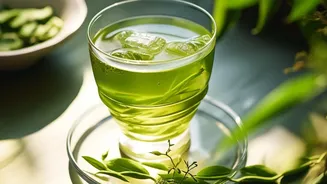
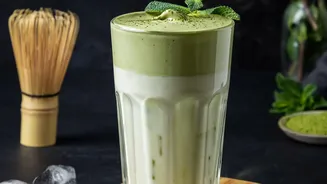
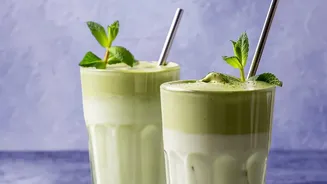
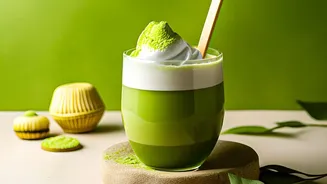
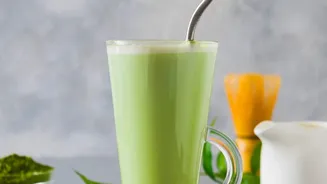
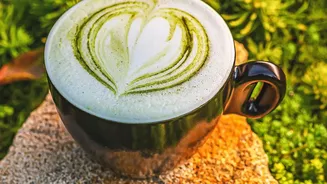
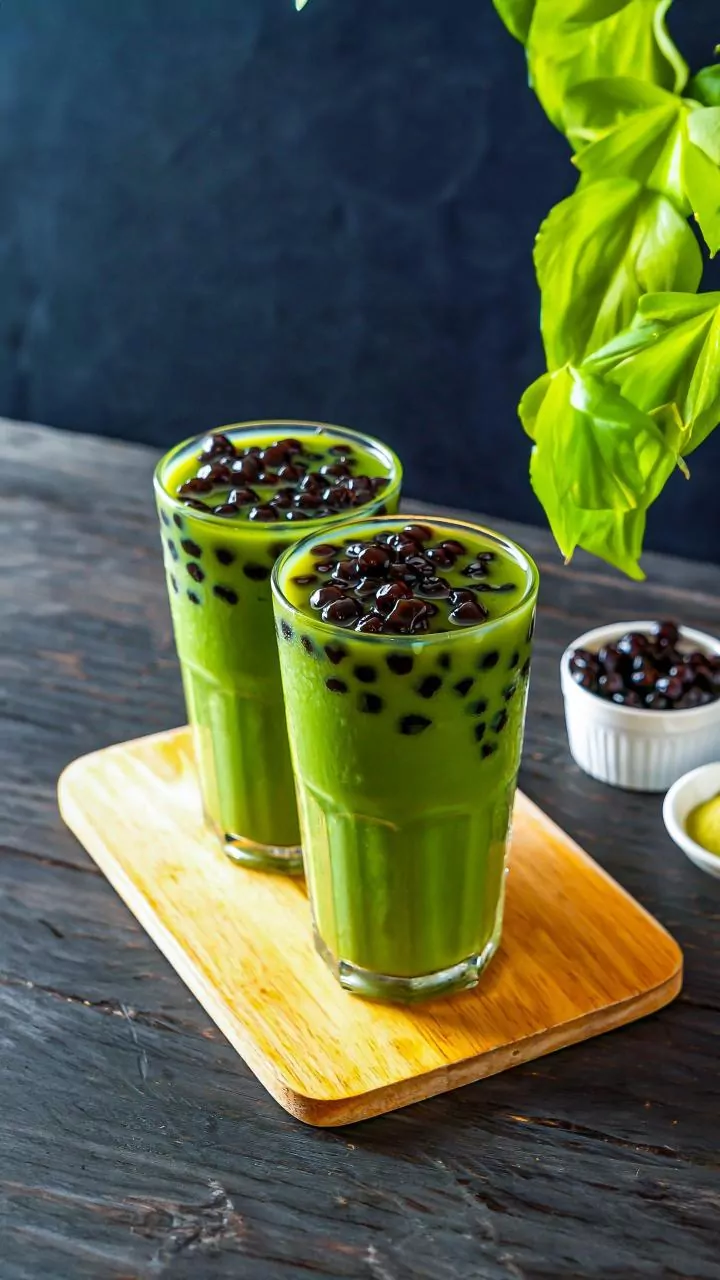
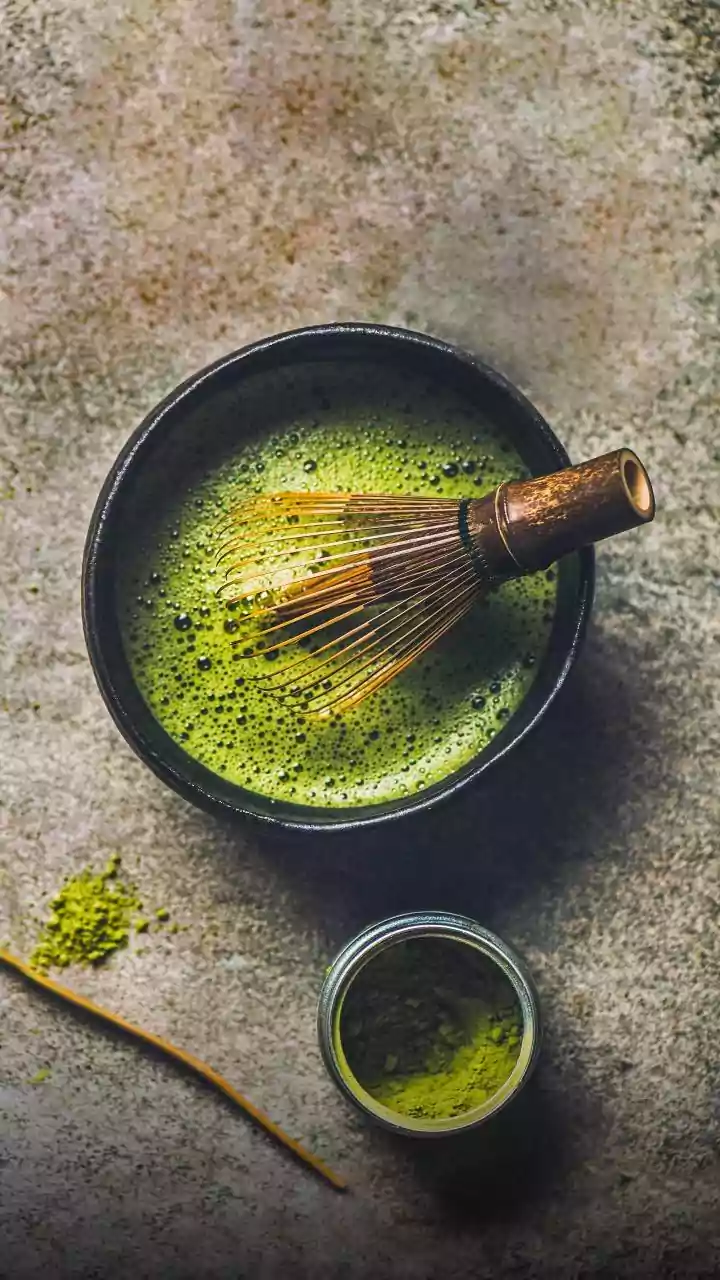
In the age of social media, what we consume is also a form of self-expression, and matcha is undeniably photogenic. Its brilliant green hue makes for a visually striking beverage that stands out on an Instagram feed. Cafe owners report that a significant percentage of matcha orders are driven by its 'gram-worthy' appeal. This visual allure is a key part of the experience. Ordering a matcha latte has become a lifestyle flex, a symbol that one is in tune with global wellness and aesthetic trends. It's more than just a drink; it's part of a curated identity, signalling mindfulness, health-consciousness, and a sophisticated palate.
The Allure of the Artisanal
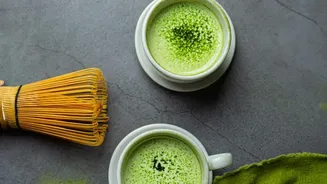
The term 'artisanal' in the headline is crucial. The third-wave coffee movement paved the way by teaching consumers to appreciate craft, origin, and preparation methods. This appreciation has seamlessly transferred to matcha. Preparing matcha is a ritual—from sifting the powder to whisking it into a smooth, frothy liquid. This sense of craft and ceremony offers a stark contrast to the often impersonal, grab-and-go nature of iced coffee. It transforms a simple beverage break into a mindful moment. Cafes are leaning into this, offering everything from classic matcha lattes with oat milk to more inventive concoctions like matcha-yuzu tonics, all of which highlight the drink's versatility and premium positioning.
Is Coffee Culture Fading?
While matcha is certainly having a moment, it's not signalling the end of coffee. The Indian coffee market, especially the specialty sector, continues to grow robustly. Rather than a replacement, matcha is emerging as a powerful alternative and a complementary choice. Many young consumers now alternate between the two, choosing coffee for a powerful morning kick and matcha for a focused afternoon session. The rise of matcha is less about the decline of coffee and more about the expansion of consumer choice. Urban youth are no longer looking for a single, one-size-fits-all energy source. They are building a portfolio of beverages to suit different moods, needs, and times of the day, from a high-intensity espresso to a calming matcha latte.