






Early Bird or Night Owl? Understanding Chronotypes
A chronotype is your body's natural inclination to sleep and wake at certain times. It's governed by your internal biological clock, or circadian rhythm, and it's largely influenced by genetics. While most people know whether they feel more productive
in the morning (larks) or late at night (owls), this internal timing affects more than just your energy levels. It also influences your appetite, core body temperature, and hormone release. People with a late chronotype, or 'night owls', often struggle with conventional 9-to-5 schedules. This mismatch between their internal clock and social obligations can lead to a phenomenon known as 'social jetlag', where their weekday and weekend sleep schedules are significantly different. This chronic misalignment is increasingly being studied for its widespread health effects.
The Gut Microbiome Connection
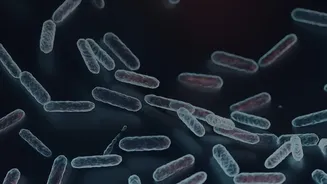
Your gut is home to trillions of microorganisms, collectively known as the gut microbiome, which play a crucial role in digestion, immunity, and even mental health. Research now shows a compelling link between a person's chronotype and the composition of these gut bacteria. Studies have found that individuals with a late chronotype or those experiencing social jetlag have a different gut bacterial profile compared to early birds. Specifically, research has observed lower diversity in gut bacteria and a reduction in beneficial microbes in night owls. Even a 90-minute shift in the midpoint of sleep between workdays and free days has been associated with measurable differences in gut bacteria species. Some of the bacteria more abundant in late chronotypes are linked to poorer diet quality and inflammation.
Metabolic Health at Risk
So, what do these changes in gut bacteria mean for your health? The evidence points toward a significant impact on metabolism. Late chronotypes appear to have a higher risk of metabolic disorders like obesity, type 2 diabetes, and cardiovascular disease. The disruption in the gut microbiome is seen as a key mediator in this relationship. Unfavourable gut bacteria can contribute to a 'leaky gut', a condition where the intestinal barrier is compromised, allowing substances to enter the bloodstream and trigger low-grade systemic inflammation. This inflammation is a known contributor to insulin resistance, a condition where cells don't respond well to insulin and can't easily take up glucose from the blood, a hallmark of metabolic dysfunction.
It's All in the Timing
A major factor contributing to these health risks is the timing of meals. People with a late chronotype often eat their meals later in the day, sometimes late into the night. This eating pattern is out of sync with the body’s natural circadian rhythms, which prepare our metabolism to process food most efficiently during daylight hours. Eating late at night, when the body is biologically preparing for sleep, can disrupt these metabolic processes. Furthermore, studies show that people with social jetlag often have poorer dietary habits, consuming more sugary drinks and fewer fruits and nuts, which can further negatively impact the gut microbiome and overall health.
Can Night Owls Improve Their Health?
While your chronotype is largely genetic, it's not a life sentence for poor health. Experts suggest that lifestyle adjustments can help mitigate the risks associated with being a night owl. Maintaining a consistent sleep schedule, even on weekends, is one of the most effective strategies to reduce social jetlag. Aligning meal times with daylight hours and avoiding large meals late at night can also support metabolic health by working with your body's circadian rhythm, a practice known as chrono-nutrition. Increasing fibre intake can nourish beneficial gut bacteria. Finally, getting plenty of natural light exposure in the morning can help to slightly shift your internal clock earlier, making it easier to align with a typical daytime schedule.