





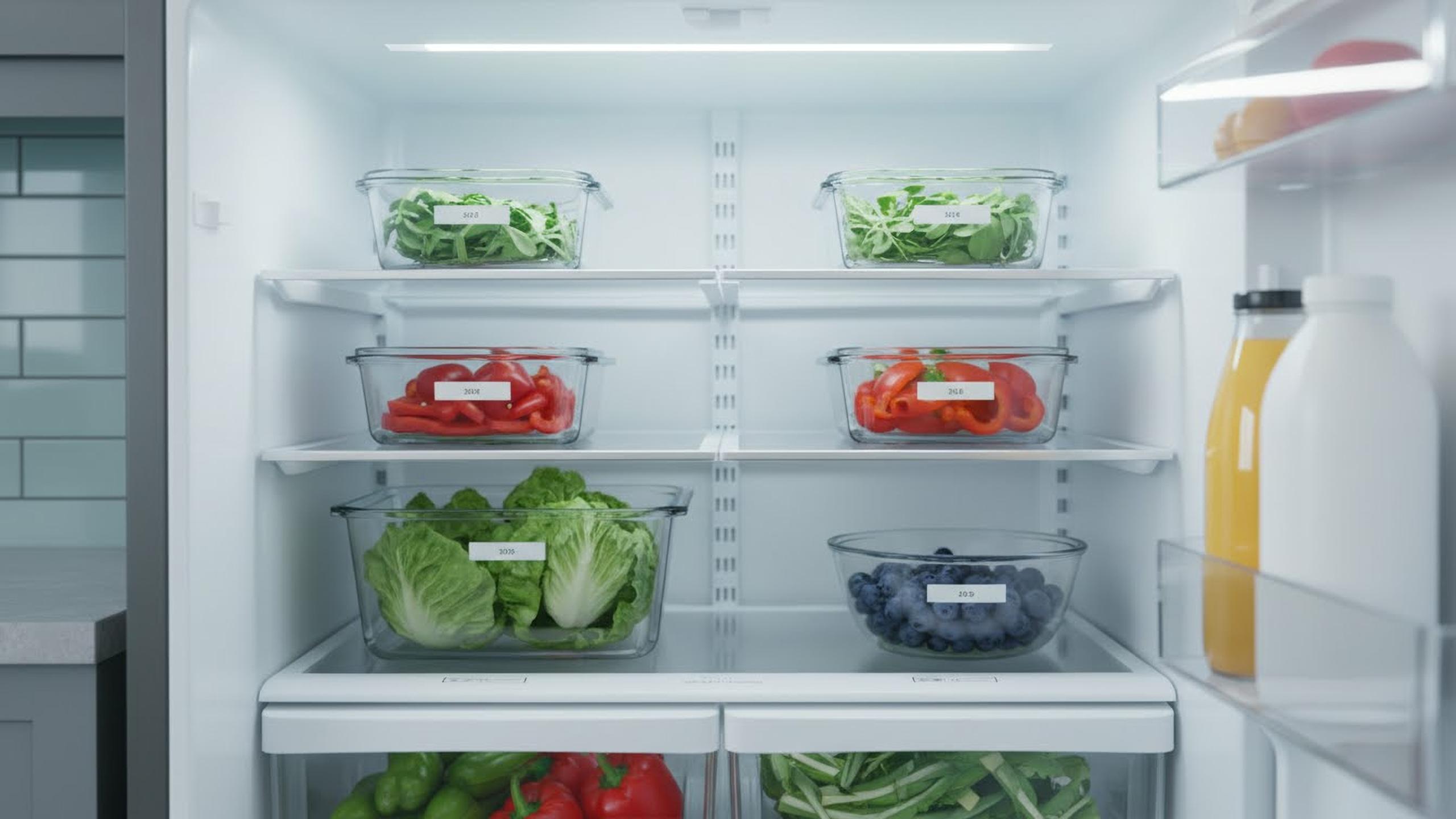
The 'Golden Zone' of Organization
Professional organizers and ergonomists refer to the area between your waist and shoulders as the 'golden zone' or 'strike zone'. This is the most efficient and comfortable area for your body to reach, grab, and lift items. Storing things here requires
minimal bending, stretching, or twisting, which reduces physical strain on your back, neck, and shoulders. Think about how retailers place their most popular or high-value products at eye level on a shelf; they do this because it's where shoppers naturally look and what is easiest to grab. Applying this same logic to your home makes everyday tasks feel less like a chore and more like a seamless part of your day.
The Science of a Simpler Life
The benefits of this organizational strategy go beyond physical comfort. When your most-used items are exactly where you expect them to be, it reduces decision fatigue. Instead of scanning high and low for the olive oil, your brain already knows where to guide your hand. This conservation of mental energy, multiplied across dozens of small actions each day, creates a calmer and more efficient home environment. Ergonomically, lifting from this mid-body height is far safer. Lifting heavy objects from the floor forces you to bend your back, while reaching for them on a high shelf can strain your shoulders. By keeping heavier, frequently used items like a stand mixer or a stack of plates within this zone, you minimize the risk of injury.
In the Kitchen: A Recipe for Efficiency
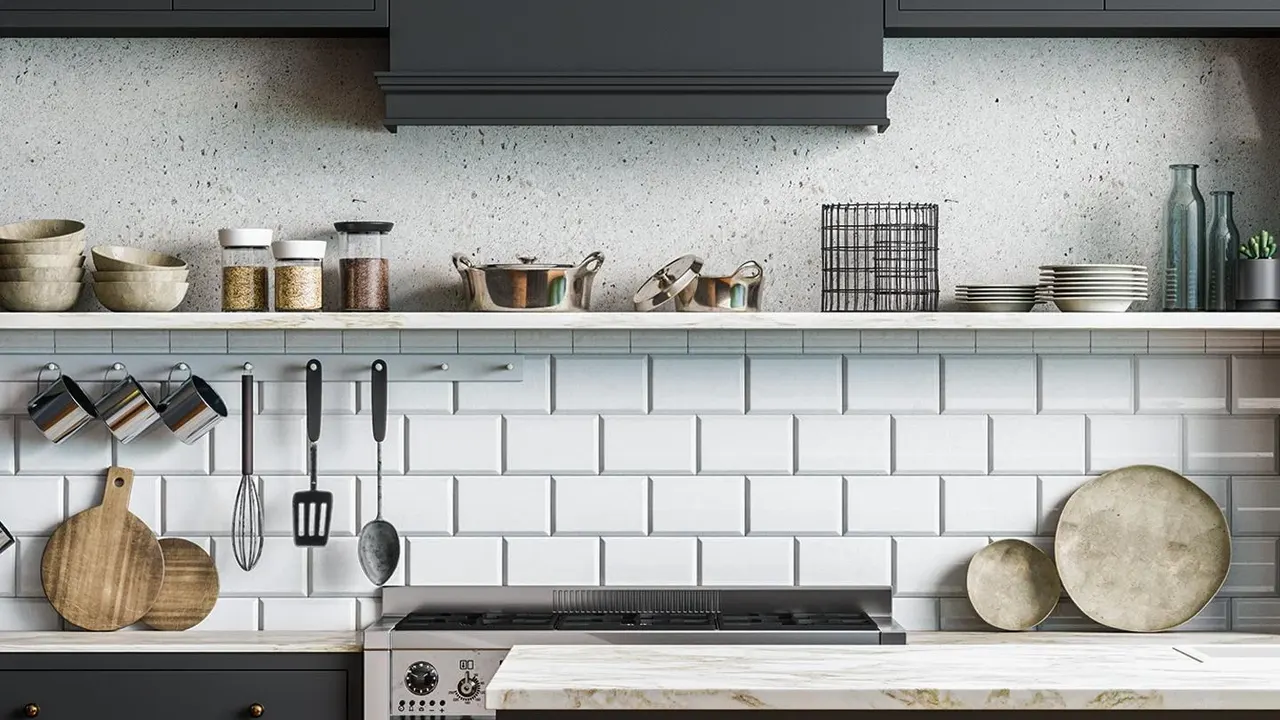
The kitchen is arguably the most important room to apply this principle. Your daily-use items—plates, bowls, glasses, and mugs—should live on shelves at or just below eye level. Spices, oils, and cooking utensils should be in a drawer, rack, or cabinet right next to your prep area, all within easy reach. Consider pull-out drawers for base cabinets to bring pots and pans towards you, eliminating the need to crouch and dig into a dark corner. Items you use less frequently, like a large serving platter for holidays or specialty baking equipment, can be stored on the highest shelves or in lower cabinets. The goal is to make your most common cooking and cleaning tasks require as few steps and as little strain as possible.
Beyond the Kitchen: Closets, Offices, and Bathrooms
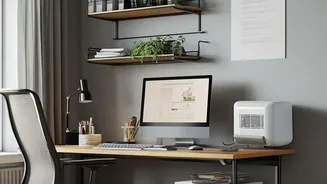
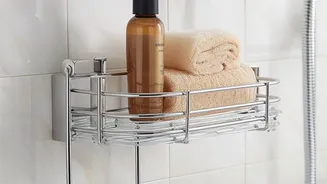
This principle is just as effective in other areas of your home. In your wardrobe, place folded sweaters, T-shirts, and trousers on shelves that sit between your waist and chest. Use drawers for smaller items and hang your most-worn jackets and shirts where they are easiest to see and grab. Seasonal clothing or formal wear can occupy the higher and lower spaces. In a home office, your most-used supplies—pens, notebooks, and chargers—should be within arm's reach on your desk or in the top drawer. Books you reference often should be at eye level on a shelf. In the bathroom, daily toiletries like your toothbrush, skincare, and contact lens solution should be on the counter or in the top drawer of a vanity, not buried in a deep cabinet.