






The Science Behind the Sunshine
Before we dive into the destinations, let's understand the 'hack'. The term 'rain shadow' describes a dry area on the leeward side of a mountain range—the side protected from the wind. As moisture-laden monsoon clouds travel from the sea, they are forced
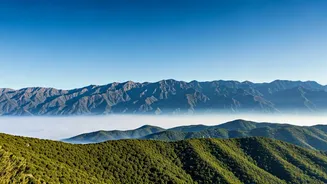
to rise by the mighty Himalayas. This ascent causes the clouds to cool and release all their rain on the windward side. By the time the air crosses the high peaks and descends on the other side, it has lost its moisture. This process leaves the regions on the far side, like Ladakh and Spiti, spectacularly arid and sunny, creating what is known as a cold desert climate. It's a simple geographic trick that makes these places perfect for a monsoon adventure.
Ladakh: The Ultimate High-Altitude Desert
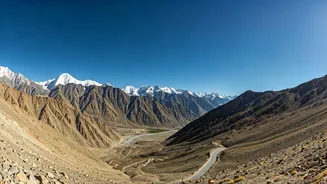
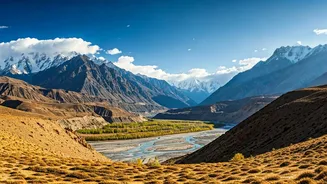
When you think of a rain-shadow paradise, Ladakh is the first name that comes to mind. While the rest of the country deals with downpours from July to September, Ladakh enjoys pleasant daytime temperatures, often ranging from 20 to 30 degrees Celsius. This makes it the ideal time to explore its otherworldly landscapes. All major attractions, from the shimmering Pangong Tso to the dramatic Nubra Valley with its sand dunes, remain wide open and accessible. The skies are often a brilliant blue, offering stunning contrasts with the barren, colourful mountains. Monasteries perched on hilltops, such as Thiksey and Hemis, are less crowded than in the peak tourist month of June, offering a more serene spiritual experience. While the highways leading to Ladakh can be susceptible to rain-related blockages, flying directly into Leh bypasses this issue, making for a seamless escape.
Lahaul & Spiti: A World Within a World
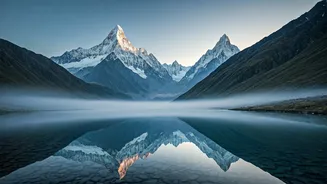
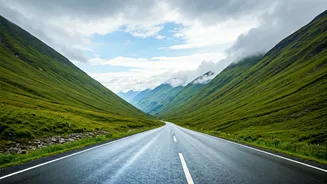
Often considered a more rugged and remote alternative to Ladakh, the valleys of Lahaul and Spiti in Himachal Pradesh are another prime rain-shadow destination. Spiti Valley, in particular, is a high-altitude desert that receives minimal rainfall, making it a fantastic monsoon option. The journey itself is an adventure, with breathtaking views of stark mountains and deep gorges. During monsoon, the otherwise barren landscape can be dotted with patches of green and wildflowers, creating a unique and beautiful contrast. This is the best time to visit iconic sites like the cliffside Key Monastery, the ancient Tabo Monastery, and the stunningly beautiful Chandratal Lake, also known as the Moon Lake. The roads here are challenging, but for those willing to brave them, the reward is an unparalleled sense of solitude and adventure in a land that time seems to have forgotten.
Planning Your Rain-Shadow Trip
A trip to these high-altitude regions requires careful planning, especially during the monsoon season. Acclimatisation is key. Both Leh and Kaza (the main town in Spiti) are at high altitudes, and spending at least 48 hours resting upon arrival is crucial to avoid altitude sickness. While the destinations themselves are dry, the approach roads from Manali or Srinagar can face landslides. It's wise to build extra buffer days into your itinerary for any potential delays. If travelling to Spiti, the route via Shimla and Kinnaur is generally considered more stable during monsoon than the road from Manali. For Ladakh, flying into Leh is the most reliable option. Pack in layers, as temperatures can vary significantly between the sunny days and chilly nights. Include light woollens, a windproof jacket, and a waterproof layer just in case of a rare, brief shower.