


The Mithai Renaissance
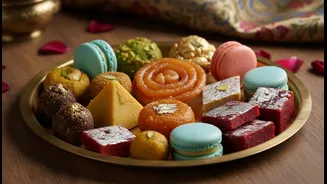
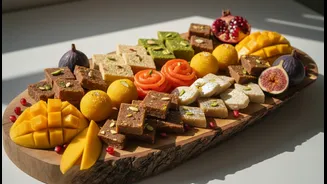
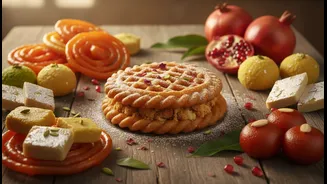
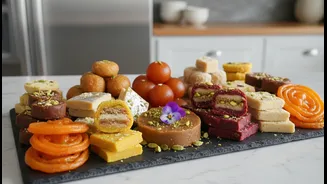
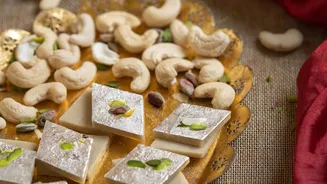
For generations, Indian mithai has been a beloved constant, a sweet symbol of celebration rooted in tradition. From the syrupy delight of gulab jamun to the dense richness of barfi, these sweets are edible heirlooms. Recently, however, a quiet but delicious
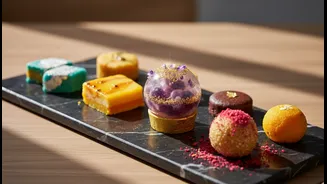
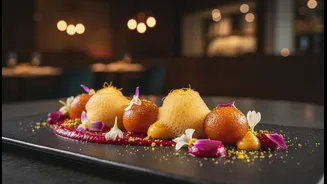
revolution has begun. A new guard of chefs and artisanal sweet makers are looking at these classics not as fixed recipes, but as a foundation for innovation. This isn't about replacing tradition but reimagining it. They are asking what a ladoo or a kaju katli could be if viewed through the lens of modern pastry, leading to a renaissance that is changing how we perceive, taste, and experience Indian sweets. The goal is to build a bridge from the humble halwai's counter to the fine-dining plate, creating a new category of gourmet Indian dessert.
A Revolution in Texture
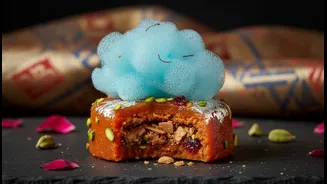
The most significant shift lies in the pursuit of texture, a dimension often secondary in traditional mithai, which typically ranges from chewy and dense to soft and syrupy. Contemporary mithai makers are introducing a whole new vocabulary of mouthfeel. Imagine a Mysore pak that isn't just a sweet block of besan and ghee but incorporates a corn crumble for a surprising crunch. Think of a light, airy foam infused with the flavour of mango shrikhand topping a crisp waffle, or a besan truffle with a smooth, melt-in-your-mouth ganache centre. Chefs are employing global techniques—creating mousses, pralines, ganaches, and compotes—to deconstruct and then rebuild familiar sweets. This focus on contrasting textures, like pairing a creamy panna cotta with a crunchy cardamom-pistachio crumb, makes each bite a more dynamic and memorable experience.
Familiar Flavours, Fearless Combinations
While the textures are new, the soul of these sweets remains deeply Indian. The classic flavour profiles of cardamom, saffron, rose, and pistachio are still the heroes. The innovation comes from how these familiar notes are paired with unexpected ingredients. Brands like Bombay Sweet Shop have become celebrated for their fearless combinations, wedding traditional mithai with elements like coffee, dark chocolate, and even dulce de leche. Other creators are infusing sweets with everything from lavender and matcha to tiramisu and mojito-inspired flavours. These fusions work because they respect the original flavour while adding a layer of novelty. A kaju katli might be reimagined as a kaju marzipan bonbon with a dark chocolate coating, or a tender coconut ice cream might get a surprising kick from Naga chilli. It’s a delicate balance of nostalgia and surprise.
The New Mithai Makers
This movement is being driven by a host of innovative, chef-led brands that treat mithai with the same reverence as fine patisserie. Names like Arq, Nihira, and Gur Chini have gained prominence for their artisanal approach, using high-quality natural ingredients and eliminating artificial additives. Arq is known for its artistic creations that look as refined as they taste, such as their caramel pedha and besan truffles. Bombay Sweet Shop, from the team behind acclaimed restaurants like The Bombay Canteen, has been a key player in popularising modern mithai, focusing on playful re-creations that are both comforting and new. Many of these brands are also catering to a more health-conscious consumer, offering vegan options or using natural sweeteners like jaggery and dates instead of refined sugar.
More Than Just a Sweet
The rise of contemporary mithai is more than just a food trend; it's a cultural statement. It reflects a growing confidence in Indian culinary traditions and a desire to see them evolve. For years, the premium dessert space in India was dominated by Western imports like cakes, pastries, and macarons. This new wave is reclaiming that space, positioning Indian sweets as gourmet products worthy of luxury status. It appeals to a younger, globalised generation that craves innovation but still holds a strong emotional connection to the flavours they grew up with. By transforming mithai into an experience that is visually stunning, texturally complex, and creatively flavoured, these chefs are ensuring that India’s sweet traditions have a vibrant and exciting future.