





The Common Kitchen Frustration
We’ve all been there. You buy a fresh, beautiful bunch of palak (spinach), methi (fenugreek leaves), or dhania (coriander) for your favourite dish. You wash it, chop it, and toss it into the pan, expecting a beautiful burst of green. But as it cooks,
the vibrant colour slowly fades, leaving you with a dish that tastes great but looks lacklustre. This colour loss happens to all green vegetables, from green beans to broccoli. The culprit is the breakdown of chlorophyll, the very pigment that gives these vegetables their healthy-looking, brilliant green hue.
The Science Behind the Colour Change
The vibrant green in vegetables comes from a molecule called chlorophyll. This molecule is sensitive, especially to heat and acids. When you cook green vegetables, two things happen. First, the heat causes the plant's cell walls to break down. This breakdown releases natural acids that were previously kept separate from the chlorophyll. When these acids come into contact with the chlorophyll, they trigger a chemical reaction that changes its structure, transforming it into a molecule called pheophytin, which has a dull, olive-green colour. The longer you cook the vegetables, the more chlorophyll is transformed and the duller the colour becomes.
Your Secret Weapon: A Squeeze of Lemon
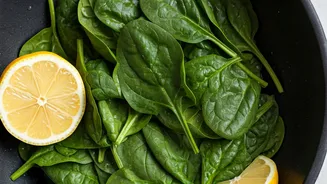
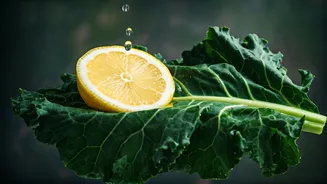
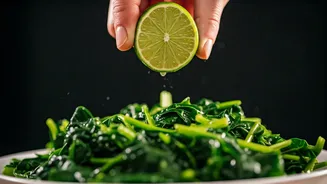
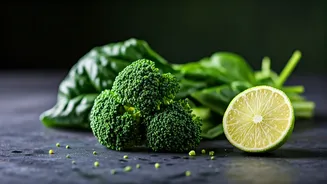
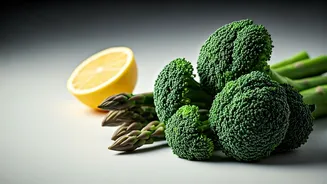
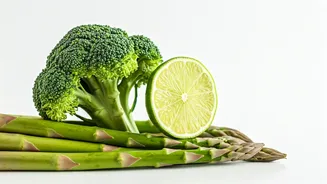
Here's where the hack comes in. It seems counterintuitive to add an acid like lemon juice to combat a problem caused by acid, but it's all about timing and technique. While adding acid early in the cooking process can speed up the discolouration, adding it at the right moment can actually help. A squeeze of lemon juice added right at the end of cooking brightens the flavour and can help preserve the colour that remains. For preserving greens before cooking, a lemon juice and water bath can be effective. The ascorbic acid (Vitamin C) in lemon juice is an antioxidant that can help prevent the enzymatic browning process before the greens even hit the heat.
How to Use the Lemon Hack Effectively
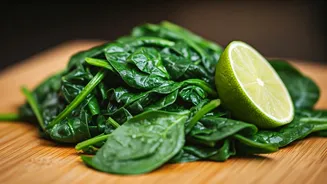
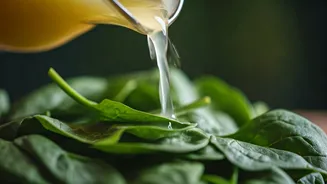
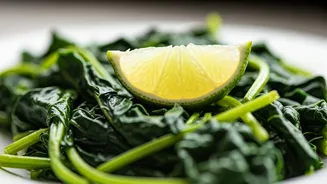
This trick is best used in two ways: for storing and for finishing a dish. To help keep leafy greens fresh in your refrigerator, you can rinse them and then soak them in a bowl of cold water with a squeeze of lemon juice for about ten minutes. Afterwards, dry them thoroughly—excess moisture is the enemy of fresh greens—by using a salad spinner or patting them dry with a clean kitchen towel before storing. When cooking, prepare your greens as usual. Whether you're making a palak paneer, a saag, or a simple stir-fry, cook the greens until they are almost done. Then, turn off the heat and add a fresh squeeze of lemon juice just before serving. This adds a bright, fresh flavour that cuts through richness and helps the final colour pop.
More Tips for Greener Greens
Lemon juice is a great tool, but for the best results, combine it with other techniques. One of the most effective methods is blanching. This involves cooking the vegetables in a large pot of boiling, salted water for a very short time—often just 30-60 seconds—and then immediately plunging them into a bowl of ice water. This process, known as 'shocking', stops the cooking process instantly, locking in the bright green colour. The boiling water helps to denature the enzymes that cause discolouration, and the large volume of water dilutes the vegetable's natural acids. Also, avoid covering your pot when boiling greens, as this traps the volatile acids, allowing them to fall back onto the vegetables and dull their colour.