



The Problem with 'Wet' Batteries
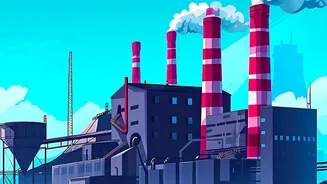
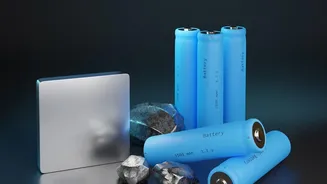
For decades, manufacturing lithium-ion batteries has been a messy and energy-intensive affair. The conventional method is known as 'wet coating'. In this process, active battery materials like lithium, nickel, and graphite are mixed with binders and a toxic
liquid solvent to create a thick, soup-like slurry. This slurry is then carefully painted onto thin sheets of metal foil—the electrodes—which are then baked in massive, industrial ovens that can be hundreds of feet long. This drying phase is crucial to evaporate the solvent, but it creates a huge bottleneck. The process is slow, consumes enormous amounts of electricity, takes up a vast amount of factory space, and requires complex systems to safely handle and recover the hazardous solvents. This complexity and energy usage account for a significant portion of a battery cell's total cost.
Enter the 'Dry Coating' Revolution
The dry coating process flips the script entirely. Instead of a liquid slurry, it starts with a dry powder mixture of the active materials and a special binder. This powder is then directly pressed or rolled into a thin film and laminated onto the metal foil electrodes, completely bypassing the need for liquid solvents and the colossal drying ovens. The concept isn't entirely new; Tesla has famously been pursuing this 'holy grail' of battery tech since acquiring Maxwell Technologies in 2019, recognizing its revolutionary potential. By eliminating the wet and messy parts of the process, dry coating promises to drastically streamline battery production, making it faster, cheaper, and much cleaner.
Japan's Push for Mass Production
While Tesla has been a vocal proponent, Japanese automakers, including industry giant Toyota, are now making significant strides to industrialize this technology for the mass market. Toyota, known for its methodical production prowess, has identified the technology as key to its next generation of batteries. The company aims to drastically change the current reality where batteries are too big, heavy, and expensive. By integrating dry coating techniques, automakers can shrink the factory footprint, reduce the capital investment needed for new plants, and accelerate production speeds. This move is part of a broader strategy by Japanese industry players to regain a competitive edge in the EV market, focusing on manufacturing innovation rather than just battery chemistry alone. Their goal is to make the technology practical and scalable, potentially perfecting it for high-volume, affordable electric vehicles.
The Game-Changing Benefits
The implications of successfully scaling dry coating are immense. The most immediate benefit is cost reduction. By eliminating the huge ovens, energy consumption during electrode manufacturing can be slashed by over 75%, contributing to a significant drop in the overall cost of a battery cell. Secondly, it speeds everything up. Without the drying bottleneck, production lines can run faster, increasing throughput and helping automakers meet the soaring demand for EVs. The environmental advantages are also clear: the process eliminates the use of toxic solvents like NMP (N-methyl-2-pyrrolidone), which is a major win for sustainability and factory worker safety. Furthermore, the technology may even lead to better batteries with higher energy density and a longer lifespan, as it allows for the creation of thicker electrodes without the structural defects that can occur during the wet drying process.