






The open road, a great playlist, and a bag of your favourite chips. It’s the classic road trip formula, but it often ends with bloating and discomfort. What is it about these convenient snacks that seems to turn against us in the car?
The Anatomy of a Processed Snack
First, let's define
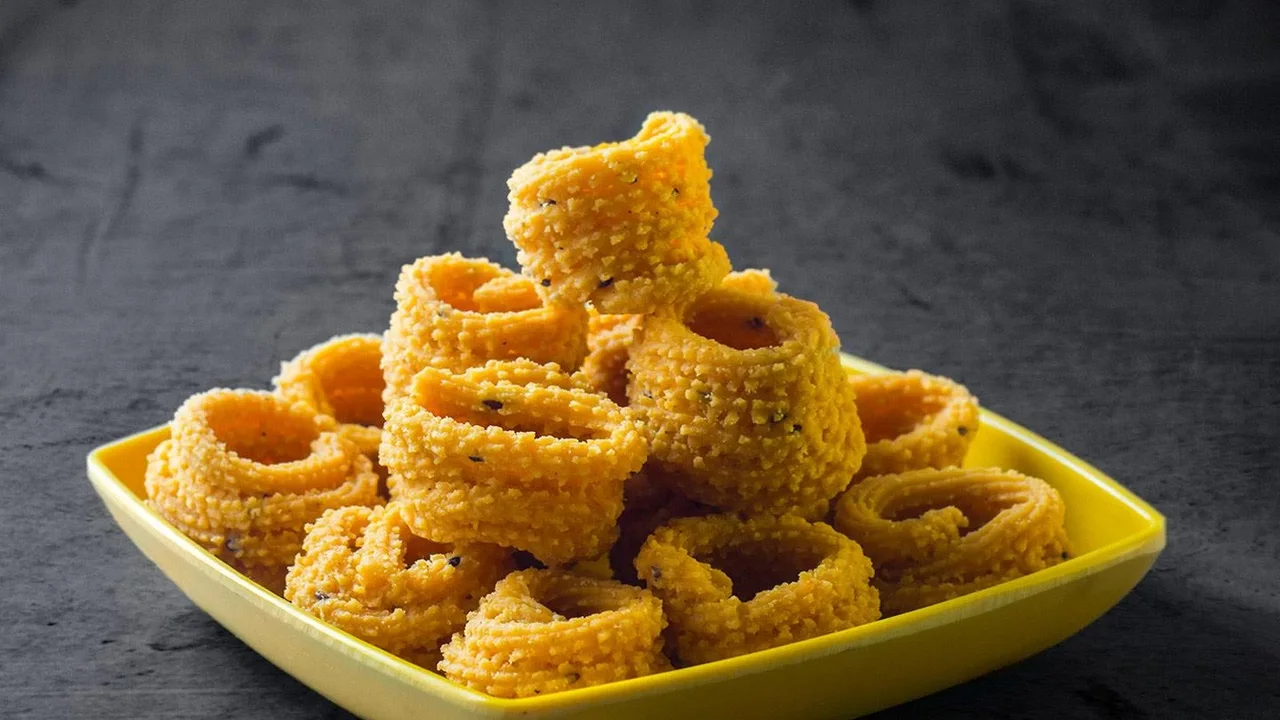
our terms. When we talk about 'highly processed' or 'ultra-processed' foods, we're referring to industrial creations made with ingredients you wouldn't typically find in a home kitchen. Think chips, packaged cakes, instant noodles, and sugary drinks. These products are engineered for long shelf life and intense flavour. They achieve this by using high levels of added sugar, salt, and unhealthy fats, while stripping out beneficial nutrients like fibre. This combination makes them easy to overeat but hard for your body to handle, especially when you’re inactive.
The Salt, Sugar, and Fat Overload
One of the biggest culprits in road trip discomfort is sodium. Highly processed snacks are loaded with it, and excess salt makes your body retain water, leading directly to that dreaded bloated feeling. A study published by the National Institutes of Health confirmed that high sodium intake significantly increases the risk of bloating. Meanwhile, the high sugar content and refined carbohydrates in these snacks can cause rapid spikes and crashes in blood sugar, leaving you feeling sluggish. Greasy and high-fat foods can also slow down the rate at which your stomach empties, contributing to feelings of uncomfortable fullness and indigestion.
The Fibre-Deficient Dilemma
Fibre is essential for a healthy digestive system; it keeps things moving smoothly and prevents constipation. Unfortunately, ultra-processed snacks are almost entirely devoid of it. A diet low in fibre is a well-known cause of digestive slowdown. This lack of 'roughage' becomes a much bigger problem when you're sitting for hours on end, which is a key part of any extended road trip.
The Road Trip 'Sitting' Factor
The act of travelling itself creates a perfect storm for digestive trouble. Your digestive system is designed for a body in motion. Physical activity helps stimulate peristalsis—the muscular contractions that move food through your gut. When you sit for prolonged periods in a car, train, or plane, your digestion naturally slows down. This inactivity, combined with the low-fibre, high-salt, high-sugar snacks, means food sits in your gut longer, leading to gas, bloating, and constipation. Being in a slouched or compressed sitting posture can further impede digestion and trap gas.
Disrupting Your Gut's Ecosystem
Beyond the immediate discomfort, there's a longerer term issue at play. A diet high in ultra processed foods can negatively alter your gut microbiome—the community of trillions of bacteria living in your digestive tract. These foods tend to reduce the diversity of good bacteria while feeding pro inflammatory microorganisms. Additives like emulsifiers and artificial sweeteners found in many of these products can also irritate the gut lining and contribute to inflammation. While an occasional indulgence won't cause lasting harm, a consistent diet of these snacks can compromise your overall gut health.
Smarter Snacking for a Smoother Journey
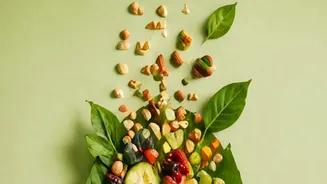
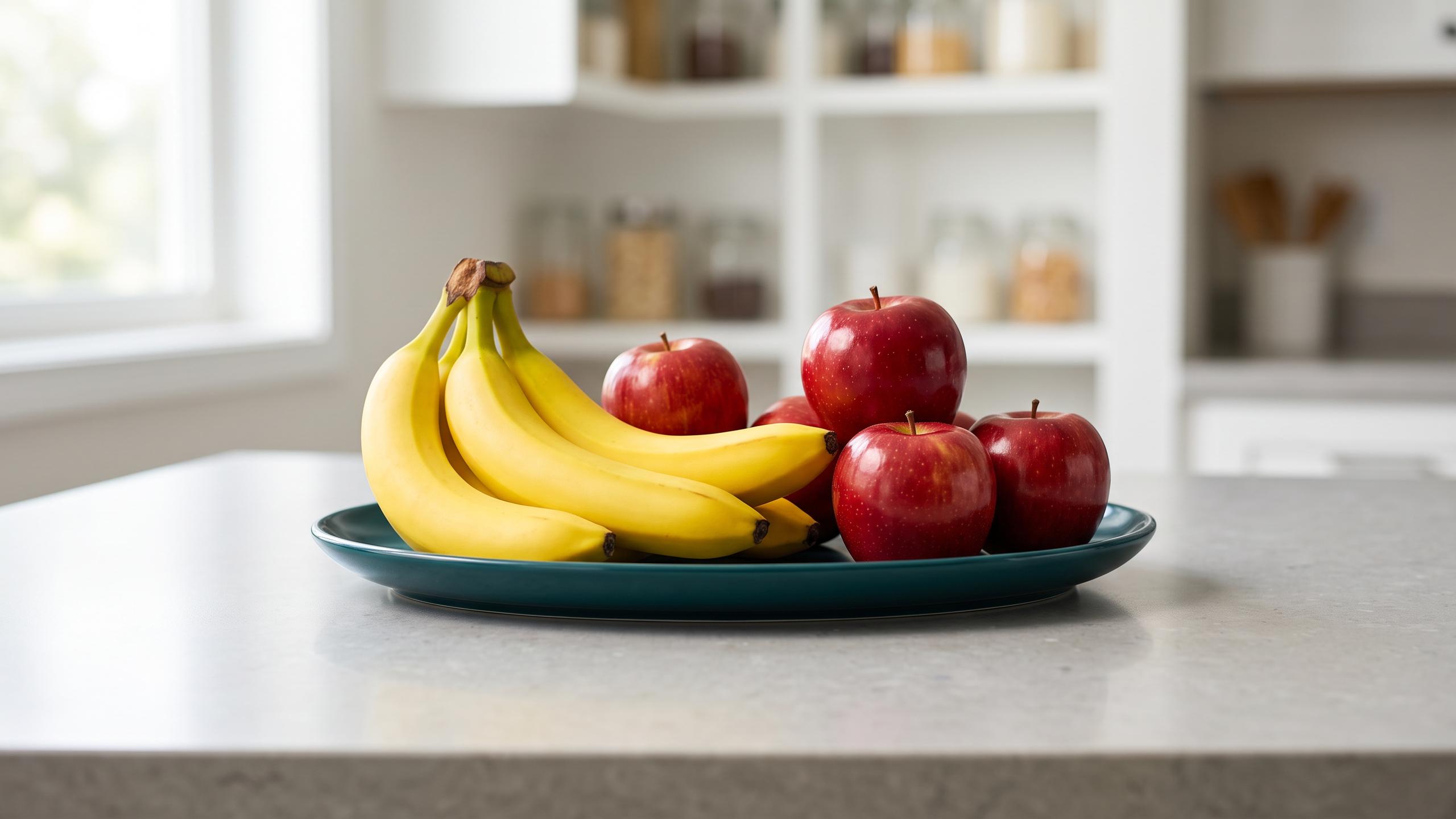
The solution isn't to go hungry, but to snack smarter. With a little planning, you can pack foods that fuel your body and keep your gut happy. Focus on options that provide fibre, protein, and healthy fats. Good choices include fresh fruits like apples and bananas, pre cut vegetables with hummus, unsalted nuts and seeds, and whole grain crackers. Hard boiled eggs, string cheese, and yogurt cups (if you have a cooler) are great protein sources that promote satiety. Even air popped popcorn is a good whole grain alternative for when you crave something crunchy. These whole foods support digestion instead of hindering it, ensuring you arrive at your destination feeling energized and comfortable.