





The Rise of the AI Email Assistant
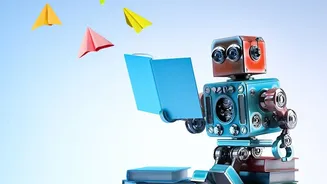
Artificial intelligence for email isn't new, but recent advancements have transformed these tools from simple grammar checkers into sophisticated co-writers. Modern AI email assistants are designed to automate and streamline the entire email process.
They integrate into platforms like Gmail and Outlook, helping users draft replies, summarize long threads, and organize their inboxes. The core benefit is a massive boost in productivity. By handling repetitive drafting tasks, these tools free up professionals to focus on more complex, strategic work that requires a human touch. Think of it as an assistant that prepares the first version of a response, allowing you to simply review, edit, and send.
From Generic to Genuine: Capturing Your Voice
The biggest leap forward is the ability of these tools to adopt a user's personal voice. Early AI-generated text was often criticized for its robotic and formulaic tone. Today’s advanced platforms use several methods to sound more like you. Many tools can analyze your previously sent emails to learn your unique style—your typical greetings and sign-offs, your sentence structure, and the specific phrases you use. Some tools allow you to build a 'Brand Voice' or 'voice profile' by feeding them style guides and other documents. By understanding your patterns, the AI can generate drafts that are not only contextually relevant but also stylistically consistent with your authentic way of communicating.
The Benefits Beyond Speed
While saving time is a major advantage, the benefits of using a voice-personalized AI drafter run deeper. One key area is consistency. For client-facing roles, ensuring all communication maintains a consistent tone and quality is crucial for building brand identity and trust. These tools can act as a quality control layer, polishing messages for clarity and professionalism, which is especially helpful on busy days. They also enhance accuracy by reducing human error and can suggest better phrasing to make your point more effectively. For teams, this means a more standardized yet personalized approach to communication, improving everything from customer satisfaction to internal workflows.
The Pitfalls of Over-Automation
Despite their power, these tools come with risks. A major concern is the loss of the human element. AI models don't truly understand emotion or nuance; they recognize patterns. Relying too heavily on AI can lead to messages that, while polished, feel impersonal and may overlook the subtle emotional undercurrents of a conversation. There's also the risk of identical-sounding emails circulating within a company if everyone uses the same tool without personalization. Furthermore, data privacy is a significant consideration, as these tools often need access to your inbox to learn your style. Users must be mindful that AI can misunderstand context or even generate factually incorrect information that sounds convincing.
Best Practices for Authentic AI Assistance
To get the most out of AI email generators without losing your authentic voice, it's crucial to treat them as an assistant, not a replacement. Always think of the AI's output as a first draft. Before sending, review and edit the text to add personal touches and ensure it aligns perfectly with the situation's nuance. Provide clear and specific prompts to guide the AI. Instead of a vague request, give it context about the recipient, your goal, and the desired tone. Finally, be selective. For highly sensitive, complex, or relationship-building conversations, drafting the message yourself is often still the best approach. The goal is to augment your communication, not abdicate responsibility for it.