





The Science Behind the Shells
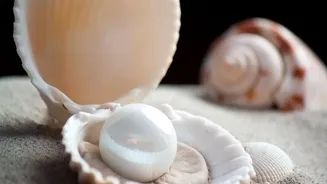
Musty smells are often the result of excess moisture, which can lead to mould and mildew growth. The power of shells, both from eggs and the sea, lies in their composition and structure. They are primarily made of calcium carbonate, a compound that has
the ability to absorb moisture. A scientific study on waste eggshells confirmed their capacity to adsorb humidity from the air. Their porous nature provides a large surface area, allowing them to trap not only water vapour but also the airborne particles that cause unpleasant odours. While they won't solve a serious mould infestation, which requires professional attention, they are an excellent preventative measure for managing everyday dampness in enclosed spaces.
How to Prepare Shells for Use
Proper preparation is key to turning kitchen scraps and beach souvenirs into effective deodorisers. Shells must be completely clean and dry to work. For eggshells, rinse them thoroughly to remove any remaining egg white, which can rot and cause odours. To sterilise and dry them, you can boil them for about 15 minutes or bake them on a tray in the oven at a low temperature (around 90-100°C) for 20 minutes. For seashells, if they have any organic matter inside, boil them and pick it out. Then, soak them in a diluted bleach solution (one part bleach to nine parts water) for a few hours to clean and deodorise them before rinsing thoroughly and allowing them to dry completely in the sun or a warm oven.
Strategic Placement for a Fresher Home
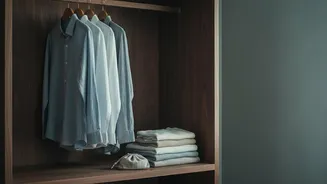
Once your shells are prepared, they can be deployed around the house. Crushing them slightly increases their surface area and effectiveness. Place small bowls or breathable muslin bags filled with crushed shells in areas prone to dampness and odours. Think inside wardrobes, kitchen and bathroom cabinets, under the sink, in musty basements, or even inside smelly gym shoes. A small bowl in the refrigerator can help absorb strong food smells, much like an open box of baking soda. For a decorative touch, whole seashells can be placed in a bowl in a bathroom or on a windowsill, where they will subtly help manage humidity.
Refreshing Your Supply
The absorbent capacity of shells is not infinite. Over time, they will become saturated with moisture and odours, losing their effectiveness. You will need to replace them every few weeks to a month, depending on the level of humidity and odour in the area. The good news is that old shells don't need to go in the bin. Crushed eggshells and seashells are a fantastic addition to garden soil or compost. Their high calcium carbonate content helps to enrich the soil, balance pH levels, and can even deter some pests like slugs and snails due to their sharp texture. This makes them a zero-waste solution for both home and garden.
Other Natural Odour and Moisture Absorbers
Shells are part of a family of natural materials that can help maintain a fresh home environment. If you don't have shells on hand, other common household items work on similar principles. Baking soda is a well-known odour neutraliser, effective in refrigerators and on carpets. Activated charcoal is another powerful adsorbent, widely used in air purifiers to trap VOCs and other odour-causing compounds. Even used coffee grounds can absorb smells, though they should be replaced often to prevent them from getting mouldy themselves. Creating small sachets with these materials offers a similar, natural approach to tackling unwanted household scents.