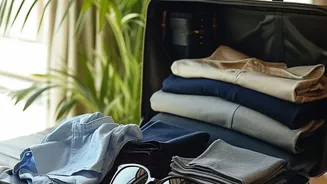






What Are Travel Vacuum Bags?
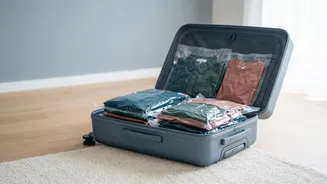
Travel vacuum bags are essentially airtight plastic bags designed to compress soft and bulky items. By placing your clothes inside, sealing the bag, and then removing the air—either by rolling the bag, pressing it, or using a small pump—you can dramatically
reduce the volume of your clothing. The core idea is simple: most of the space in a pile of clothes is just trapped air. Removing that air makes items like puffer jackets, woollen sweaters, and towels shrink into a dense, flat, and much smaller package, freeing up significant real estate inside your suitcase.
The Big Catch: Volume vs. Weight
This is the single most important thing to understand: vacuum bags reduce volume, not weight. While your fluffy winter jacket might shrink to the size of a book, it still weighs the same. The laws of physics are non-negotiable. This is critical for travellers facing the strict 7kg carry-on limits common on many Indian domestic and international budget carriers. Packing more items into your bag because you have the space makes it incredibly easy to exceed the weight allowance, which can lead to hefty fees at the gate. A smaller, denser bag is still subject to the same number on the scale.
When Vacuum Bags Are a Traveller's Best Friend
Despite the weight issue, vacuum bags are brilliant when used strategically. Their biggest advantage is taming bulky items. Think of that one essential but space-hogging puffer jacket for a mountain trip, or a couple of heavy sweaters. Compressing these specific items can free up enough space for the rest of your essentials. They are also fantastic for organisation and protection. Sealing clothes in these bags protects them from spills, moisture, and odours in your luggage. Many travellers also use a spare bag to quarantine dirty laundry on the trip home, keeping it separate from clean clothes.
The Downsides and Potential Pitfalls
Vacuum bags are not without their drawbacks. The most common complaint is wrinkles. Extreme compression can lead to deep-set creases, especially in fabrics that are prone to wrinkling. It's best to avoid using them for delicate materials like silk or structured items like blazers. Another issue is the need for a pump. While some bags are the roll-up type, they often provide less compression. Bags that require a pump deliver the best results, but you have to remember to pack the pump for your return journey. Some modern kits come with small, USB-rechargeable pumps, which are very convenient.
How to Use Vacuum Bags Smartly
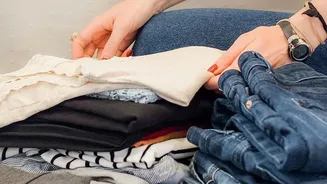
To make vacuum bags work for your 7kg limit, not against it, follow a smart strategy. Don't try to compress everything. Instead, identify the 2-3 bulkiest items in your bag and target those. Fold clothes neatly before placing them in the bag to minimise wrinkles. Don't overfill the bags; stop at the indicated fill line to ensure a proper seal. Most importantly, after you've packed, weigh your entire carry-on bag. A portable luggage scale is a wise investment for any frequent flyer. If you are overweight, you’ll have to rethink what you've packed, not just how you've compressed it. Remember, airlines weigh the bag, not you, so wear your heaviest shoes and jacket on the plane to save weight in your luggage.