






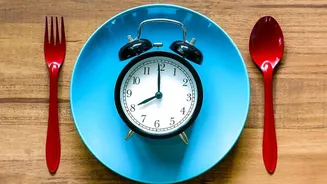
Your Body's Internal Clock
Every cell in your body operates on a 24-hour cycle known as the circadian rhythm. This internal clock, primarily synced by light and darkness, governs everything from your energy levels to hormone release and, crucially, your metabolism. Your digestive
system isn't designed to be working at full capacity around the clock. During daylight hours, your body is primed to efficiently process food for energy. As evening approaches, your metabolism naturally begins to slow down, preparing for a period of rest and repair during sleep. Eating late at night essentially forces your digestive organs to work overtime when they are biologically programmed to be winding down, creating a conflict between your meal schedule and your body's natural rhythm.
The Link to Nighttime Fat Burning
One of the most significant benefits of an earlier dinner is its effect on your metabolism and fat storage. When you eat, your body releases insulin to help process the glucose from carbohydrates. Eating late in the evening can lead to higher blood sugar and insulin levels right before bed. This signals your body to store energy rather than burn it. By finishing your last meal several hours before sleep, you give your blood sugar and insulin levels time to fall. This allows your body to more easily switch from burning glucose for fuel to burning stored fat overnight. Studies have shown that late eaters can have peak blood sugar levels almost 20% higher and a notable decrease in fat burning compared to those who eat earlier. This extended overnight fasting window also promotes 'metabolic flexibility', which is your body’s ability to efficiently switch between fuel sources.
Why Deeper Sleep Follows an Early Meal
If you've ever felt restless after a late, heavy meal, you've experienced the direct link between digestion and sleep quality. The digestive process itself generates heat, a phenomenon known as diet-induced thermogenesis. This can raise your core body temperature just as it's supposed to be dropping to initiate sleep. Furthermore, lying down with a full stomach can increase the risk of acid reflux and indigestion, leading to discomfort and micro-arousals that fragment your sleep. Eating earlier allows the bulk of digestion to be completed before you lie down, preventing these disruptions. Research shows that late eating can compress the time you spend in deep sleep, the most restorative phase where your body handles tissue repair and immune function. By avoiding late meals, you allow your body to focus on recovery, not digestion, leading to a more refreshing night's sleep.
What Does 'Early' Actually Mean?
There isn't a single magic time that works for everyone, but the general consensus from experts is to create a significant window between your last bite and your bedtime. The most common recommendation is to finish eating at least three to four hours before you go to sleep. For someone who goes to bed at 11 PM, this would mean finishing dinner by 7 or 8 PM. This gap is more important than the specific time on the clock. It provides your system with enough time to lower blood sugar, clear the stomach, and begin winding down metabolically. The key is consistency. Aligning your meals with your body's natural circadian rhythm on a regular basis helps regulate both your sleep clock and your food clock, leading to better sleep and overall health.
Simple Tips to Shift Your Dinner Time
For those accustomed to late dinners, shifting the schedule can feel daunting. The key is to make gradual, sustainable changes. Start by moving your dinner time 15-30 minutes earlier each week. Prioritise your nutrition earlier in the day with a protein-rich breakfast and a substantial lunch; this can naturally reduce hunger in the evening. If a late night is unavoidable, opt for a lighter meal focused on protein and vegetables, avoiding heavy fats and refined carbohydrates that are harder to digest. Even a short, 10-to-20-minute walk after your meal can aid digestion and help manage blood sugar levels. The goal isn't perfection but consistency. Honouring your body's natural rhythm most nights is a powerful step towards better health, proving that sometimes when you eat is just as important as what you eat.