






Your Ultimate Low-Maintenance Companion
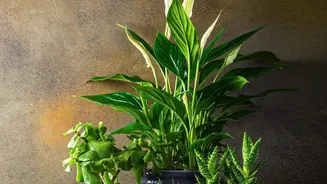
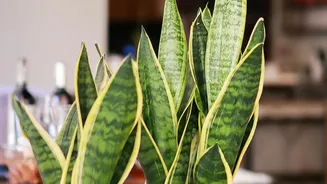
The Snake Plant, also known as Sansevieria or mother-in-law's tongue, is the champion of resilient houseplants. Its stiff, architectural leaves shoot upwards, adding a modern touch to any desk without taking up much space. For a student, its biggest selling
point is its incredible tolerance for neglect. Snake Plants are accustomed to dry conditions and store water in their leaves, meaning they can go for weeks without watering. In fact, the most common mistake is overwatering them. Simply let the soil dry out completely before giving it another drink, which might be only once every two to three weeks, and even less in winter.
Thriving in Any Corner
Worried about not having a sunny window? The Snake Plant is highly adaptable to different light conditions. While it prefers bright, indirect light, it will happily survive in low-light corners or under the artificial light of a study lamp, it just might not grow as fast. This makes it a perfect fit for less-than-ideal dorm room setups. It’s a plant that doesn’t ask for much, surviving a wide range of temperatures and humidity levels, making it one of the easiest and most forgiving plants for a first-time plant owner.
The Fast-Growing and Forgiving Vine
If you want something with a bit more of a flowing, decorative feel, the Pothos (often called Money Plant in India) is an excellent choice. Known for its heart-shaped leaves and trailing vines, Pothos can be left to cascade down a bookshelf or trained to climb around a window frame. It grows quickly, giving you a rewarding sense of progress. Much like the Snake Plant, Pothos is very forgiving. It communicates its needs clearly; its leaves will start to droop slightly when it's thirsty. Just water it when the top inch or two of soil feels dry, typically every one to two weeks.
Aesthetic and Adaptable Greenery
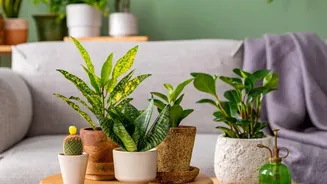
Pothos is also flexible when it comes to light. It does best in medium to bright indirect light but can easily tolerate lower light levels. The only thing to avoid is harsh, direct sunlight, which can scorch its leaves. Its resilience makes it another top contender for students who might be too busy to stick to a strict care schedule. With its vibrant green foliage, sometimes variegated with white or yellow, it adds a lush, lively feel to a study area that might otherwise feel sterile.
Benefits Beyond Beauty
Having plants around has been shown to offer psychological benefits, such as reducing stress and improving focus. For students facing academic pressure, the simple act of caring for a plant can provide a sense of calm and accomplishment. Studies have shown that the presence of indoor plants can lower stress markers and even enhance attention and productivity—all welcome benefits when you're trying to concentrate on your work. Adding a Snake Plant or Pothos to your desk is an effortless way to bring some of these calming, natural elements into your study environment.
A Note on Air Purification
You may have heard that these plants are amazing air purifiers, a claim popularised by a 1989 NASA study. The study found that certain plants, including Snake Plants, could remove toxins like formaldehyde and benzene from the air in a sealed chamber. While this is true, it's important to have realistic expectations. In a normal, ventilated room, you would need a very large number of plants to significantly impact air quality. While your single desk plant won't replace an air purifier, it is still a healthy, living addition to your space. The primary benefits for a student are the visual appeal and the proven psychological boost that comes from being around greenery.