



The Deal That Wasn't
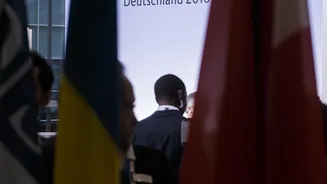
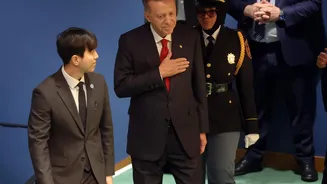
The annual Conference of the Parties (COP) brings nearly 200 nations together to negotiate global climate policy. This year's main goal was to secure an overarching political agreement, dubbed the 'Antalya Pact', that would build on previous commitments
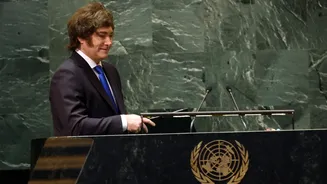
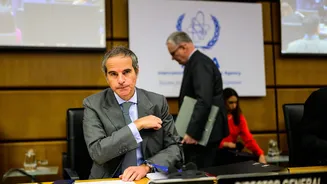
to tackle climate change. However, the talks, which became the longest in UN climate history, broke down in the final hours. A coalition of nations, including the European Union and the UK, formally rejected a final draft text because it contained no direct mention of transitioning away from coal, oil, and natural gas. Irish Environment Minister Darragh O'Brien, speaking for the EU, called a deal that omits fossil fuels 'unconscionable', arguing that no deal was better than a bad one that failed to address the primary driver of climate change.
A Familiar Divide: Ambition vs. Economics
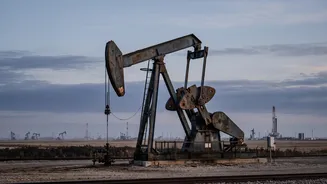
The central conflict at COP31 was a familiar one, pitting climate ambition against economic dependency. A progressive coalition of around 130 countries, including climate-vulnerable island states like Panama and Tuvalu, pushed hard for language explicitly calling for a 'transition away from fossil fuels'. They argued that without tackling the root cause of warming, any agreement would be meaningless. On the other side, major oil and gas-producing nations, reportedly including Saudi Arabia and Russia, resisted this language, seeking to protect their economies. This fundamental disagreement created an unbridgeable divide that even the Australian and Turkish co-presidents could not overcome, leading to the first collapse of talks without a deal since COP15 in Copenhagen in 2009.
India’s Stand: A Call for Equity and Finance
Throughout the negotiations, India positioned itself as a key voice for the Global South, anchoring its stance in the principles of equity and 'Common But Differentiated Responsibilities'. India's delegation, led by Environment Minister Bhupender Yadav, argued that developed nations, which are historically responsible for the bulk of emissions, must lead the way and provide the necessary finance and technology to help developing countries transition. Climate finance was a major sticking point for many developing nations, which are grappling with the dual burdens of development and increasingly severe climate impacts. India argued that ambition on cutting emissions must be matched with concrete financial support for adaptation and a just transition, a position that found broad support among developing country blocs like the G77 and BASIC.
Were There Any Silver Linings?
While the failure to secure the main political pact is a significant blow, the summit was not a total loss. Progress was made on several other fronts. Agreements were reached on separate work programmes concerning 'just transition' pathways—ensuring the shift to green economies is fair to workers—and on goals for climate adaptation. Furthermore, a voluntary electrification initiative championed by the Turkish presidency gained traction, with over 150 countries and hundreds of businesses backing a goal to significantly increase electricity's share in the global energy mix. New funding was also announced for methane reduction and forest protection. These smaller victories show that momentum for climate action continues outside the main negotiating room, even if political consensus on the core issue remains elusive.