







The Tricky Art of the Natural Flush
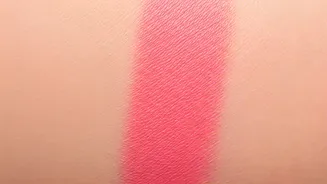
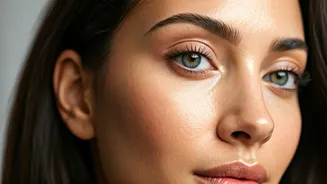
Blush is designed to mimic the natural colour that appears when you’re slightly flushed. Yet, it’s one of the easiest products to get wrong. A heavy hand, the wrong colour, or even poor lighting can turn a healthy glow into something more akin to clown
makeup. The goal is a seamless blend that looks like it’s coming from within your skin. Often, the issue isn’t just about the quantity of blush but also its placement and whether the colour harmonises with your skin tone.
Sign 1: It Looks Obvious in Different Lighting
You might apply your makeup perfectly in your bathroom, only to catch your reflection in a car mirror and see two bright circles on your cheeks. This is a classic sign of over-application, often caused by misleading indoor lighting. Warm, yellow-toned lights can make colours appear duller, causing you to apply more product than needed. Conversely, harsh fluorescent lighting can make you look pale, leading to overcompensation with blush. The best practice is to check your makeup in natural daylight before you head out, as it provides the most accurate reflection of your face.
Sign 2: Your Application Is Patchy or Streaky
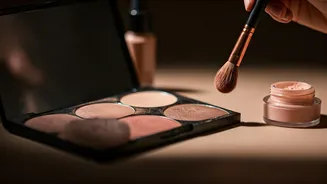
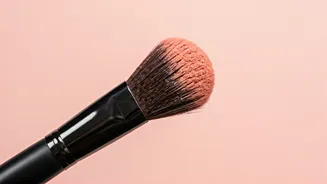
If your blush appears splotchy or leaves harsh lines, the problem might be your technique or tools. Applying powder blush over a still-wet liquid foundation can cause it to grab onto certain spots, resulting in a patchy finish. Similarly, applying a cream blush over a heavily powdered face can disrupt the layers underneath. To avoid this, ensure your base is set with a light dusting of translucent powder before applying powder blush. For cream formulas, it’s best to apply them before any powder products. Using the right brush—typically a fluffy, less dense one for powders—also helps distribute pigment evenly and avoid streaks.
Sign 3: The Shade Doesn't Flatter Your Skin Tone
Even a small amount of the wrong colour can look unnatural. Choosing a blush that complements your skin’s undertone is crucial. A simple way to check your undertone is to look at the veins on your wrist; blue or purple veins suggest a cool undertone, while greenish veins indicate a warm undertone. For fair skin, soft pinks and light peaches work well. Medium skin tones are flattered by mauves and apricot shades. Deeper skin tones shine with rich berries, deep corals, and terracotta hues. A universally flattering option for many is a peach shade, which tends to work across various skin tones.
How to Easily Fix Overdone Blush
If you do find yourself with overly rosy cheeks, don't reach for the makeup remover. For powder blush, take a clean, fluffy brush and gently buff the area to diffuse the colour. You can also apply a light layer of translucent face powder over it to tone down the intensity. For cream or liquid blush, a damp beauty sponge is your best friend. Gently press and stipple the sponge over the area to lift excess product. If needed, you can use the same sponge with a tiny amount of your foundation or concealer to blend over the blush, seamlessly dialling back the colour.
Tips for a Perfect Application Every Time
To prevent over-application from the start, always begin with less product than you think you need and build up slowly. Tapping excess powder off your brush is a simple but effective step. While many are taught to smile and apply blush to the apples of their cheeks, this can sometimes drag the face down once you stop smiling. A more modern, lifting technique is to apply blush starting from the higher part of your cheekbones and blending upwards towards your temples. This creates a more sculpted and lifted appearance. For a natural, sun-kissed effect, a light dusting of blush across the bridge of your nose can tie the whole look together.