







The Unshakeable Reign of Comfort Classics
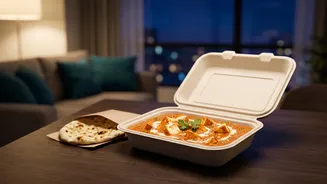
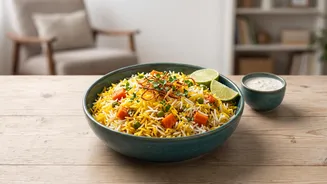
When late-night hunger calls, India overwhelmingly answers with comfort. Across delivery platforms, pizzas and burgers consistently top the charts as the most ordered items after 11 PM. Following closely are perennial favourites like biryani and chicken
rolls. There's a simple reason for this: these dishes are reliable, satisfying, and deliver a powerful sense of reward after a long day. The combination of carbohydrates and fats in foods like pizza triggers the release of dopamine, the brain's feel-good chemical, making it a go-to for stress relief and emotional comfort. This craving isn't just psychological; our internal body clocks can influence our appetite, making us lean towards high-calorie foods as the night wears on. This trend is visible across the country, with major metros like Bengaluru, Hyderabad, and Mumbai leading the charge, but also gaining significant traction in emerging cities like Surat and Patna.
A Cultural Shift: Why We Eat Later
The boom in late-night ordering isn't just about cravings; it reflects a fundamental shift in daily routines, especially among younger consumers. The traditional 9 PM dinner is becoming a thing of the past for many Gen Z and Millennial professionals, who are working later, socialising longer, and simply sleeping later, often not until 2 or 3 AM. This changing lifestyle has doubled late-night delivery volumes in the last year alone. Global events, like the FIFA World Cup, further fuel this trend, with food orders surging during late-night matches. Food delivery and quick-commerce platforms have adapted swiftly, with many restaurants and dark stores now operating until 3 AM or even around the clock to meet this growing demand.
The Rise of the 'Healthy-ish' Midnight Snack
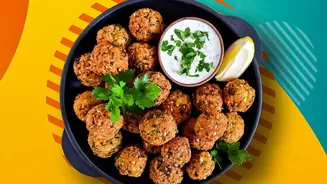
While indulgent foods still rule the night, a strong counter-trend is emerging, driven by a health-conscious Gen Z. This generation prefers smaller, intentional meals and snacks over heavy portions and actively researches nutritional information. This has created a demand for healthier late-night options. Delivery apps are now curating menus with categories like "Healthy Nibbles," featuring grain bowls and salads for professionals working late. Beyond apps, there's a growing market for snacks that offer crunch and flavour without the guilt. Roasted makhana, quinoa puffs, and chickpea-based snacks are becoming popular choices for a satisfying yet light bite. This reflects a desire for balance, where even late-night eating can align with wellness goals.
The Psychology of the Late-Night Order
Often, late-night hunger isn't about physical need but psychological comfort. Feelings of stress, boredom, or loneliness can feel more pronounced at night when daily distractions fade. Ordering food becomes a quick and easy way to soothe these emotions. The act of scrolling through visually appealing food on an app can itself trigger cravings, even if you've already had dinner. Delivery platforms understand this well, often sending push notifications with tempting deals precisely when willpower is at its lowest. The convenience factor is immense; the ability to summon a hot meal in minutes without any effort caters perfectly to our modern demand for instant gratification, turning late-night ordering into a ritual of self-care for many.
Global Tastes and Sweet Endings
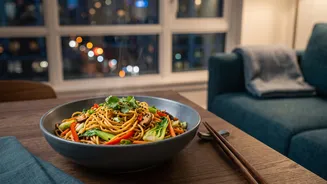
As palates become more global, so do late-night menus. While Indian classics and Western fast food dominate, there's a growing appetite for international flavours. Social media trends play a huge role, with Korean-inspired snacks like instant noodles gaining popularity in urban centres. Sweet cravings also spike after dark. Packaged goods like ice cream see a significant jump in demand, sometimes by as much as 40% during late-night hours. Desserts like choco lava cake and chocolate truffle cake are frequently added to orders, providing a sweet finish to the day. This variety shows that late-night ordering is no longer just about satiating basic hunger, but about exploring diverse tastes and finding the perfect treat to match the mood.